
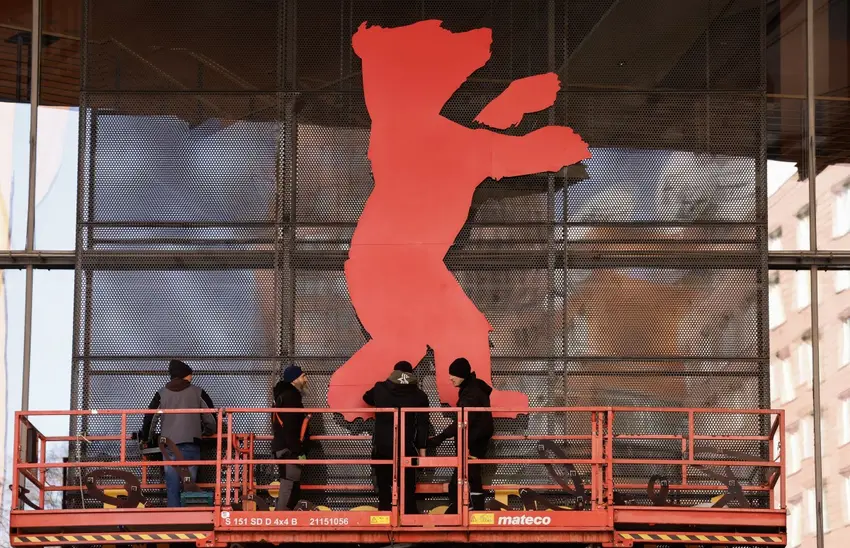
This year, Germany's national election - which polls suggest could see unprecedented gains for the far-right AfD party - falls on the final Sunday of the festival on February 23rd.
The festival's new director Tricia Tuttle said the Berlinale would not "shy away" from current events, but she hoped they would not entirely eclipse the on-screen stories.
"For all festivals and all culture right now, the news agenda can often dominate the discourse," she added as she presented this year's lineup on January 21st.
"But we really hope that the films that audiences are going to see over the next weeks of the festival are going to get people talking about the vibrancy of the art form itself and the films themselves."
'World we live in'
That may be the stated aim, but the opening night on Thursday will pitch the festival firmly into political territory with a film that touches on one of Germany's most sensitive issues - immigration.
"Das Licht" ("The Light") by German director Tom Tykwer features a middle-class German family whose lives are transformed by their mysterious Syrian housekeeper.
The mass arrival of Syrian refugees and other migrants in Germany in 2015-16 has helped fuel support for the AfD, which is forecast to emerge as one of the biggest parties nationally according to polls.
Last year, organisers made headlines by barring five previously invited AfD politicians and telling them they were "not welcome".
"It would be nice if the main talking points were the films that are going to be shown, but I don't think that's the world we live in right now," Scott Roxborough, The Hollywood Reporter's European bureau chief, told AFP.
US President Donald Trump and his radical right-wing agenda are on everyone's minds, he said, as well as AfD-backing Elon Musk and the rise of artificial intelligence.
"There is definitely a general angst around AI in particular in the film industry," Roxborough added.
The selection of films set for Berlin stays true to the festival's mission of showcasing independent arthouse filmmakers from around the world, with a sprinkling of A-listers.
Hollywood director Richard Linklater's latest movie starring Ethan Hawke "Blue Moon" is in official competition, 11 years after Linklater won Berlin's Silver Bear for Best Director for "Boyhood".
South Korean director Bong Joon-ho will present his new film "Mickey 17" with Robert Pattinson out of competition, while British actor Tilda Swinton will receive a lifetime achievement award.
Jessica Chastain, Marion Cotillard and Timothee Chalamet will add some stardust, while the jury is helmed by American director Todd Haynes.
Unacceptable?
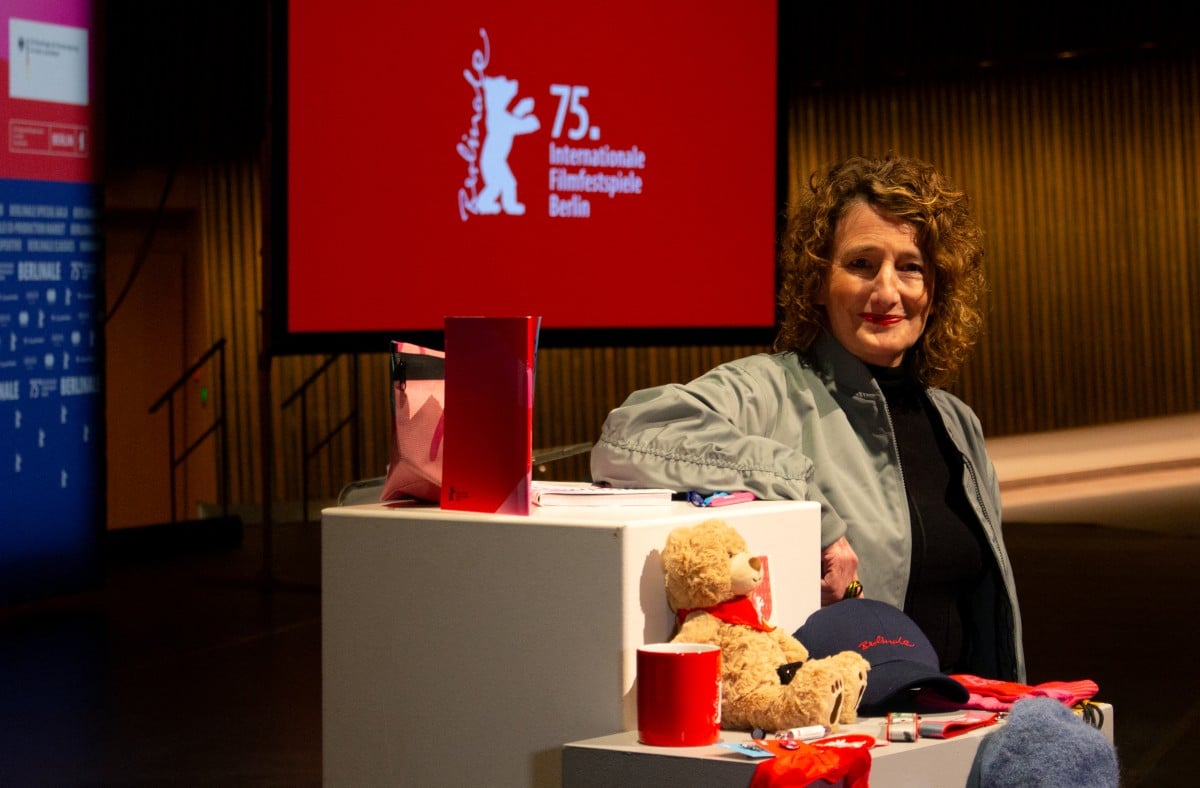
Tuttle took up her job running the Berlinale in April last year, arriving with a reputation burnished by her time as head of the growing London Film Festival.
The American admitted that her first year had been "challenging" following controversy linked to criticism of Israel over its war in Gaza at the awards ceremony in 2024.
US filmmaker Ben Russell, wearing a Palestinian scarf, accused Israel of committing "genocide", while Palestinian filmmaker Basel Adra said the Gaza population was being "massacred".
PODCAST: Germany's Berlinale backlash explained
A spokeswoman for the German government, a staunch ally of Israel, and Berlin's mayor condemned the remarks afterwards as "unacceptable".
Tuttle admitted that the criticism had led some filmmakers to worry about whether they could exercise their right to freedom of expression.
One independent film producer told AFP on condition of anonymity that some directors had decided not to return until they had seen how Tuttle manages the issue.
The 2025 festival is set to screen a new documentary about an Israeli actor taken hostage by Hamas, as well as Claude Lanzmann's monumental 1985 epic on the Holocaust, "Shoah", which is more than nine hours long.
"Berlin has always been a place of big political discussion," Roxborough said.
By Femke COLBORNE and Adam PLOWRIGHT in Paris
Comments