
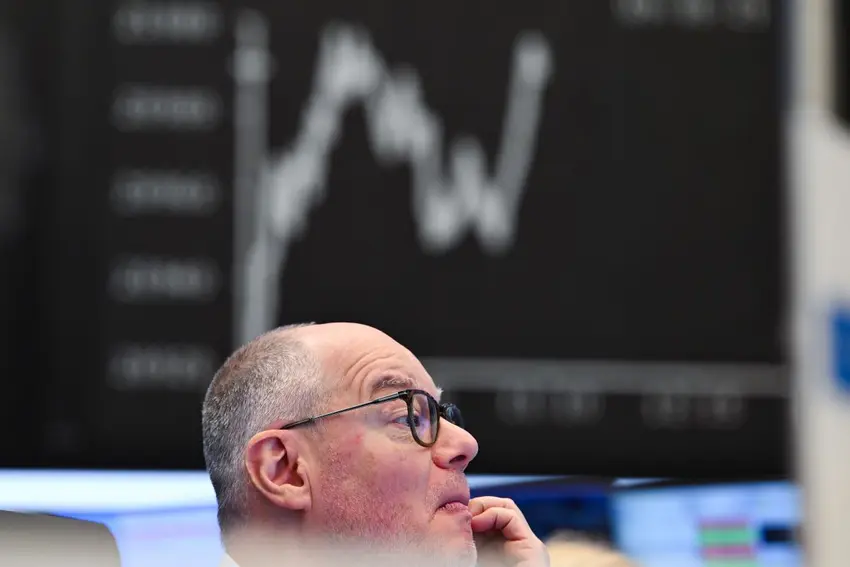
The Ifo institute's confidence barometer, based on a survey of around 9,000 companies, rose to 85.1 points from 84.7 points in December.
The final reading of 2024 was the lowest the indicator had been since May 2020, when Europe was reeling from the impact of Covid pandemic shutdowns.
The gentle improvement was "due to a more positive assessment of the current situation", Ifo president Clemens Fuest said in a statement.
Meanwhile companies' expectations for the months ahead "deteriorated again" and the overall picture remained "pessimistic", Fuest said.
The depressed mood comes as the European powerhouse recorded its second-straight annual recession in 2024, shrinking by 0.2 percent.
The struggles have been particularly acute in the manufacturing sector, where businesses have battled increased energy costs and stiffer competition from abroad.
The mood among manufacturers "saw a further decline" in January as their worries about the months ahead grew and incoming orders fell, Fuest said.
Businesses in the service sector were by contrast "significantly" more optimistic, according to Ifo.
January's increase in the indicator was "a small jump after a long and deep decline", LBBW bank analyst Jens-Oliver Niklasch said.
A more positive assessment of the current situation was sustained by falling central bank interest rates, Niklasch said.
Businesses were probably also boosted by a short-term increase in exports to the United States, anticipating a potential increase in tariffs on imports from key trading partners threatened by returning President Donald Trump, Niklasch said.
As Germany heads for February 23rd elections, the prospect of a "capable government in Berlin" that could "finally deliver reforms and reduce bureaucracy" was also on the horizon, he said.
The collapse of Chancellor Olaf Scholz's fractious three-way coalition in November precipitated an early general election on February 23.
Currently, the conservative CDU/CSU alliance, which has promised to cut business taxes, leads the polls on around 30 percent.
READ ALSO: What's the outlook for the German job market in 2025?
Comments