
Two dead after explosion at Bosch in Reutlingen
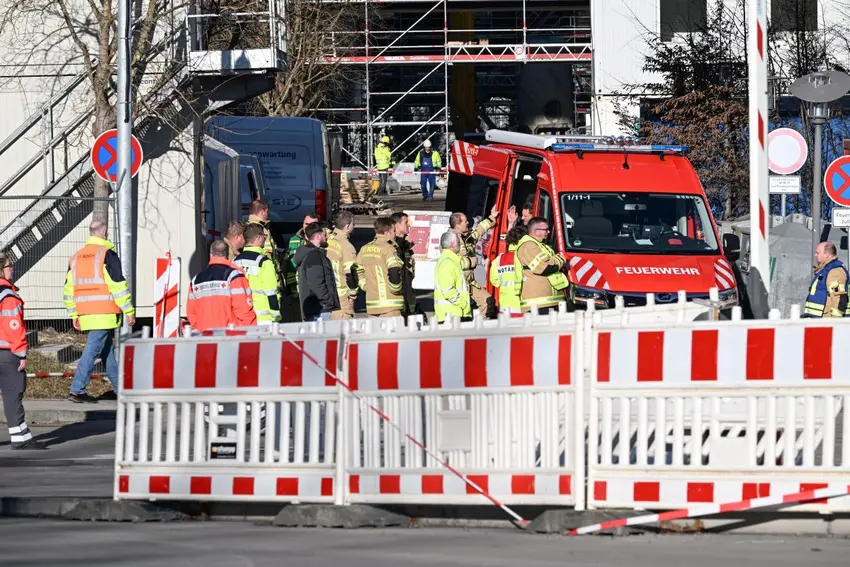
Two men have died after an explosion on the Bosch company premises in Reutlingen, Baden-Württemberg.
According to police reports, a 52-year-old man died at the scene of the accident on Tuesday, while his 44-year-old colleague succumbed to his serious injuries in hospital. Both were reportedly employees of an external company.
"We can confirm that there was an accident on the factory premises," said a Bosch spokesperson.
According to initial police findings, the incident happened when workers went to investigate the cause of a gas leak. The two men were in the vicinity and were caught up in an explosion.
The incident is being investigated.
Scholz vows to 'defend free trade' after Trump tariff threat
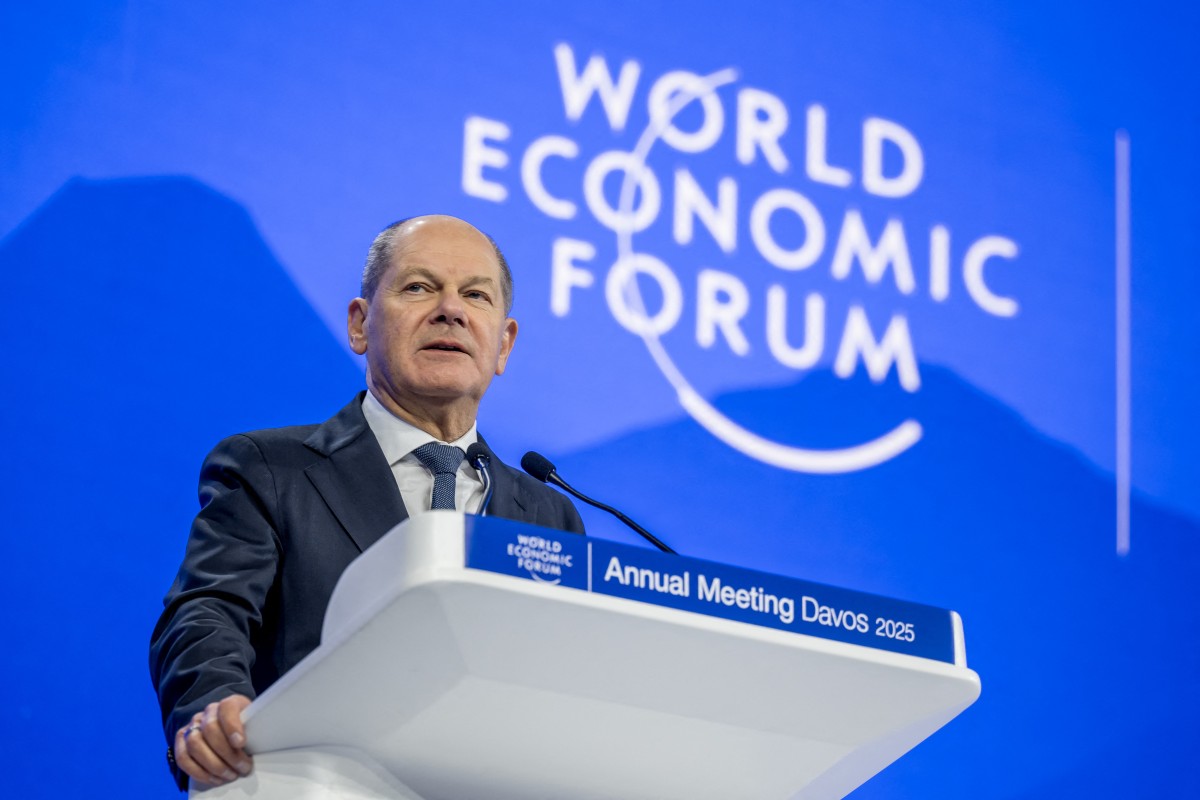
German Chancellor Olaf Scholz said Tuesday that he would "defend free trade as the basis of our prosperity", a day after US President Donald Trump threatened tariffs and taxes on trade partners.
"Isolation comes at the expense of prosperity," Scholz told the World Economic Forum in Davos, Switzerland.
"We will defend free trade as the basis of our prosperity, together with other partners."
Trump, in his inaugural address, promised duties on other countries "to enrich our citizens", and later said he could impose 25 percent tariffs on Canada and Mexico as early as February 1st.
While seeking to reach out to Trump, Scholz condemned the stance of the president's billionaire ally Elon Musk, who has strongly backed the far-right Alternative for Germany party (AfD).
Scholz criticised Musk's support for "extreme-right positions", a day after the tech mogul sparked criticism with a gesture some likened to a Nazi salute.
"We have freedom of speech in Europe and in Germany," said Scholz when asked about the X, SpaceX and Tesla chief, who made the gesture at an event marking Trump's inauguration.
READ ALSO:
- What are the rules around showing Nazi salutes in Germany?
- The false claims made during AfD's chat with Musk ahead of German election
"Everyone can say what he wants, even if he is a billionaire," said Scholz. "What we do not accept is if this is supporting extreme right positions."
Musk, who has previously insulted Scholz on X, replied almost immediately with another expletive on his social media platform.
Hospitality businesses struggling in Germany
The hospitality industry in Germany continued to lose business in 2024, new figures show.
Price-adjusted turnover in the catering and accommodation sector was 2.1 percent below the previous year's figure, the Federal Statistical Office has reported.
It was only due to price increases that the industry managed to increase nominal turnover by 1.0 percent compared to the previous year, researchers said.
It means that people in Germany went out less often, but had to pay more for drinks, food or overnight stays.
Since 2019 turnover in the hospitality industry has fallen by 12.6 percent on a price-adjusted basis, while landlords and hoteliers have increased their revenue by 10.4 percent thanks to price hikes.
The picture also reflects consumer habits amid the troubled economy. Experts say many people are seeing real income losses after years of high inflation, and there are major concerns over possible job losses.
German car lobby says Chinese investment welcome
Germany's auto industry lobby said this week that it welcomed investment from China on its home turf amid rising competition from Asian carmakers.
"If we want to manufacture in China, then it's of course good if Chinese companies want to manufacture in Germany," said Hildegard Mueller, head of the Association of the Automotive Industry (VDA).
Open markets "work both ways", Mueller said at the VDA's annual conference, following a difficult year for the auto sector.
German manufacturers have come under pressure from high production costs at home and rising competition from China.
And while the traditional European powerhouses have struggled with the switch to electric vehicles, Chinese manufacturers have raced ahead in the area of battery-powered cars.
The success of Chinese carmakers in the growing market has also been linked by European officials to unfair subsidies dished out by the government in Beijing.
READ ALSO: Germany takes aim at China in first national security strategy
In response, the European Commission has imposed additional tariffs of up to 35 percent on imported Chinese electric vehicles.
The German government was one of just five member states to oppose the measures, fearing retaliation against its own manufacturers.
With reporting by AFP
Comments