
On January 15th, the electronic patient file (Elektronische Patientenakte or e-PA) was launched in three test regions across Germany.
People with statutory health insurance in Hamburg, Franconia and North Rhine-Westphalia should now be able to access their health records virtually.
After a successful test phase, the ePA will be rolled out nationwide. According to the German Health Ministry, this will happen "after about four weeks at the earliest".
The aim is to streamline healthcare in Germany and improve digitalisation. The government says the e-file is also about promoting safer care so that doctors can, for instance, see what medications patients are taking if they move to a new practice.
READ ALSO: What you need to know about Germany's electronic patient file
What will the file contain - and how does it work?
The e-patient file will act as a digital storage facility for information on patients' health in Germany.
It will include things like: mediation plans, laboratory results, X-rays, dental treatment and vaccinations, and should accompany patients throughout their lives. Doctors can add details to the file and patients can also upload documents.
Patients should have access to the file via an app from their health insurance provider and can control which documents can be viewed there. According to the Health Ministry and health insurance providers, patients can block documents and delete them, or even delete the entire file at any time.
In the long term, patients should also be able to store data obtained through other health and fitness trackers such as blood sugar levels and blood pressure measurements.
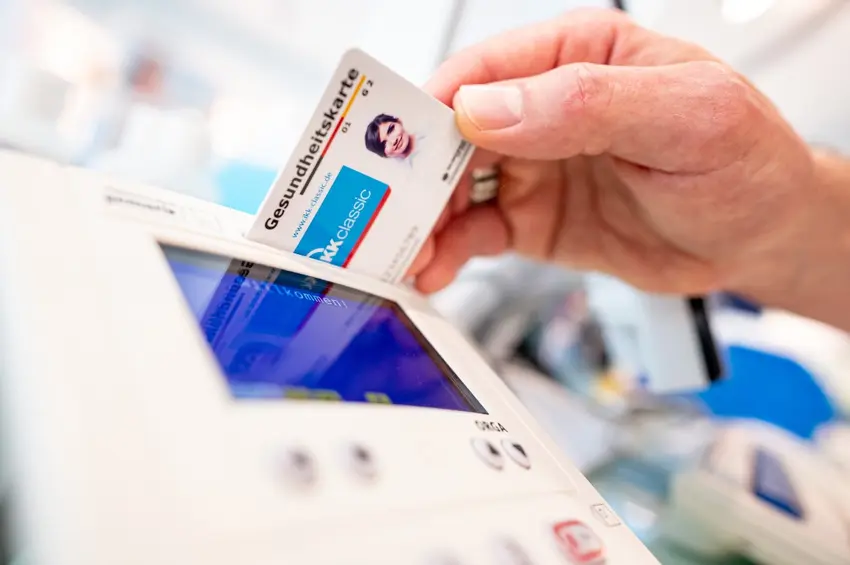
When visiting a doctor, the health professional will be able to insert the patient's health insurance card into the reader and add findings on current treatments via the practice computer.
The Health Ministry says that nobody can read the contents of the e-patient file except the insured patient, and those who have been authorised by them to access it (such as a doctor). What exactly is stored in it is decided by the insured person themselves in consultation with their doctor.
However, those who don't want to have an e-PA can getting in touch with your health insurance provider and objecting to it.
Comments