
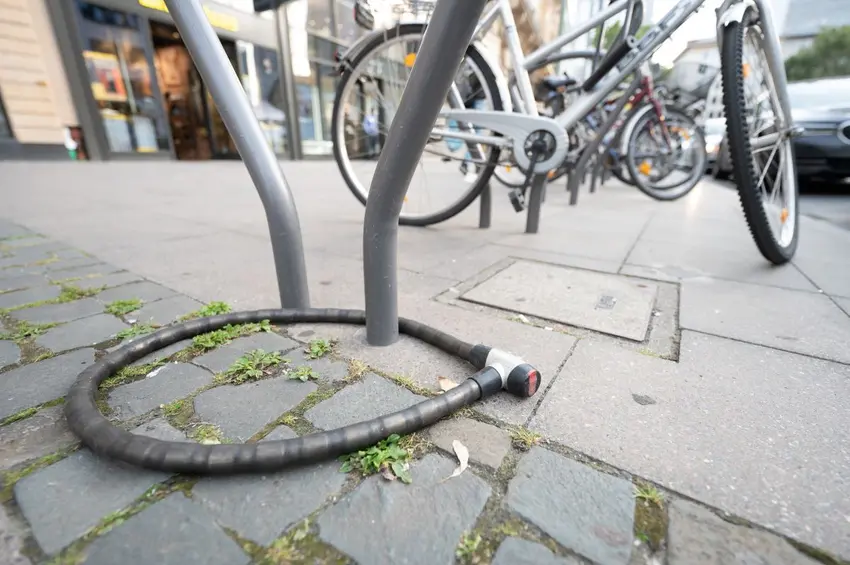
I’ve heard it said that Berlin is the “bike theft capital of the world”, although I haven’t found any solid data to back up that claim.
The data that I have seen says that around 28,800 bikes were reported stolen in the capital city in 2022 and 2023, according to Berlin’s police chief. That comes out to about 40 bikes reported stolen each day on average.
Making matters worse, a political advisor for the German National Cyclist’s Association told The Berliner magazine that only about 4.6 percent of these cases are solved.
It’s not only in Berlin - bike theft is a significant problem in most major German cities. According to the ADAC, around 300,000 bikes are stolen in Germany each year.
It’s generally understood that most of the bikes stolen in Germany are quickly moved out of the cities where they were taken, and stripped for parts or otherwise sold elsewhere by gang-like organisations.
Considering the dismally low rate of recovery for stolen bikes, some advice online goes as far as saying that reporting the theft of your bike to police is a waste of time. But I wouldn’t suggest taking such a nihilistic approach. After all you presumably do want to get your bike back if at all possible, right?
So here’s how to deal with bike theft in Germany.
File a police report
Having read through numerous Reddit threads on the topic, one comment in particular sums up the majority of advice there as follows:
If you have bike insurance
- Report it as stolen
- Get money from the insurance
- Buy a new bike
Without bike insurance:
- Report it as stolen (optional)
- Buy a new bike
- Get bike insurance
I would recommend starting with a police report regardless. I have also seen the occasional comment from someone whose bike was found by police some weeks or months after they reported it stolen.
Filing a report is the least you can do to try and make sure your bike will be returned to you if it is found by the authorities.
In most German states, you can file a police report online. You can find a link to your state’s crime reporting portal here. To file a report for Berlin you would click: 'Berlin' > 'file a complaint’ (eine Anzeige erstatten) > 'Ads about the bike' (Anzeigen rund um das Fahrrad) and proceed to fill in the report.
The basic information you’ll need includes the make, model and colour of your bike along with the serial number if you have it. You should also include information about where and when the bike was taken, or noticed missing.
Check the lost and found
Only a complete amateur bike thief would dare post a freshly stolen bike on a resale website like Germany’s eBay (Kleinanzeigen) or Facebook marketplace. But on a very rare occasion you’ll hear of a theft victim that found their bike on one of those pages.
However, should you find a posting that appears to be your bike, reclaiming it can still be tricky. Police may not find a similar looking bike in a sale ad online to be enough evidence to carry out a search, and approaching a possible thief yourself could put you in a dangerous position.
I would recommend at least checking your municipal lost and found. Many German cities maintain a Fundbüro, that can also be helpful if you lost your keys or ID.
Berlin police take it a step further and maintain a catalogue of found bikes whose owners have not been identified. You can try scrolling through those postings some days after a theft, just in case.
Check if you’re covered by insurance
Some cyclists advocate for bike insurance, which can be relatively cheap and would usually cover the full cost of your stolen bike if you had a policy in place. (Otherwise it’s worth considering for next time.)
However, a stolen bike might also be covered by more general Hausratversicherung (household contents insurance), which is common among German residents.
If you have this kind of basic insurance coverage, check your policy to see if property stolen outside the home is covered. Some insurance plans will have clauses that deny coverage when items were stolen from public space (the inner courtyard of your building could be considered public space) but other plans may cover theft and loss both on your property or beyond. So double check the policy before you submit a claim.
It may also be more difficult claiming for a bike that you bought second hand (although if you have a receipt that will help).
Tips for preventing bike theft
As mentioned above, the brutal reality is that bike theft is so rarely solved that in many cases it can perhaps best be taken as a lesson learned. But there are a number of things you can do to ensure your next bike doesn’t end up getting nicked.
First, make sure to keep a good bike lock. Bikes and bike accessories come at varying levels of expense, but your lock is NOT the place to go for the budget option. U-locks and thick chains are recommended. A good rule of thumb is that you should spend at least 20 percent of your bike’s worth on a lock. So if you buy a bike for €250, spend the extra €50 on a solid lock - it’ll be worth it when you’re still riding the same bike years later.
Also be sure to use the lock properly i.e. fasten your bike to an immovable object when left in public places.
Some cyclists recommend putting an AirTag or other GPS tracking device on your bike. This may allow you to see where your bike has gone, at least initially, but be aware that police might not accept personal tracking data as sufficient evidence to warrant a search on your behalf.
You can also register your bike with the police in advance. This ensures that police will know that you own the bike should they ever find it. Additionally, you’ll get a barcode sticker for your bike which marks it as registered and theoretically makes it less appealing to thieves.
You can check if your local police offer this service by searching “Fahrradkennzeichnung + your city name”. The Berlin police offer the service at specific events like at open air bike markets. If your local police don't register bikes, you can also have your bike registered through the ADAC.
Finally, especially if you live in an urban hub, consider that it’s probably not worth buying a bike you can’t afford to lose.
The primary advice I give to friends in Berlin is to buy a second-hand bike and a nice lock. A €200 - €300 used bike is not nearly as much of a target as a new €500+ bike. Some people suggest that covering your bike in stickers makes it less appealing to thieves as well.
If you must have a shiny and expensive bike, you should plan to keep it inside your apartment at night. According to a report by Berliner Zeitung, while the number of total bike thefts was slightly reduced in 2024, the number of bikes stolen from apartment basements rose.
Comments (1)