
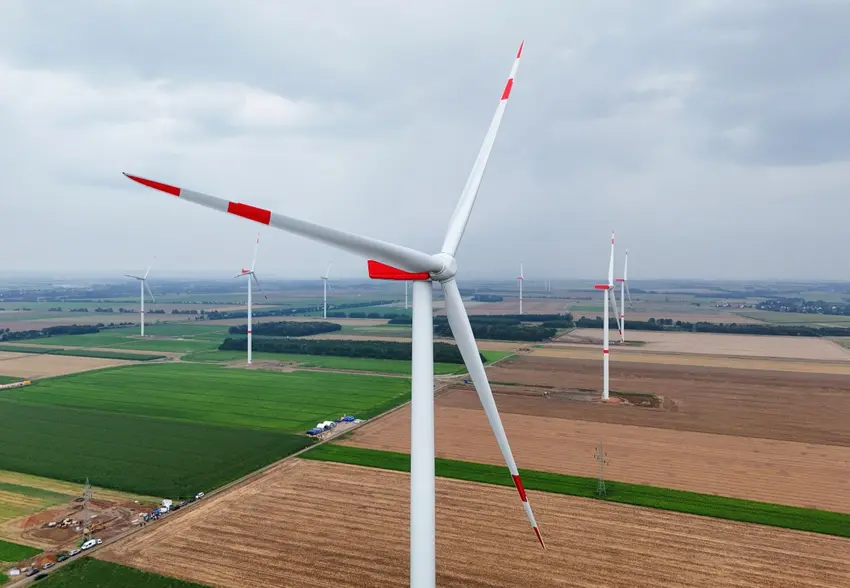
Renewable energy like wind and solar accounted for 59 percent of production in Germany, while in Britain it stood at 45 percent, the data showed.
In Germany, where 2024 marked the first year without nuclear energy, the share of renewables increased to 59 percent from 56 percent the previous year, the country's energy regulator said in a statement.
Wind power retained its place as the nation's main electricity producer at 31.9 percent of the total, while the share of coal continued to decrease to less than 23 percent from 26 percent in 2023, it said.
The share of natural gas increased to 13.2 percent of the total, up from 8.6 percent.
Germany aims to have renewables make up 80 percent of its energy supplies by 2030 and to phase out coal by 2035.
Overall, Germany produced 431.7 TWh of electricity in 2024, a decrease of 4.2 percent compared with the previous year.
Imports increased to 13.8 percent, while exports declined to 10 percent.
No more coal
In Britain, oil, gas and coal together produced 29 percent of the UK's electricity in 2024 while renewables made up 45 percent, according to a report Thursday from the climate and energy website Carbon Brief.
Britain's last coal-fired power station closed in October, making the country the first G7 member to end its reliance on the fossil fuel for electricity.
The Labour government followed this up in November with plans to ban new coal mines.
Carbon Brief added that nuclear energy was used to produce 13 percent of Britain's electricity last year. A total 11 percent of Britain's electricity was imported.
Gas-fired power stations remained Britain's single-largest source of electricity in 2024, the analysis found.
Comments