
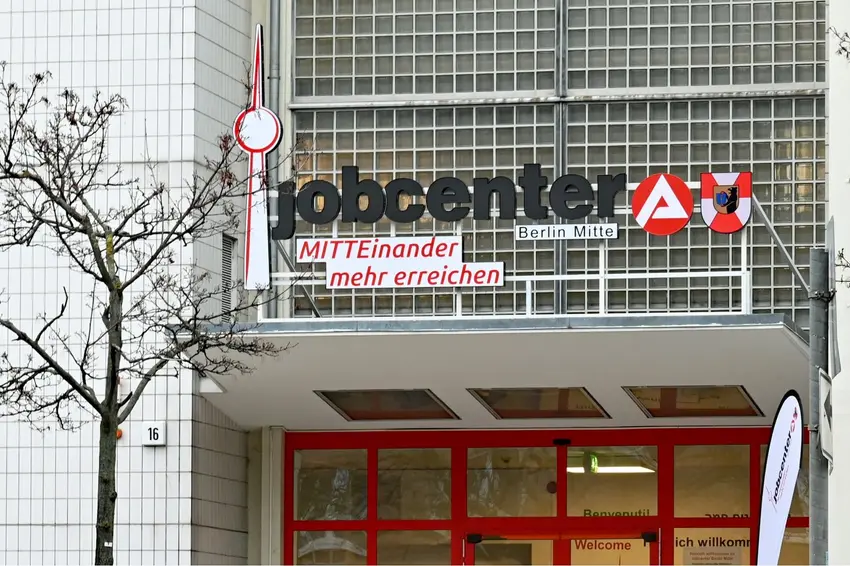
The number of unemployed rose by 10,000, a lower number than expected, seasonally adjusted figures from the BA federal labour agency showed.
Analysts surveyed by FactSet had expected the jobless rate to rise to 6.2 percent, or 17,500 people.
The more modest rise came despite the fact that the winter break normally has a negative impact on the labour market.
Europe's largest economy looks likely to have suffered a second straight year of recession and BA chief Andrea Nahles said in a statement that viewed over the whole of 2024 the "persistent slowdown has deeply affected the labour market", adding that the market "has however remained stable for the most part."
In absolute terms, less representative of underlying trends but more closely followed in public debate, the number of people out of work climbed by 33,000 in December to 2.81 million.
Year-on-year unemployment climbed by 0.3 percent, also in absolute terms.
READ ALSO: German industry pessimistic over 2025 employment prospects
Viewed over a longer time period, the upward trend in unemployment is clearer, according to Martin Mueller, analyst at public lender KfW.
"Since the previous low point in November 2019, the number of jobless has risen by 627,000, a 29 percent increase," he said.
Mueller noted that "over the same period the number of long-term unemployed rose even more sharply, by 41 percent".
Germans will head to the polls on February 23rd for an early general election prompted by the collapse of Chancellor Olaf Scholz's centre-left coalition in November.
The political instability comes at a time when the economy is suffering its "toughest and most persistent crisis" in recent history economist Bert Ruerup told the Bild daily.
READ ALSO: The key election pledges that will affect foreign residents
The woes of the country's flagship industries point to the "end of our success as an exporting nation," he said.
Meanwhile the official Destatis statistics agency reports that the number of people in work in Germany in 2024 stood at 46.1 million, the highest number since reunification in 1990.
The agency reports that most new jobs are in the service sector, while posts have been shed in industry and construction.
Comments