
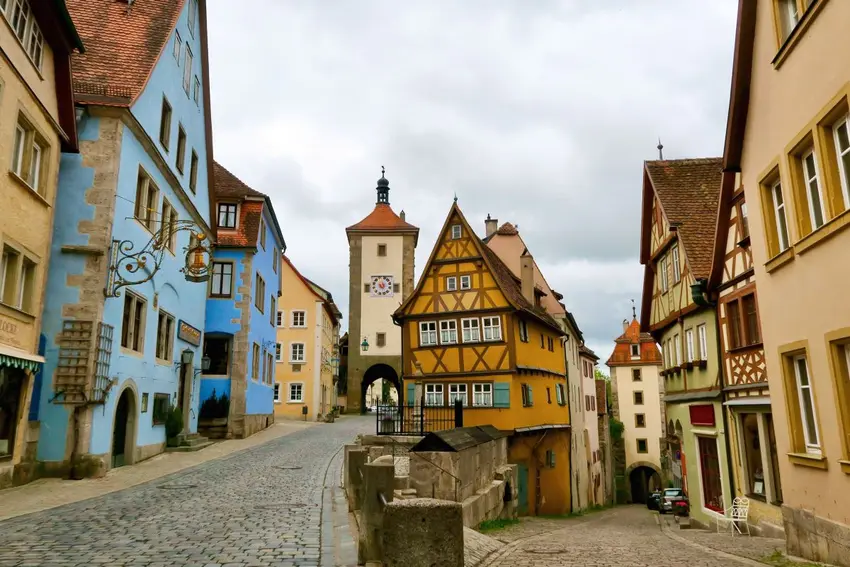
Ahr Valley
Germany’s Ahr Valley in Rhineland-Palatinate landed on Condé Nast Traveller’s list of “the 25 best destinations to in 2025”.
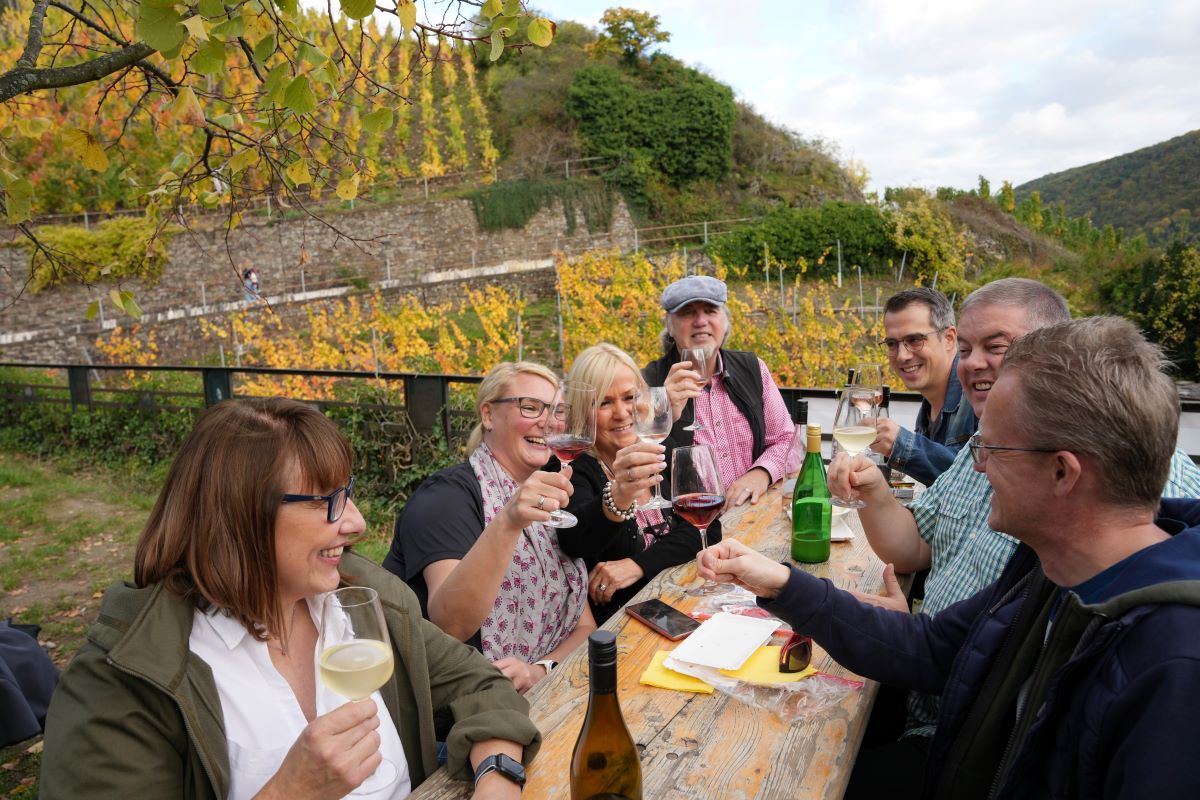
The picturesque valley in western Germany is among the country’s smallest viticultural zones, but has gained notoriety among travellers for its striking geography and distinct wine-making tradition.
The region suffered severe and lethal flash floods in July 2021, which destroyed large parts of villages in the valley, and local wineries and hotels say tourism in the area has yet to fully recover.
But communities in the area have worked hard to rebuild, with around 80 percent of businesses open again as of last summer, according to Condé Nast. Also, the local Ahr Valley Railway, which connects villages up and down the winding narrow valley, is scheduled to be back to regular operation by the end of 2025.
READ ALSO: How wine from Germany's flood-hit western regions gives hope for the future
Now with the slogan "We AHR open", the region hopes to once again lure wine-tasters and travellers looking to get a bit off the beaten track.
Among the top rated local highlights are the region's wineries as well as a 36 kilometre red wine hiking trail, which leads through terraced vineyards.
Typically, Germany is known more for its white wines than its reds, but the Ahr valley is an exception – Pinot Noir (called Spätburgunder) produced here is known to be the best in the country. Other local varieties include reds called Portugieser and Frühburgunder, and whites like Riesling, Pinot Blanc and Pinot Gris.
The authors at Traveller also recommend a stop at the Kurhaus in Bad Neuenahr where the indoor pool and spa reopened last year, with thermal bath pools to reopen this year.
The Ahr Valley is about an hour’s drive south from Cologne, or two hours west from Frankfurt. You can also arrive by regional train in about double the time from either city.
Chemnitz
Culture experts and leaders at the European Commission think the Saxon city of Chemnitz is the place to visit this year as it has been selected as the “European Capital of Culture 2025.”
Chemnitz shares the title with 38 surrounding municipalities in the regions of Central Saxony, the Ore Mountains and Zwickau, and a series of cultural events are scheduled in these places throughout the year, starting with a kick-off event on January 18th.
READ ALSO: 8 unmissable events happening in Germany in January 2025
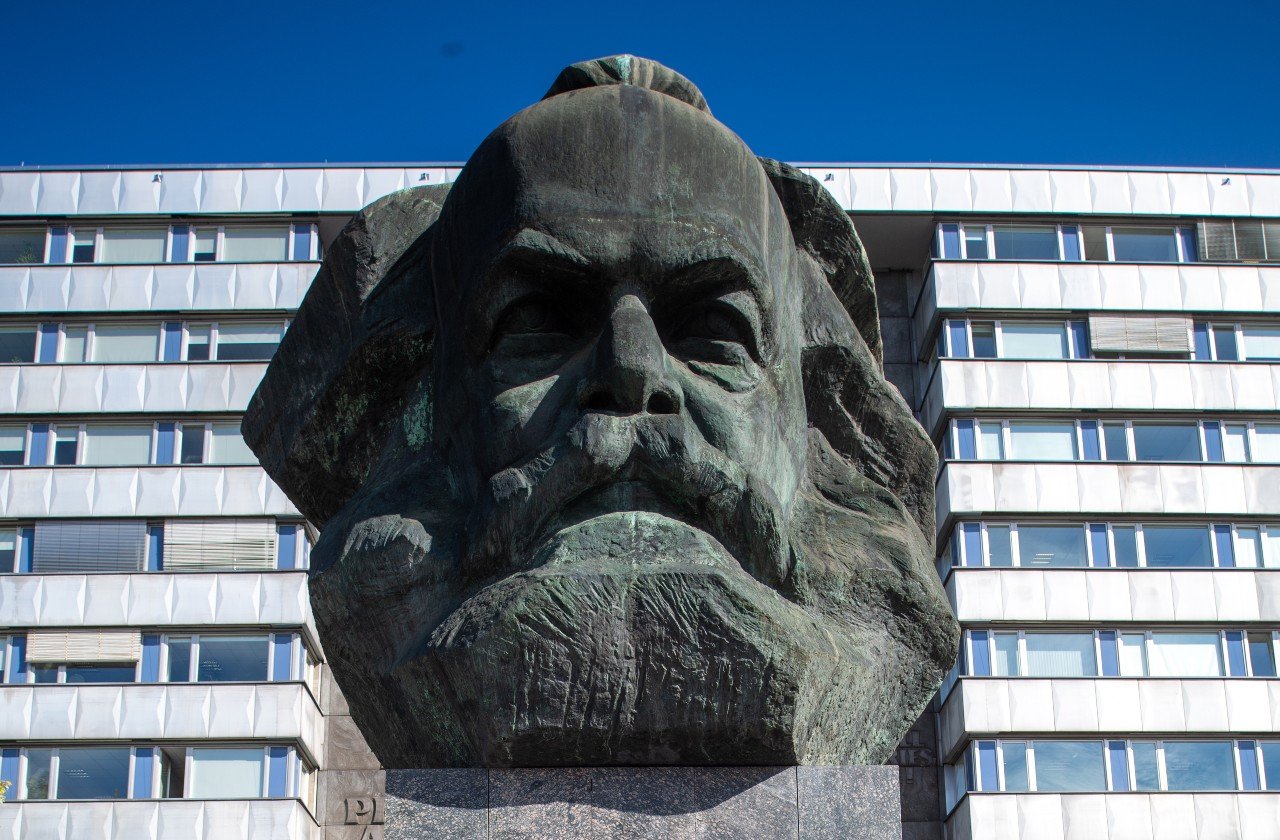
Before the reunification of Germany, Chemnitz belonged to former East Germany, and its name was changed to Karl-Marx-Stadt during those years.
Along with the surrounding Zwickau region, Chemnitz was a hub for industrial development – especially within the textile, mechanical engineering, railroad and automotive industries.
Visitors today can explore the region’s medieval, Renaissance and Baroque castles and check out music and art collections.
Outside of the winter season, outdoor sports enthusiasts can indulge in plenty of hiking, cycling and water routes.
A trip to Chemnitz is also easily combined with a stay in Dresden, Leipzig or both. It’s about three hours south of Berlin by car, or four hours on regional trains.
Bavaria
According to Lonely Planet, Bavaria is among the top regions worth a visit in 2025.
The best-selling travel guide publisher suggests the southern German state’s “unmistakable but often contradictory character” makes it ripe for interesting travel.
Beyond the region’s well-known beer gardens (not to mention Oktoberfest), the writers at Lonely Planet recommend taking a boat ride on the Königssee, hiking around Garmisch-Partenkirchen and, if possible, catching a game at the Allianz Arena in Munich. (Note to football fans: the Champions League final match will take place here on May 31st this year.)
READ ALSO: Why Bavaria is one the world's top travel destinations for 2025
Beyond Munich, the lesser-known medieval cities of Regensburg and Rothenburg ob der Tauber are known to be particularly beautiful.
If you’re keen to try some of Germany’s famous brews, you really can’t go wrong in Bavaria. But a visit to Bamberg makes for a particularly interesting stop, as the Rauchbier (smoked beer) made there packs a flavour you won't soon forget.
READ ALSO: Travel in Germany - Sipping smoked beer and soaking up culture in beautiful Bamberg
Wine lovers, on the other hand, might consider one of the summer festivals in Würzburg.
Beyond the Alps in the south, nature enthusiasts might also consider hiking, camping and other exploration in the 'Franconian Alps' (Fränkische Schweiz) or the Allgäu region.
Hamburg
Germany’s largest port city is always popular for tourists, but this year the travel writers at Reader’s Digest are calling it the best city for “new immersive art ready to fill your IG feed”.
Hamburg has the highest density of casinos of the German states, this and its notorious red-light district, has led some to refer to it as the “Las Vegas of Germany”.
But it can also make for a family-friendly vacation: one marked by views of spectacular new and old architecture, fish sandwiches served up next to the water, and - according to Reader’s Digest - some of the coolest new art museums.
This year a new digital art centre, the Port de Lumieres, will open – first with an Gustav Klimt exhibit titled “Gold in Motion”.

Also bound to be eye-catching is the “Glitter” exhibit at the Museum of Arts and Trade (MK&G), which is open from February 28th until October 26th this year.
Finally teamLab Borderless - which created an interactive digital art space that got famous in Tokyo - will open an exhibition in Hamburg this year.
READ ALSO: Why Hamburg has just been named Germany's 'happiest' place
Comments