
After a long back and forth, the Bundestag and Bundesrat approved an amendment to the Regionalisation Act that will allow the Deutschlandticket to continue throughout next year.
After long delays, partly due to the collapse the traffic light coalition, the SPD, Greens and CDU/CSU agreed on the new funding plan, with the FDP also voting in favour in the Bundestag.
Since its introduction in May 2023, the Deutschlandticket has attracted around 13 million subscribers, having offered nationwide travel on regional and local transport for €49 per month.
However, its success has been marred by continuous debates over financing, with state leaders regularly battling the federal government for higher subsidies.
One consequence of the financing debacle being a recently announced €9 price hike that will see the ticket cost €58 from the start of 2025.
Following Friday's vote, the federal government will provide a €1.5 billion subsidy to compensate for the loss of revenue for transport companies caused by the ticket - a figure that is set to be matched by the states.
READ ALSO: The big changes for travel in Germany in 2025
Lawmakers will also allow the transfer of unused state subsidies from 2023, when the ticket was introduced halfway through the year, to be carried forward.
However, with financing only secured for 2025 and snap elections scheduled in February, the future of the travel pass remains shrouded in uncertainty.
'Room for manoeuvre'
The centre-right CDU and CSU alliance, which is currently leading in the polls, has long been sceptical of the ticket.
In Berlin, the CDU-led coalition recently scrapped a local version of the ticket - branded the €29 ticket - as part of sweeping budget cuts for 2025.
READ ALSO: Why Berlin is set to cancel €29 travel pass
Speaking to DPA after the vote on Friday, CSU parliamentary deputy leader Ulrich Lange raised the spectre of a rethink in the coming years.
"The ticket can be continued in 2025, but after that, there will be room for manoeuvre or to introduce something new," he said.
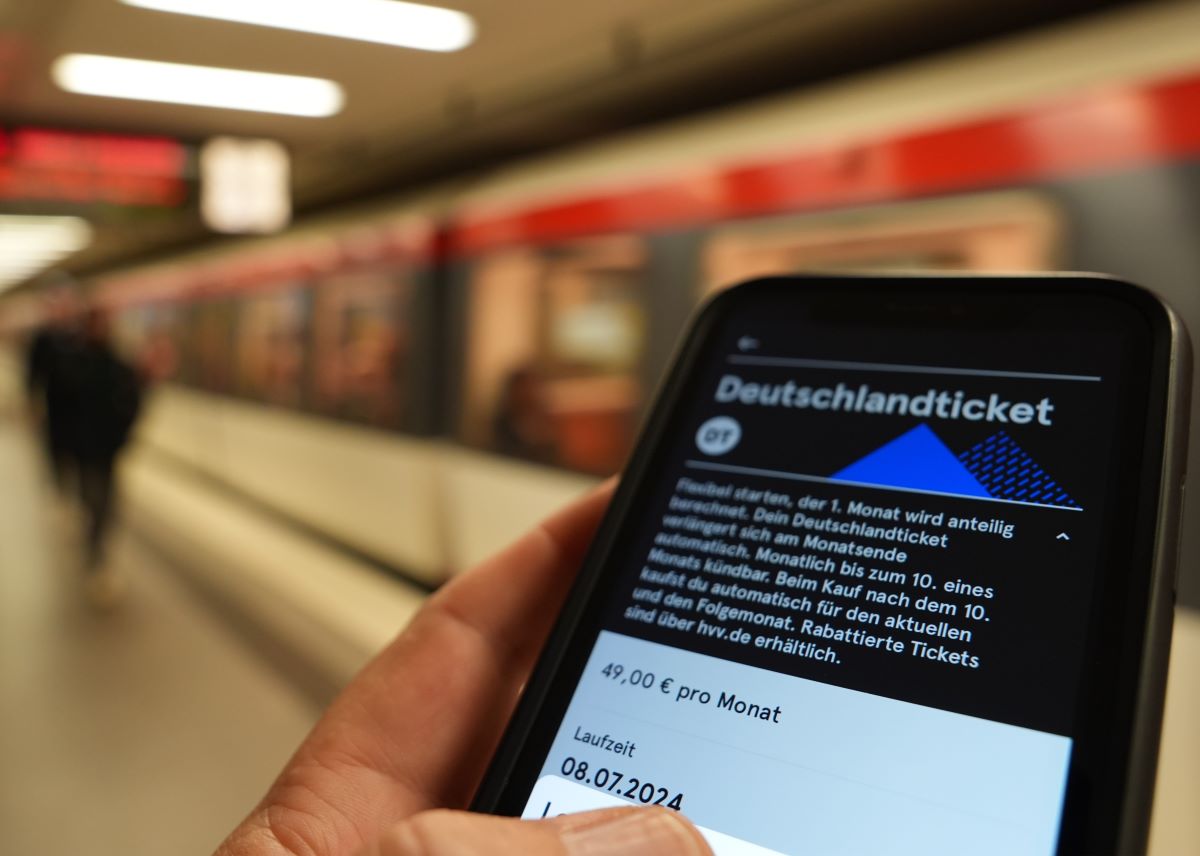
According to Lange, the nationwide travel pass has a number of design flaws - especially when it comes to financing.
Even with the coming €9 price hike, the funding of the Deutschlandticket is still causing losses for states and transport operators, he said.
READ ALSO: Deutschlandticket price hike divides foreigners in Germany
In addition, the CSU parliamentarian criticised the fact that people in rural areas have fewer options for using the ticket.
"The car remains the number one means of transport, especially in rural areas," he said. "Even a Deutschlandticket can't make up for that."
Neverthless, advocates of the budget travel offer are calling for a long-term plan for financing the offer.
Greenpeace transport expert Marion Tiemann slammed the fact that the "embarrassing nail-biting" over the ticket's funding would continue into next year.
"The ticket will only realise its full potential for relieving the burden on households, protecting the climate and digitalising transport if it is permanently secured," she said.
Transport Minister Volker Wissing, who played a key role in conceptualising the ticket, was also among the voices calling for the transport deal to be continued.
"It's not just a practical and attractively priced ticket, but the Deutschlandticket is also a digitalisation offensive for local public transport," he said.
For Wissing, the ticket also offers advantages for those in rural areas, who would otherwise shell out as much as €200 per month for a regional travel pass.
With reporting by DPA
Comments