

A lack of skilled workers in virtually every major industry in Germany is at the heart of some of the country’s biggest challenges.
From long waits to see specialist doctors, to schools plagued by walkouts, to an economy that has become stagnant, many of the issues that German residents face are either caused or exacerbated by the country’s serious labour shortage.
A recent study found that Germany needed around 280,000 foreign workers each year to prop up the labour market.
But while the recent coalition government has brought in changes - such as eased immigration laws - the reality is that Germany is failing to attract enough talent. Meanwhile Germany has fallen from the top of the ranks of most attractive countries for foreign workers.
With that in mind, we asked our readers why they think Germany struggles to attract foreign talent, and what it could do better.
Starting a new life in Germany is tough
Of nearly 70 readers who responded to The Local’s survey, the majority voiced frustrations about the challenges they’ve faced in moving here, starting work and trying to integrate.
Simone, 37, who works as a doctor in Nuremberg summed up the general sentiment: “Germany may say that it desperately wants skilled foreign workers, but the country’s ridiculous bureaucracy, ingrained xenophobia, and general allergy to change or modern technology all tell a different story.”
Asked why they thought Germany is struggling to attract foreign workers, Simone chalked it up to three major problems.
“It’s partly because of the difficulty of mastering German, partly due to a perceived weakening of the German economy, and partly because most people can sense when they‘re not really wanted,” Simone told The Local, adding that the country had become less welcoming in recent years.
Others agreed that not feeling welcome is a serious problem for Ausländer (foreigners) in Germany.
Josh, 39, who lives in Baden-Württemberg, simply named the “unfriendly atmosphere” as the country’s main issue. He added that he “struggled a lot to adjust” when he first arrived, although he does say that two years later his life has gotten easier.
'Not an easy language to learn'
A big part of the struggle to integrate in Germany stems from the effort required to learn the language.
“German is not an easy language to learn,” said Balakumaran who lives in Stuttgart. “Even if we learn German…it’s tough to speak fluently in the office and take part confidently in meetings.”
While a high percentage of Germans do understand English, outside of international hubs like Berlin, German language skills are essentially required to participate in most workplaces, as well as social events.
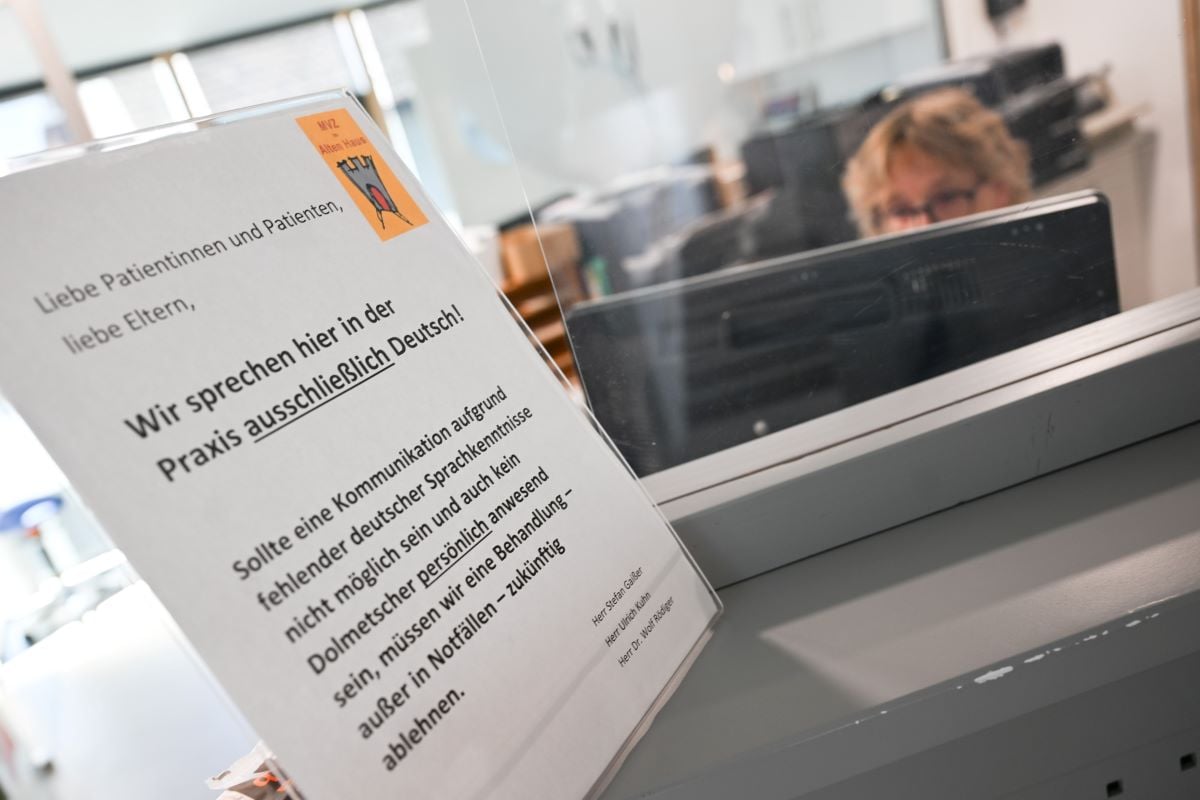
“There are many job openings that require German speaking skills that don't really need speaking German,” lamented Yazmin, 42, who lives in Solingen in North Rhine-Westphalia. She added that she’s taken jobs that had a German requirement, only to find that in the office her colleagues primarily used English.
READ ALSO: Which Bavaria-based companies regularly hire English speakers?
Cumbersome bureaucracy, low pay and high taxes
Among the issues that could more readily be tackled by policy measures are bureaucracy and tax issues.
A number of respondents mentioned easing bureaucratic requirements as being the best ways the government could better attract foreign workers.
For example, many skilled workers with degrees and other qualifications from their home countries find that these aren’t recognised in Germany, which forces them to take jobs they are overqualified for while roles requiring high qualifications remain unfilled.
Eszter, 49, who works in education said she’s seen this happen to colleagues regularly, often for candidates with higher levels of qualification than their German-educated colleagues.
“I think the recognition process is really slow and complicated and costs lots of money,” Eszter said.
She added that some employers take advantage of applicants without recognised qualifications – offering them less pay.
"One hiring manager at a private school told me ‘You are nobody’," she said.
READ ALSO: How Germany wants to speed up recognition of foreign qualifications
On top of work qualifications is all the busywork involved with simply moving to and residing in Germany. Workers need to navigate setting up a bank and dizzying residence permit applications etc., with virtually no paperwork available in English.
“One is supposed to be competitive at their job, and also deal with hundreds of pieces of German paperwork,” said Jonathon, 41, who lives in Munich.
A number of respondents also said Germany was not competitive as a working destination compared to countries that have higher salaries and lower taxes.
For Mont, a 35 year old doctor living in Heilbronn, it all comes down to Nettogehalt (net salary): “Germany is punishing highly skilled people with high taxes. Meanwhile Dubai, Abu Dhabi, Switzerland or the USA offer more Nettogehalt.”
In Germany’s defence, the lower salaries here also reflect a lower cost of living, compared with Switzerland for example, and the higher taxes reflect a higher level of social benefits, especially compared with the US.
But it’s also true that incoming foreign workers don’t reap the benefits of social welfare programmes and related public funds, at least not immediately.
“We pay the same tax and social contributions but we don't get the same benefits,” suggests Balakumaran.
What could be done differently?
The Local readers had some interesting ideas about actions that the government could take to make Germany more attractive to skilled workers.
“Germany needs to become a bilingual German/English country and streamline bureaucracy,” suggested Sandra, 57, who lives in Bavaria.
She added that the registration process, known as Anmeldung, should be digitalised, and that it should be trilingual – in German, English and French.
William Trimmer, 68, living in Hannover said that “language learning could be incorporated within company training”.
He also had an idea for improving Germany’s bureaucracy and digitalisation efforts: “Hire younger tech-skilled people into the high-stress government departments and be open to listening to their ideas.”
A lot of respondents said English should be more accepted.
Whether, or how quickly, that needs to happen is a larger societal debate, but private companies in particular could certainly do their part.
One respondent, who didn’t give a name but said they work in telecommunications, said, “The private sector needs to understand if they want to even remain in business in the next few decades…they cannot stubbornly expect they will find enough German speaking talent.”
Is life for foreign workers in Germany getting better or worse?
Asked if respondents thought the situation in Germany for foreign workers was improving, the general response was grim.
Some said that the few improvements they were seeing were too little and too slow, while others thought the situation was actually getting worse.
Mukund, a PhD student in Munich said improvements were happening “only on paper”, while the “ground situation has not changed at all”.
While others, pointing to right-wing / anti-immigration sentiments and policies, suggested that life for foreign workers is getting less secure.
That said, Germany’s most recent coalition, made up of the Social Democrats (SPD), Greens and FDP does deserve credit for at least trying to take steps toward attracting talent from abroad.
Keith MacDonald, from the US, listed a number of the recent initiatives we have seen in recent months and years.
These included a lower income requirement for the EU Blue Card, the introduction of the ‘Opportunity card’, an easing of requirements to have foreign qualifications recognised, the dual citizenship law and others.
But while these efforts will certainly make aspects of life just a little bit easier for Germany’s skilled workers, significant challenges remain.
One research director in Berlin, who preferred not be named, said she’s noticed an improvement, specifically with the digitalisation of services in Berlin, “but no movement on being more open language wise, [or on improving] the housing crisis…”
Comments