
Inside Germany is our weekly look at some of the news, talking points and gossip in Germany that you might've missed. It’s published each Saturday and members can receive it directly to their inbox by going to their newsletter preferences or adding their email to the sign-up box in this article.
German island of Borkum slammed for violent 'Klaasholm' custom
Germany's holiday traditions, such as the beautiful Weihnachtmärke - or Christmas markets - are loved across the world.
But this week, a celebration held on the eve of Nikolaustag on the small German island of Borkum was in the headlines for all the wrong reasons.
An investigation by German media into the Klaasohm festival, which dates back almost two centuries, exposed violence against women.
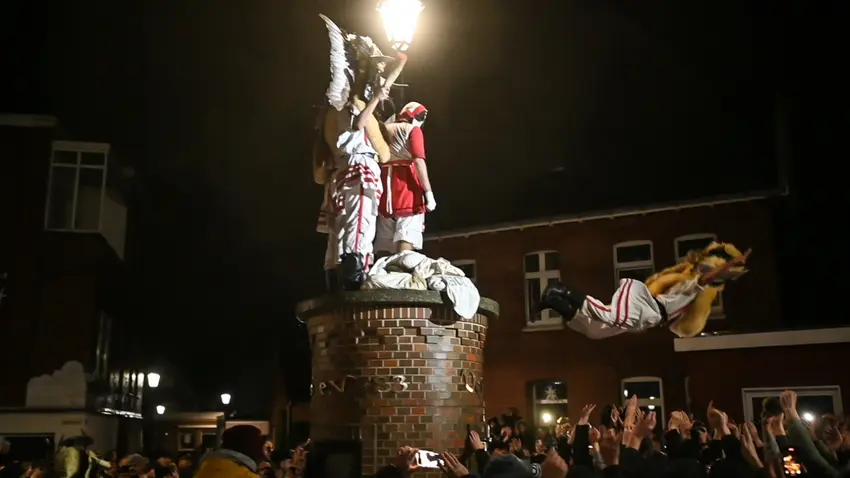
As we reported in one of our most-read stories this week, the festival involves a street party with drinking, dancing and fancy dress costumes on the island, which has a population of around 5,000.
But then it gets strange: some of the young unmarried men dress up as a figure known as "Klaasohm", wearing large helmets covered in fur and feathers. The groups runs through the town surrounded by male "helpers". They hunt down young women, "capture" them and the "Klaasohm" beats the women on their behind with cow horns.
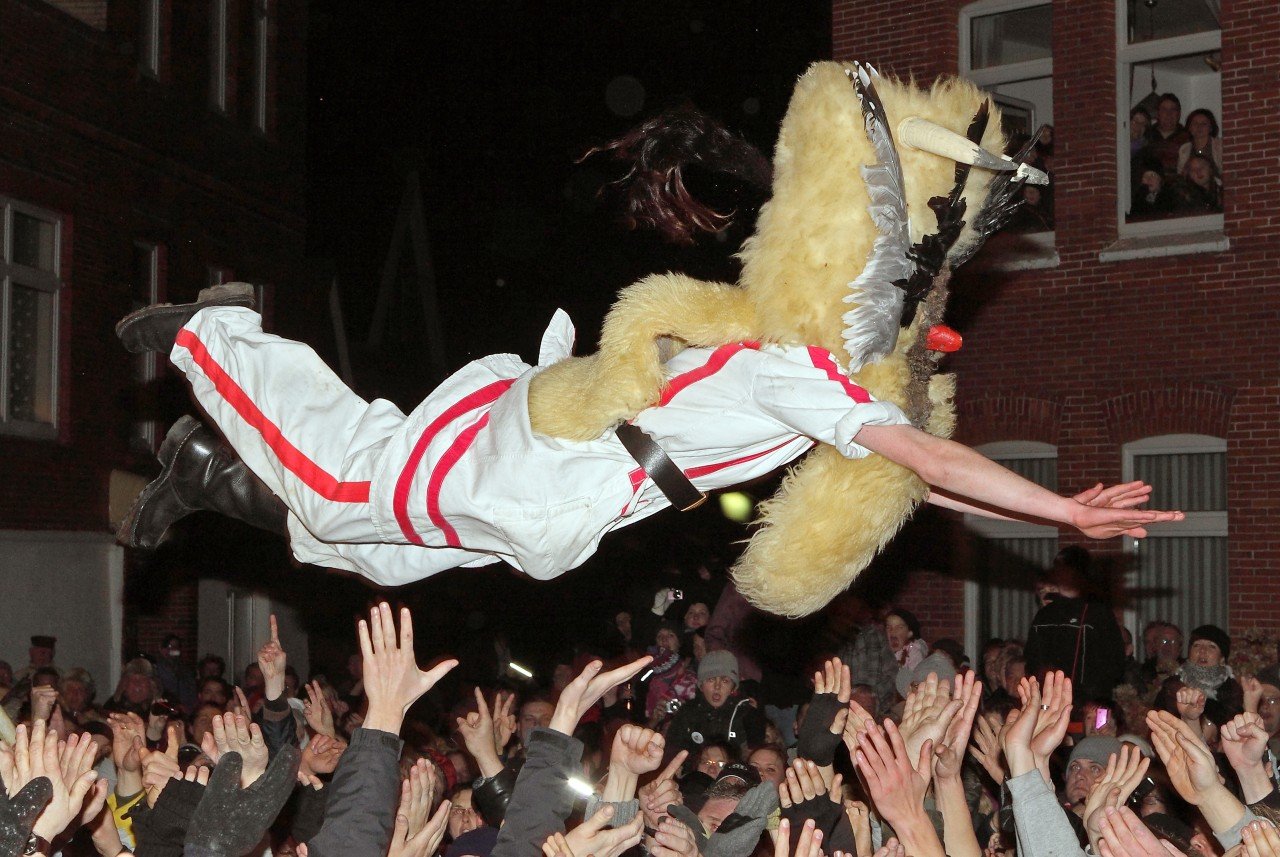
Another ritual involves the Klaasohms challenging each other to 'symbolic' fights.
German journalists secretly filmed footage of the festival last year, and interviewed women anonymously. The women talked about the pain and bruises they experienced when they were beat by men. The investigation sparked outrage and went viral on social media.
After the outcry, officials said the slapping tradition would not be included in the festivities this year. Island mayor Jürgen Akkermann and the Borkum Boys' Association, which organises the festival, say they want to modernise and adapt the traditions to current social values.
Meanwhile, the island said it would set up a helpline for any women affected.
Police said this year's event passed without any concerning incidents logged.
Hopefully the festival can continue in future years minus the beating up women part. However, it is worrying - although perhaps not surprising - that a tradition like this was still going on today.
Can Germany's minority coalition pass laws?
Now we are into December, the countdown is on to Christmas...and the dissolution of the current German parliament, which paves the way for new elections on February 23rd next year.
After the FDP crashed the coalition in November, the Social Democrats (SPD) and Greens are struggling along in a minority government.
Chancellor Olaf Scholz, of the SPD was initially pretty confident that he would be able to push through laws concerning spending by Christmas.
But that is looking unlikely as things stand.
The minority government needs to find support from other parties in the Bundestag to pass laws - such as an increase in Kindergeld or the child allowance.
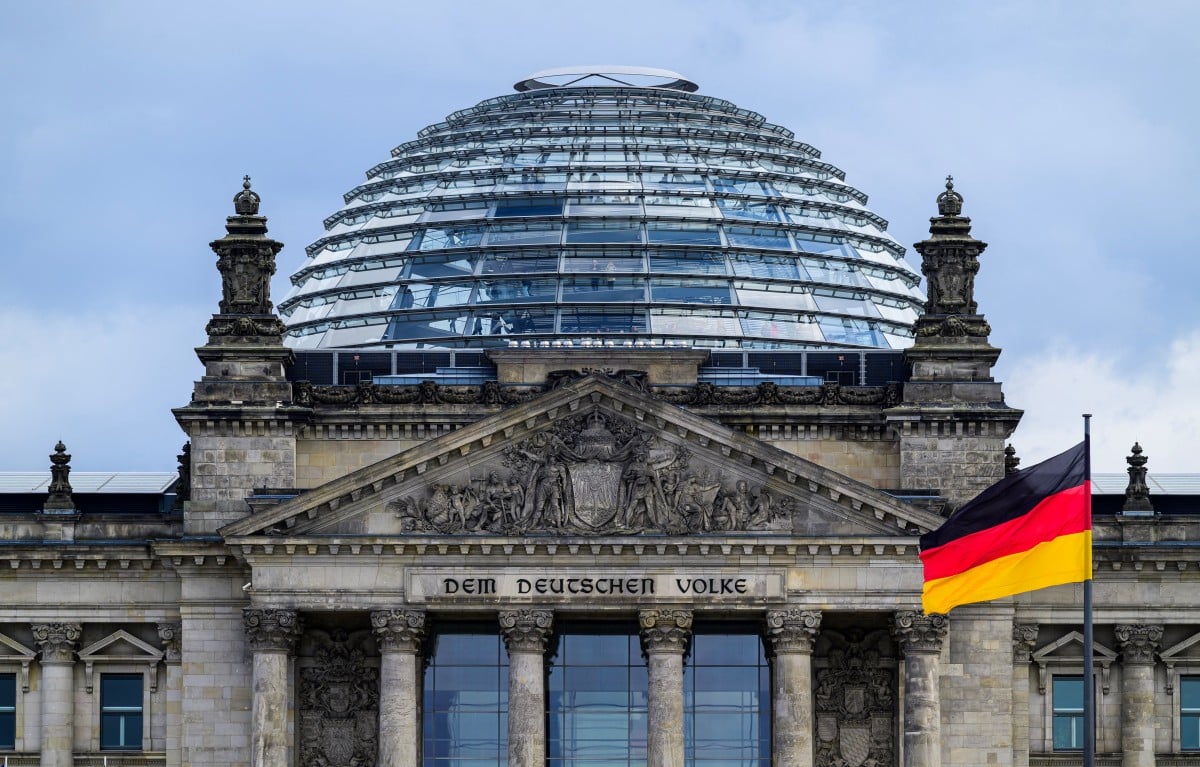
As we reported this week, the Christian Democrats (CDU), who are leading in the polls, are keen to dig their heels in and not lend support to passing some of Scholz's agreed legislation.
That means Germany could go into the new year with no finalised spending plans.
Summing up the turbulent times, Germany's word of the year for 2024 was 'Ampel-Aus' or 'traffic light off' - referring to the collapse of the coalition.
READ ALSO: The laws at risk as Germany's minority government struggles for support
Glühwein time
It's that time of year again to enjoy some Glühwein and other German winter treats like roasted chestnuts.
But did you know where the German word for Glühwein comes from? The Glüh part of the word for this mulled wine treat - which sounds a bit like the English word “glue” - comes from the German verb glühen meaning “to glow”.
The origin of the word Glühwein goes back hundreds of years when hot irons were used to heat the wine. It might help you to remember the meaning of the word by looking at the glowing cheeks of your friends while drinking a cup of the hot alcoholic drink.
Are you convinced by this sign that reads: 'Glühwin is like tea, only funnier.'
Good morning #Berlin & Beyond! Just a quick reminder for all our British followers?
— BerlinCompanion (@berlincompanion.bsky.social) 5 December 2024 at 10:57
[image or embed]
Comments