
Inside Germany is our weekly look at some of the news, talking points and gossip in Germany that you might've missed. It’s published each Saturday and members can receive it directly to their inbox by going to their newsletter preferences or adding their email to the sign-up box in this article.
Protests as Berlin puts forward painful budget cuts
The city of Berlin this week unveiled a huge number of austerity measures aimed at saving €3 billion. The cuts have come as a shock to city residents and several protests have already been held.
As we reported this week, some of the biggest cuts are in the transport sector. The €29 monthly ticket, which only launched in July this year, is set to be axed. Funding will also be drastically cut for public transport in general, as well as for cycling infrastructure and construction projects.
Savings are to be made in the environment sector, with less money going to forests, parks and climate protection. Some social spending will also be cut back, hitting, for example, homeless accommodation and youth support in the capital.
READ ALSO: Transport, culture and tax - How Berlin's budget cuts could affect you
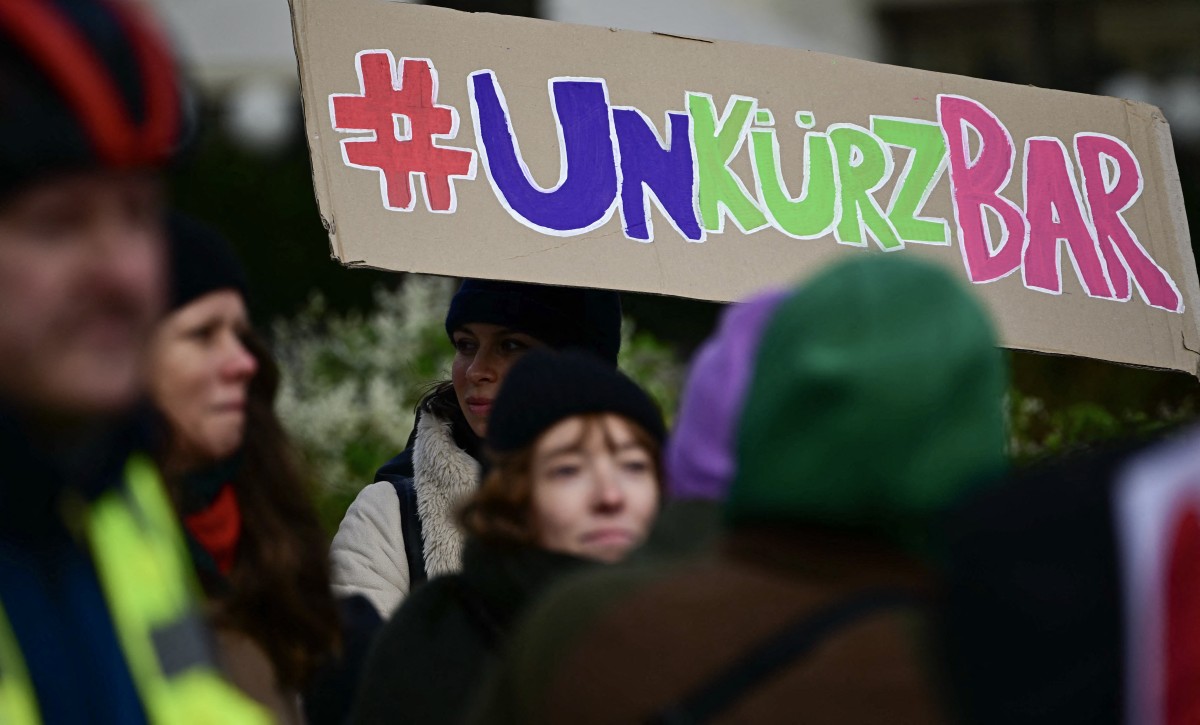
Cultural institutions and projects in Berlin are also likely to see much less funding next year as the city grapples to save money.
In total, around €130 million - 12 percent of the total culture budget - is being cut from budgets for culture, affecting the likes of the Deutsches Theater, the Volksbühne, the Schaubühne, the Berliner Ensemble, the Opera Foundation and the Komische Oper.
The Schaubühne theatre said this week that the plans "would lead to insolvency by the end of 2025".
In a statement sent to news agency AFP, the Schaubühne said the only alternative to bankruptcy would be "a huge programme of restructuring and dismantling which would mean losing what the theatre stands for".
Berlin's culture minister Joe Chialo told local media earlier this week he was still negotiating to see if the cuts could be reduced - but the outlook is bleak.
People across the city have rallying against the cuts, from artists and actors to homeless people and families.
Sadly, these cuts may be a sign of things to come elsewhere in Germany as politicians grapple with cutting budgets at both the local and national level.
It will be worth keeping an eye on whether the future German government - whoever that may be - makes changes to the strict debt brake rule, allowing Germany to borrow more money. That would signal a change in spending attitudes - and may make a key difference to life in Germany in the long run.
Dressing for winter like a German
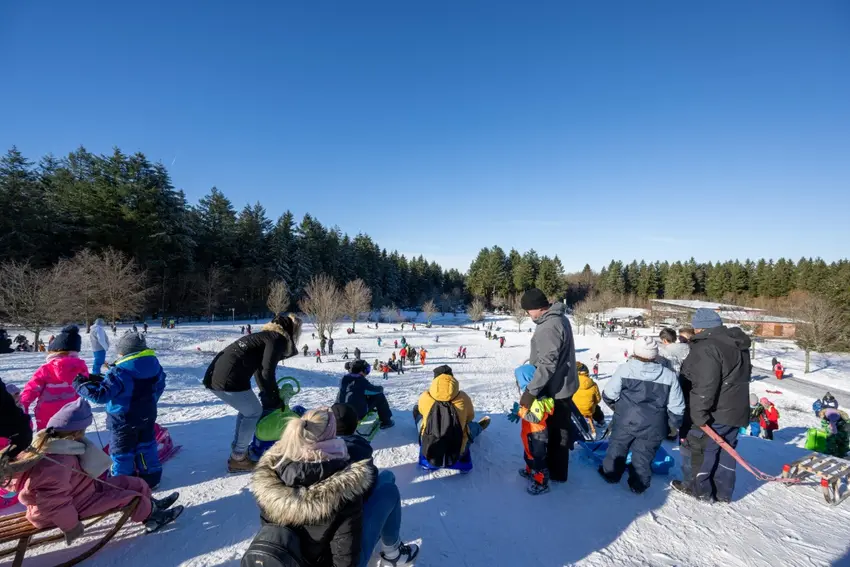
Now that the temperatures have dipped into sub-zero territory, and southern Germany has seen plenty snow, it's definitely time to dig out your winter wardrobe.
For those of you coming from warmer climes, I would advise taking inspiration from the Germans on your cold season clothes.
Like some other northern European countries, Germans live by the saying: Es gibt kein schlechtes Wetter, nur schlechte Kleidung (there is no such thing as bad weather, only bad clothes).
It may be tempting to simply put on the warmest clothes possible at any hint of winter but there is an art to it - layering is key.
You should try and find thermal items as a base layer and then layer warm trousers, a top and a cosy sweater or knitwear plus a winter coat on top. Of course you can adjust the amount of layers depending on how cold it is.
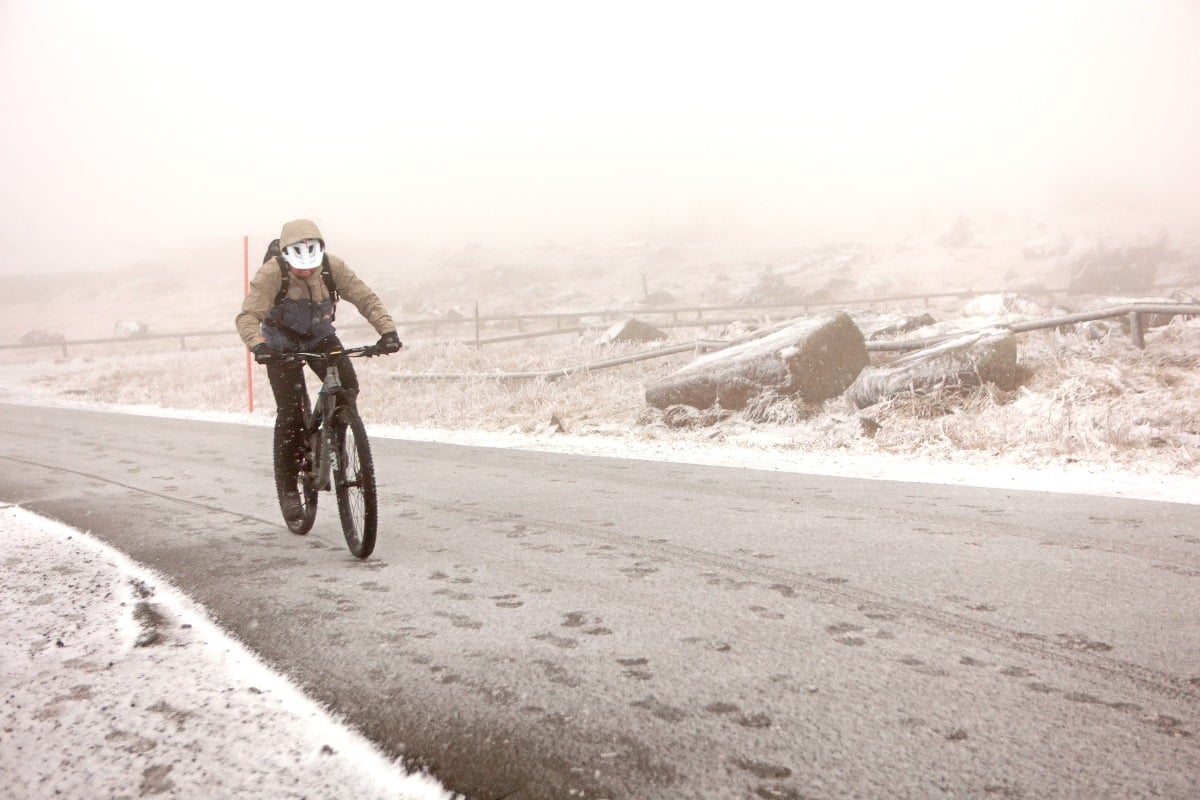
Germans wear scarves pretty much all year round so of course make sure you have a warm one for winter, along with sturdy gloves and a hat. Top that off with good winter boots and you'll be set for your two-hour weekend hike in the freezing cold.
The added convenience of layering means that you can easily take some of the layers off when you inevitably get too hot as soon you enter somewhere with the heating blasting.
If you have young children, take a tip from the Germans and get them into a snowsuit. You know it's properly cold when the kids are out and about in their snowsuits.
Merkel's life in words
It's been a while since Angela Merkel was in the spotlight. She stood down as German Chancellor back in autumn 2021 and has largely stayed away from politics and public life since then.
But those who are interested can soon head back in time to learn how Merkel, now 70, experienced her time in office, and life in East Germany.
Merkel's memoir - Freedom: Memories 1954-2021, which has been co-written by her longtime adviser and chief of staff Beate Baumann - is being released on Tuesday November 26th in both German and English.
This week we got a taste of what to expect. According to excerpts published in Die Zeit, Merkel tells readers about the "absurd" lessons on the East German state's Communist ideology she had to deal with at university while studying physics.
Exclusive extracts from Angela Merkel‘s autobiography ’Freedom‘, three years after she left office, in today‘s @DIEZEIT pic.twitter.com/B3SolRxL0E
— Kate Connolly (@connollyberlin) November 21, 2024
Merkel also defends her decision to maintain close ties with Russia and her decision to block Ukraine and Georgia from joining NATO in 2008.
She said she understood why these countries wanted to join, but said countries already in NATO had to consider the effect of each potential new member on its own "security, stability and ability to function".
On meeting US President-elect Donald Trump in 2017, Merkel said Trump was "clearly very fascinated by the Russian president".
"In the years that followed, I had the impression that has was captivated by politicians with autocratic and dictatorial tendencies," writes Merkel.
Do you plan to read Merkel's memoir? Let us know.
Comments