

Living in a foreign country can be overwhelming and even downright scary at times. When you're unfamiliar with how things work or don't know where to turn in a crisis, everyday problems can sometimes feel like catastrophes.
Though it may not always seem like it, Germany does have a big network of organisations on-hand to support foreigners with whatever life throws at them. Whether you're troubleshooting immigration problems, looking for a job or trying to secure a nursery school place for your child, there are plenty of places you can find great advice and support in the Bundesrepublik.
Here are some of the main organisations every foreigner in Germany should know about.
Bundesagentur für Arbeit (BA): A jobseeker's best friend
When embarking on a job hunt in Germany, the Bundesagentur für Arbeit - known in English as the Federal Employment Agency - should always be your first port of call.
While they are also responsible for managing unemployment benefits, the main goal of the BA is to help as many people as possible find their footing in the world of work. This includes offering expert, free-of-charge advice to foreigners on all aspects of living and working in Germany, including getting qualifications recognised, undergoing vocational training and improving your German skills.
Beyond this initial support in finding your bearings, you can also find a huge range of job listings on the BA website in multiple sectors. Unfortunately, this is only available in German at the present, though you can translate everything into English using a browser plugin.
If you're missing some vital skills or are interested in changing direction in your career, the BA is also the go-to place for securing a training voucher. This covers the expenses of training courses, as well as ancillary costs like travel, accommodation and childcare while you are undergoing training.
Lohnsteuerhilfeverein: Your budget tax consultant
Most foreigners in Germany shudder at the thought of having to fill in a tax return, but not many want to shell out hundreds of euros each year to enlist the help of a tax consultant.
Enter the Lohnsteuerhilfeverein - or income tax support association - which offers similar services to a tax advisor but for a fraction of the cost. Rather than paying for services individually, you simply pay an annual membership fee based on your income, ranging anywhere from €39 for the lowest earners to around €385 for top earners.
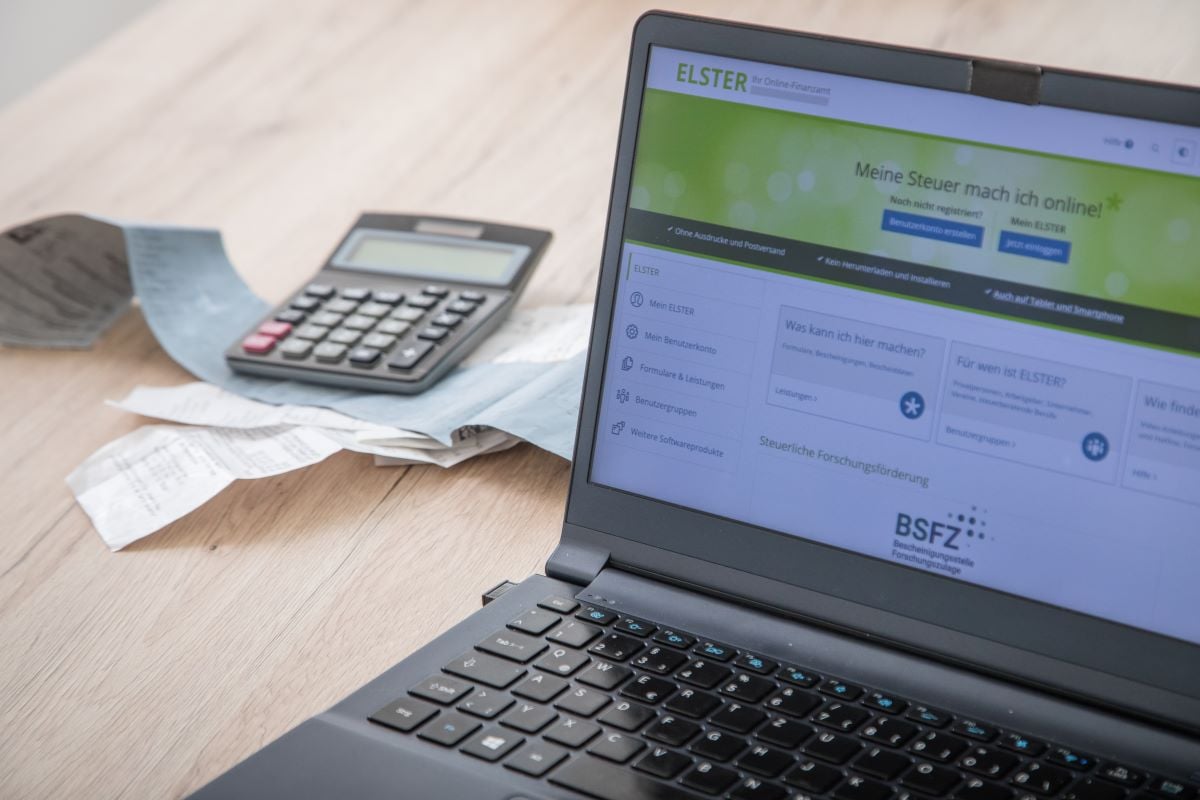
Once you're in, the association will compile a tax return for you just like a tax consultant would, taking into account all the relevant deductions that can help you lower your tax bill. They'll also be on-hand to offer you tailored advice on your taxes all year round.
Make it in Germany: Everything on immigration
If you've ever sought advice on moving to Germany, you've probably stumbled across the Make it in Germany website. Available in multiple languages, this is the official website serving foreign skilled workers who are hoping to settle in the country.
Not only can you find wide-ranging advice on education, work, immigration and life in Germany on the website, but you can also get personalised support in English or German by phoning their dedicated hotline. Helpfully, Make it Germany also has a multilingual version of the BA jobs board available on the site, as well as a useful list of places to search for jobs in English.
READ ALSO: Where to get free immigration advice in Germany
Volkshochschule (VHS): Adult learning and German classes
Whether you're brushing up your German or nurturing a newfound woodworking hobby, lifelong learners living in Germany should also know the location of their nearest Volkshochschule.
These wonderful institutions were established in Germany way back in 1918 and flourished in the Weimar Republic as a way to foster inclusive learning, encourage social exchange, and help people live more meaningful lives.
Nowadays, they offer heavily subsidised courses of all varieties, including intensive, evening and weekend German courses. If you're applying for citizenship, your Einbürgerungstest (citizenship test) is also likely to take place at a VHS near you - so that's another reason to get familiar with it.
Deutsche Akademische Austauschdienst (DAAD): For financing your studies
For international students in Germany, the Deutsche Akademische Austauschdienst (DAAD), or German Academic Exchange Service, is a lifeline for funding and resources. DAAD offers a plethora of scholarships for undergraduate, graduate, and doctoral students - many of which are barely applied for - so checking out what's on offer could be well worth your while.
READ ALSO: How to finance your master's studies in Germany as an international student
In addition to financial support, the DAAD website is a treasure trove of information on study programs, research opportunities, and tips for navigating academic life in Germany. DAAD also collaborates with universities to organise orientation programs and networking events, helping international students settle into their new campus and academic life.

Caritas: Advice for vulnerable groups
Caritas is one of the most prominent welfare organisations in Germany, providing support to vulnerable individuals and families, including foreigners and refugees. They provide counselling on multiple topics, from housing to integration, and though advice sessions are generally held in German, you can occasionally find multilingual advisors too.
Beyond legal advice and counselling, Caritas also offers language courses and emergency aid. Their offices are spread across Germany, making it easy to find help nearby.
Mieterbund / Mieterschutzverein: Support with tenants' rights
Though Germany is known for having strong rental protections, navigating the rental market in Germany can be daunting and confusing. To ensure you're being treated fairly, the Mieterbund (German Tenants’ Association) and Mieterschutzverein (Tenant Protection Association) are there to help.
These organisations provide expert advice on all things related to renting, from understanding your lease agreement to resolving disputes with your landlord. For a nominal membership fee, you can access legal support, mediation services, and detailed information on your rights as a tenant.
In many cases, they can also be helpful when it comes to lowering your rent or challenging a rent hike - so the membership fee is well worth it in the long-run.
READ ALSO: How a 'Mieterverein' can help you reduce your rent in Germany
While the Mieterbund is the federal umbrella organisation, local Mieterschutzvereine - or tenants' associations - offer localised support. You can find your nearest one by searching for your city name or district and 'Mieterschutzverein' or 'Mieterverein' online.
ADAC: Helping you get around
If you plan to drive or tour in Germany, ADAC (Allgemeiner Deutscher Automobil-Club) is an organisation that can make your life a whole lot easier. As the country’s largest automobile club, ADAC offers a host of services that can help motorists save money and plan hassle-free trips around the country.
From roadside assistance to comprehensive insurance and route planning services, ADAC is the go-to place for all things related to travelling by car. They even provide international driver’s licenses and tips for navigating German traffic laws, as well as an app that helps you find the cheapest fuel.

Of course, if you're not a driver, you may consider joining the Allegemeiner Deutscher Fahrrad-Club (ADFC) instead. As well as legal protection and advice, ADFC offers roadside help for cyclists who suffer breakdowns or accidents. They also publish a quarterly magazine for members and carry out lobbying work to push for better cycling infrastructure around Germany.
de:hub: Advice and networking for startups
In recent years, Germany has been blossoming into a true hotspot for startup founders, and the government's recently established Digital Hub Initiative (de:hub) is there to support entrepreneurs in their journey. Spread across 12 cities, de:hub offers a network for innovators in up-and-coming industries, from fintech to health tech.
As a member of a hub, startups can benefit from workshops, funding opportunities, and an ever-growing network of contacts. Additionally, they provide co-working spaces and mentorship programs designed to help new businesses scale quickly. Whether you’re just starting out or looking to grow, de:hub’s resources and connections can make a significant difference.
READ ALSO: What startups should know about Germany's new 'digital hub' cities
Mbeon: Digital advice for migrants
If you're looking for a quick and easy way to access reliable immigration advice, Mbeon should be a name you remember. This digital tool is tailored for migrants in Germany who need advice on integration-related matters but don't have time to attend an appointment in person.
The Mbeon app connects users with certified advisors who can answer questions about work, residence permits, health insurance, and more – all through a secure, chat-based platform.
Available in multiple languages, Mbeon is a discreet and convenient way to get reliable information without needing to visit an office in person. It’s especially useful for people with a busy schedule who prefer quick and direct communication with experts.
 Rachel Loxton

Comments (2)