
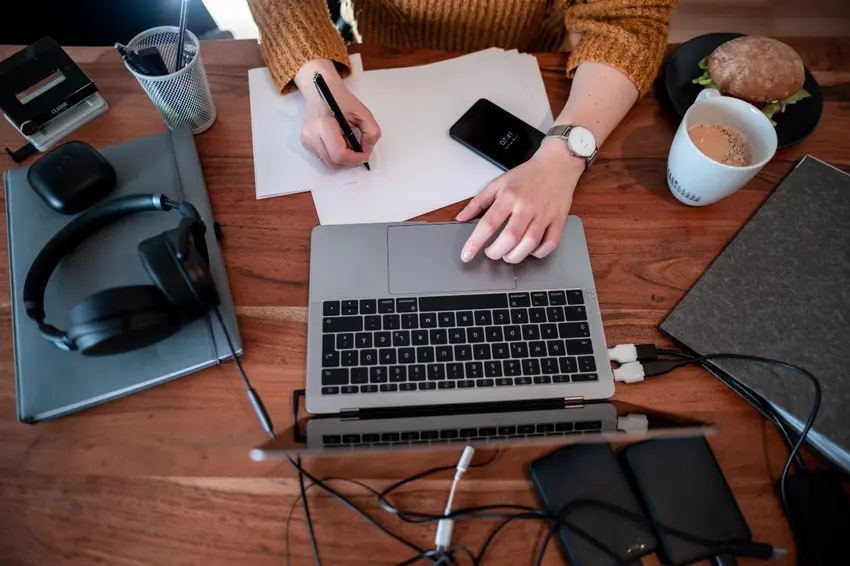
Over the past few years, remote and hybrid jobs are increasingly becoming the norm. Instead of a lengthy commute to the office, many employees are simply able to open their laptop at home and kick off their working day.
This boom in remote working has also fuelled the digital nomad movement, where freelancers travel the world and embrace the freedom to work from anywhere.
For those who need nothing but a reliable internet connection to do their jobs, working from Germany can be an exciting and attractive prospect. You may dream of working from a cafe in picturesque Munich and skiing in the Alps on weekends. Or you may want to experience the eclectic buzz of hip Berlin while building a new freelance business.
Wherever you plan to spend your time, getting the relevant residence permits for living and working in Germany are vital if you want to stay above the law.
These are some of the routes you can take if you want to work in Germany remotely.
Working for a remote employer in Germany
Perhaps your employer has given you the greenlight to work from anywhere, or your partner has received a job offer in Germany and you'd like to move with them. If you already have a job, can you simply pack up and start working overseas instead?
Unfortunately, it's not quite that simple. If you don't have EU citizenship, you'll need a permit to live and work in Germany, and that often depends on having a job offer from a German company.
There are some exceptions to this for citizens of certain countries, including Australia, Canada, Israel, Japan, Korea, New Zealand and the UK. According to German law, nationals of these countries can work for a foreign employer while living in Germany, though there are a number of conditions that would need to be met before they can secure a work permit.
The most important thing to understand is that any company employing people in Germany has to provide a work contract that complies with German employment law. That means they would have to pay half of all your social insurance contributions and offer you legal rights such as unlimited sick days, at least 20 days annual leave and fourteen months of paid parental leave.
READ ALSO: How does Germany decide if I'm a tax resident in the country?
It can also be useful for employers to set up a satellite office in Germany, although this isn't strictly necessary. If you're relying on your job in order to obtain a residence permit, you and your employer may also need to make the case that you need to be in the country for a specific purpose.
Of course, while living in Germany you would also be liable for paying social security contributions and would also need to pay taxes here.
Given the complexities and pitfalls of working for a remote employer in Germany, people in this situation would be well advised to work with a specialised law firm or tax consultant to guide them through the process.
Moving to Germany as a freelancer
For people who are self-employed, living and working remotely in Germany can be a lot simpler, but you will still need to make sure you have the right permit if you want to legally work here.
The easiest way to do this is to apply for a freelance visa, which is granted to pretty much anyone who carries out their profession independently, including journalists, translations, designers, consultants, lawyers, psychotherapists, doctors and architects.
As a prerequisite for getting a German freelance visa, you'll need to prove that you have the relevant certifications and qualifications required for carrying out your profession. You'll also need to show that there's interest for your services, which usually involves getting letters of intent from potential clients in Germany.
In addition, freelancers need to show they have enough money in their bank accounts to live comfortably in Germany, and people over the age of 45 will have to show some kind of provisions for their pension.
Depending on where you come from, you may have to apply for a freelance visa in order to enter the country. While here, you would then need to register as a resident and apply for a freelance residence permit at your local immigration office.
If you're from a country such that has a 90-day visa-free agreement with Germany such as Brazil, Japan, the UK or the US, you can skip the first step and simply apply for your residence permit while you are here.
Does Germany have a digital nomad visa?
Unlike some other European countries, Germany hasn't yet created a special visa designed for digital nomads.
Instead, jetsetters who work remotely will need to apply for a freelance visa or Berlin's special artists' visa, which is a version of the freelance visa aimed at musicians, writers and artists that tends to be granted more quickly.
Of course, people who are only in Germany for a short period of time often rely on slipping under the radar rather than going through the official channels. If you're travelling under the Schengen 90-day rule, who's really going to know if you happen to carry out a few client projects from Cologne or Hamburg?
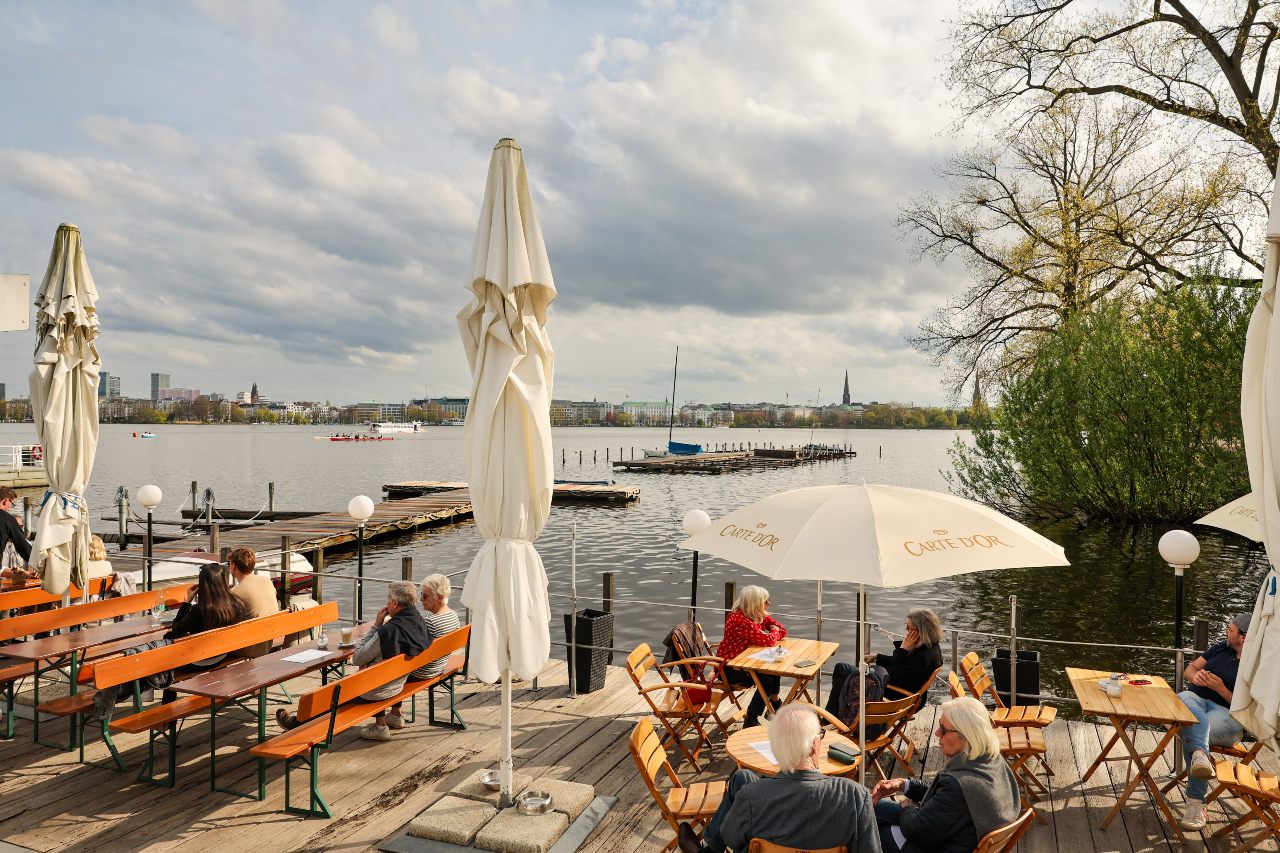
Although you're unlikely to be found out, you would be breaking the law by working in Germany - and there could be severe consequences like deportation and a long ban from entering Schengen if you get caught.
READ ALSO: Working remotely in Germany - What are the rules for digital nomads?
Other ways to live and work in Germany
If none of the above options seem right for you, there may be other options for obtaining a German residence permit in order to work remotely.
For example, if your spouse is employed by a German company or has a German job offer, you can apply for a family reunification visa that allows you to live and earn a living in Germany.
Once again, any remote employer would still have to comply with German employment laws, so it's best to seek out professional advice if you want to take this option.
For people already living and working in Germany, applying for citizenship or permanent residency will also give you far more flexibility to work for foreign companies or clients.
With a German passport or long-term residence permit, your residence status isn't pinned to your job, so you can far more easily set yourself up with the remote, flexible working schedule that suits you best.
READ ALSO: How German citizenship differs from permanent residency
Comments