
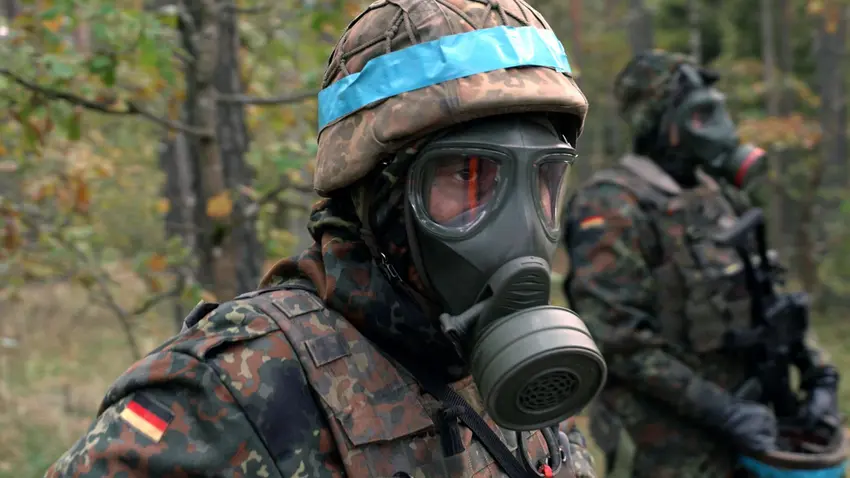
As Europe faces the threat of an increasingly bullish Russia, Germany has been struggling with the question of whether its military is fit for purpose.
Beyond threadbare equipment and insufficient funding, one major problem has been staffing - and this is one problem the government is hoping to solve over the coming years.
On Wednesday afternoon, the cabinet approved proposals for a new type of military service that could come into force as early as spring next year. It will affect young men who are set to turn 18 in the coming years, with young women also able to participate in the scheme voluntarily.
Speaking to DPA ahead of the vote, Defence Minister Boris Pistorius (SPD) said the new Military Service Act would enable the government to reintroduce a military registration system that hasn't existed since compulsory service was scrapped back in 2011.
"With the suspension of military service, defence registration and monitoring have been destroyed, even though the state is legally obliged to do so," he explained.
Pistorius said the new model was "our response to the changing threat situation in Europe".
"With this law, we are setting the course for increasing our deterrence and defence capabilities."
How will the new system work?
Though the plans mark a significant shift in policy, the government has stopped short of re-introducing compulsory military service for everyone.
Instead, 18-year-olds will be sent a questionnaire asking them about their interest in the army as well as their health and physical abilities. All young men will be required to return the questionnaire, while for women it will be voluntary.
Based on their answers, a contingent of young men and women will then be invited to a selection process.
The strongest candidates will be recruited for an initial six-month stint of military service, with the option of extending their training for up to 23 months.
Recruits will also be paid a base salary of €1,800 per month during their training, with up to €200 more on the table in some circumstances.
READ ALSO: Is Germany gearing up to reintroduce compulsory military service?
As Pistorius made clear, this is primarily about understanding who is willing and able to serve in the military and finding enough young recruits to avoid a compulsory service model, though this would come into force in the event of a war.
Since Germany's Basic Law only allows for the mandatory recruitment of men into the army, the focus is on young men aged 18 and over at present, though women can be recruited on a voluntary basis.
How many young people will be recruited each year?
There are currently around 15,000 spots in the Bundeswehr for training voluntary conscripts - but 5,000 of these regularly go unfilled.
However, the government has made clear that it still doesn't have the infrastructure - things like accommodation and equipment - to increase the number of training places drastically overnight.
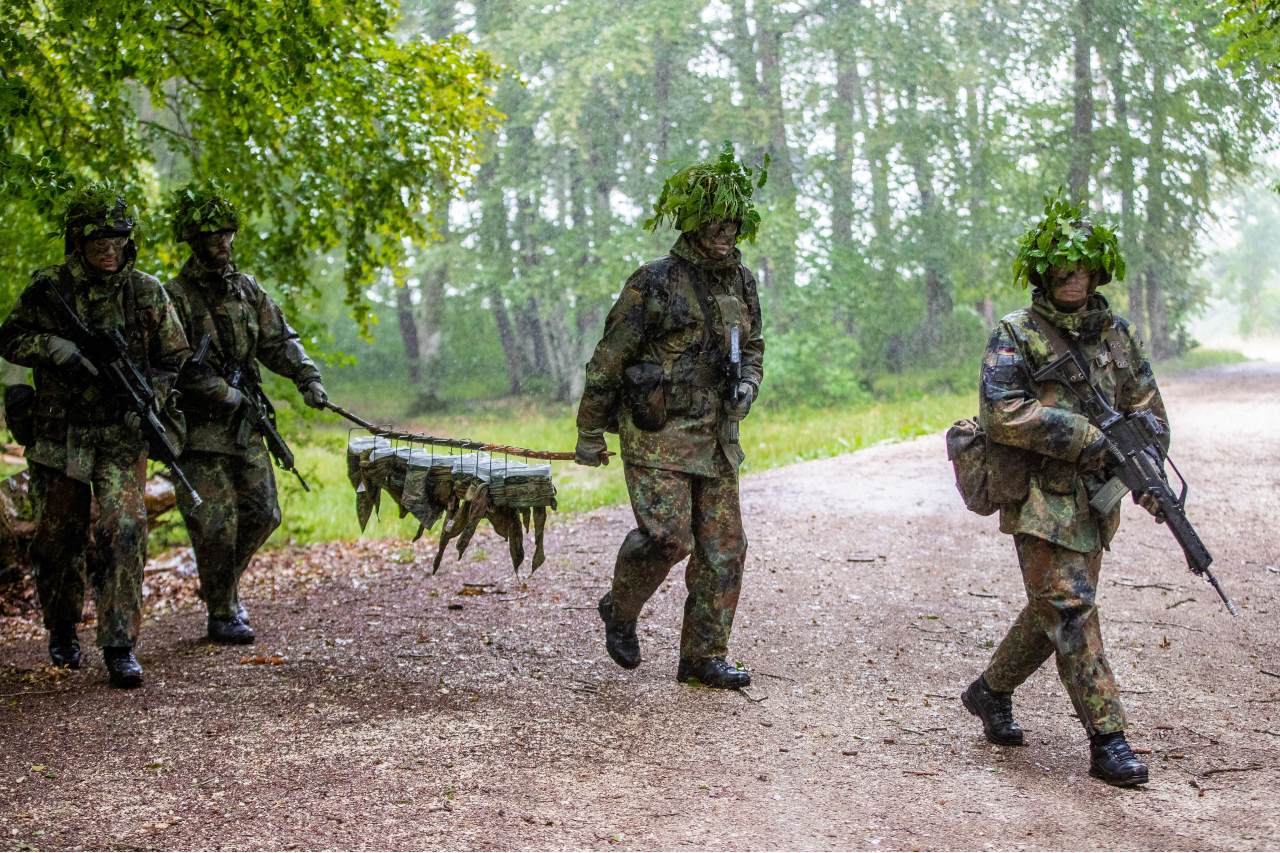
At the moment, the plan is to create an additional 3,000 training places annually. This would represent around one percent of the some 300,000 men who come of age in Germany every year.
Why is this happening now?
Since Russia launched its full-scale invasion of Ukraine back in February 2022, fears have been growing in Germany about the state of its military response capabilities.
Shortly after the outbreak of the Ukraine war, Chancellor Olaf Scholz (SPD) gave a famous speech announcing a "Zeitenwende" (historic turning point) and pledging an additional €100 billion to modernise and improve the Bundeswehr.
However, experts have repeatedly warned that this cash injection only scratched the surface of a military that has suffered from years of neglect and underfunding.
At the same time, the number of full-time soldiers has been falling lately, and even slipped below 180,000 back in June. In addition, Germany has 60,000 reservists who have firmly committed to serving if needed.
This is nowhere near as high at the targets set by NATO, the international defence alliance of which Germany is a member.
"In the long term, Germany's contribution to the defence of the Alliance requires a total of around 460,000 soldiers," said Pistorius. "A large proportion of these, namely around 260,000, must be able to come out of the reserves."
The shock election of Donald Trump as the US president-elect on Wednesday has also increased pressure on Germany to step up its military capabilities.
READ ALSO: How Germany is reacting to US election results
Trump has repeated aired scepticism of NATO and claimed that the US would let Russia "do whatever the hell they want" to countries who don't meet their defence commitments.
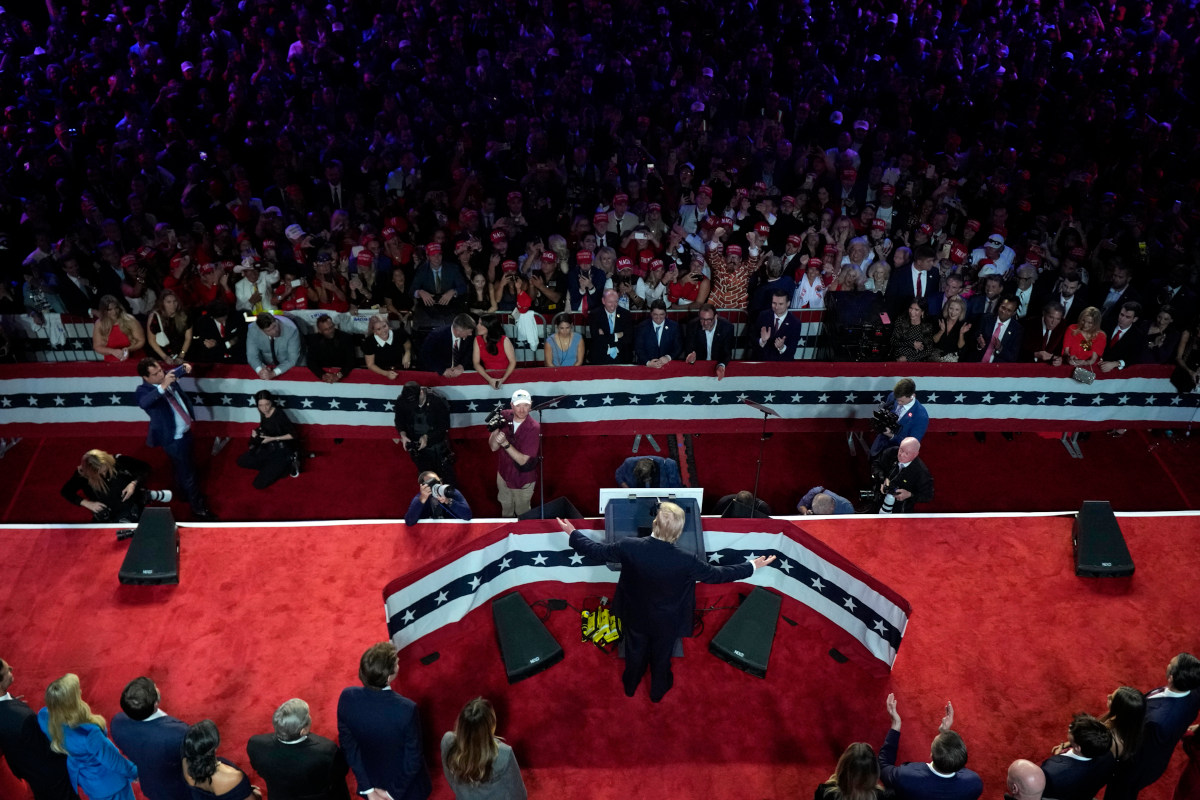
When the former reality TV star once again takes the reins of the most powerful military force in the world, there is grave uncertainty in Europe over how much he will commit to supporting his allies' security interests.
In a statement put out on Wednesday, Foreign Minister Annalena Baerbock (Greens) indicated that Berlin is expecting Trump's US to take a much less proactive role in international defence.
"For me, and for us, it is clear that we Europeans must now assume even greater responsibility for security," Baerbock said. "Today, tomorrow and the day after that."
Against this backdrop, Germany's move to boost conscripts to the army support its wider aims to increase its independence from a much more volatile United States.
Will the breakdown of the traffic-light coalition affect the plans?
That's still unclear, though the Defence Ministry is hoping that the changes will survive the tumultuous breakdown of the three-party coalition and a potential set of new elections.
Following Scholz' surprise sacking of Finance Minister Christian Lindner (FDP) on Wednesday night, the Social Democrats and Greens have agreed to hobble on as a minority government without their liberal partners, as well as seeking talks with the centre-right CDU and CSU.
That means the military service bill will head to the Bundestag and Bundesrat as normal, where it could still pick up votes from the FDP and even the opposition CDU and CSU parties, who support investment in the military.
If passed, the new law could come into force in May next year - potentially under a brand new government.
READ ALSO: Germany may face early elections as coalition government collapses
Comments