
Stretching from wooded Thuringia in the north to the Austrian border in the south and Czechia in the east, Bavaria stands out in Germany as a region with a distinctive identity.
Whether they describe themselves as Frankonian, Swabians or Bavarians, locals in the southern state are united by a fierce pride in their unique traditions and customs. From their sing-song dialect to Dirndls and Lederhosen, nothing in Bavaria is quite like it is elsewhere - and the same goes for the dishes you'll find on the menu in any local Gaststätte.
If you're visiting this fascinating part of the country - or if you happen to live here - it's well worth stepping out of your comfort zone and sampling some of these regional specialities.
READ ALSO: 16 regional foods to try in each German state
Here's our pick of some of the most mouthwatering dishes that Bavaria has to offer.
Münchener Weißwurst mit Brezn
When it comes to kicking off a day of sightseeing in Munich, there's no better breakfast than the traditional Bavarian one.
Before midday, many locals are known to enjoy a hearty dish of silky soft Weißwürste accompanied by sweet mustard and a gigantic salt-encrusted pretzel.
If you've never heard of it, a Weißwurst - or white sausage - is a delicate type of sausage that originated in the southern region. As the name suggests, it has a much lighter colour than ordinary sausages, and it is traditionally made with veal, though pork is sometimes added to the mixture.
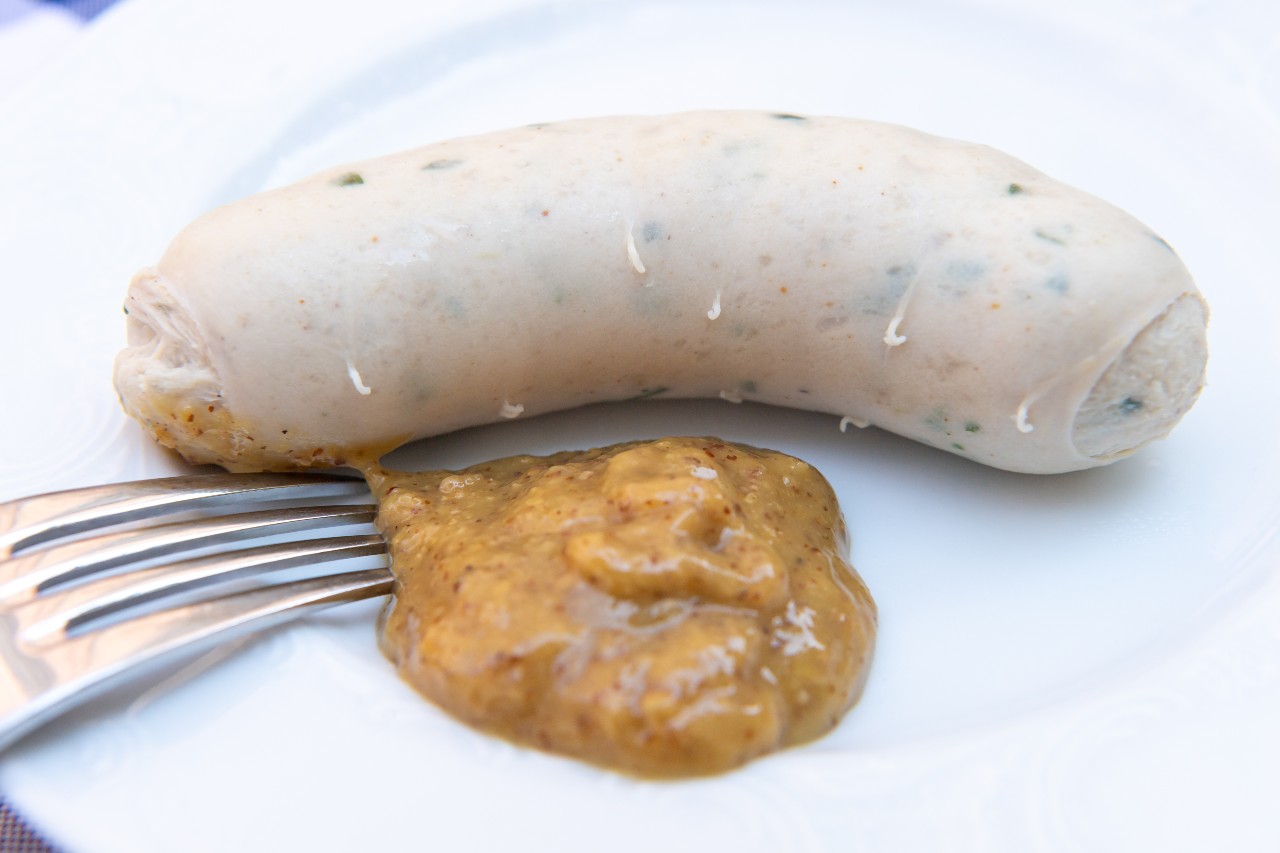
Many locals like to wash down their breakfast with a refreshing Helles - but if beer for breakfast feels like a bridge too far, you'll be pleased to know that many restaurants now serve this dish throughout the day.
Obatzter
Just like elsewhere in Germany, Brotzeit is a popular custom in Bavaria, where cold cuts, cheese, pickles and other small plates are enjoyed with bread as a simple meal.
In Bavaria, a particularly popular accompaniment is Obatzer: a tangy dip made from cheese, beer and various seasonings.
Like many of the best inventions, this scrumptious spread was actually invented by accident: back in the 1920s, the landlady of a local tavern - or Bräustüberl - in Freising found herself with far too much camembert and no way to store it, so she decided to use it to create a new afternoon snack for her guests.
These days, the aromatic dish can be found on tables all over Bavaria at Brotzeit, often served with pickles and an enormous pretzel.
READ ALSO: 9 incredible foods you have to try while visiting Frankfurt
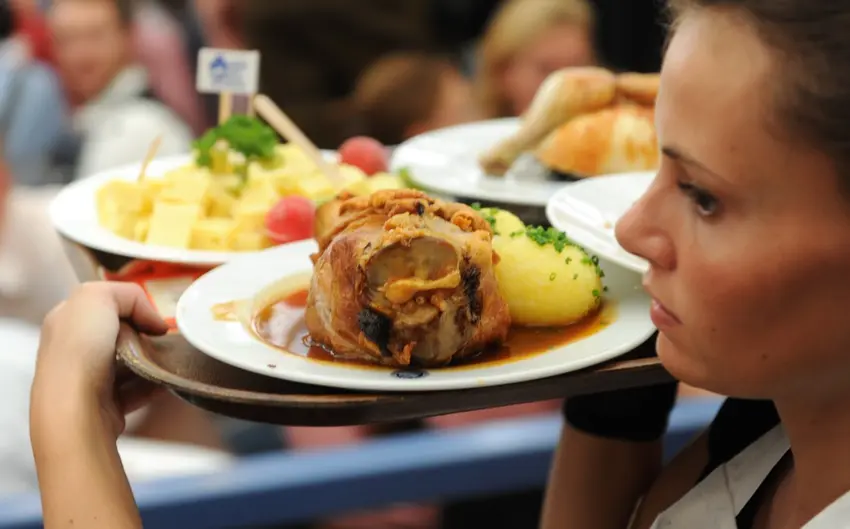
Schweinshaxe mit Semmelknödel
Though it may look intimidating on first glance, there's no dish quite so satisfying as a Bavarian Schweinshaxe, or pork knuckle - especially after a brisk hike in the mountains. This hefty cut of meat is generally served with a thick gravy and dumplings or cabbage on the side, making it as filling as it is delicious.
In different regions of Germany, there are several different names for this dish and several ways to serve it. For an authentic Bavarian experience, however, look out for Schweinshaxe with Semmelknödel: warming bread dumplings served with lashings of gravy in dishes such as Schweinshaxe and Schweinbraten (roasted pork).
Allgäuer Kässpatzen
One for the vegetarians and cheese fanatics, Käsespätzle is one of the most beloved dishes to come out of southern Germany, and regional variations of it can be found as far afield at Switzerland, Austria, Lichtenstein, Upper Bavaria, and Baden-Württemberg.
In Bavaria, the alpine Allgäu region - known for its aromatic cheeses - is where Käsespätzle truly comes to life. Soft, chewy noodles are served in a zingy mixture of melted cheese, with Allgaüer, Bergkäse, Emmentaler and Weißlacker all popular choices.
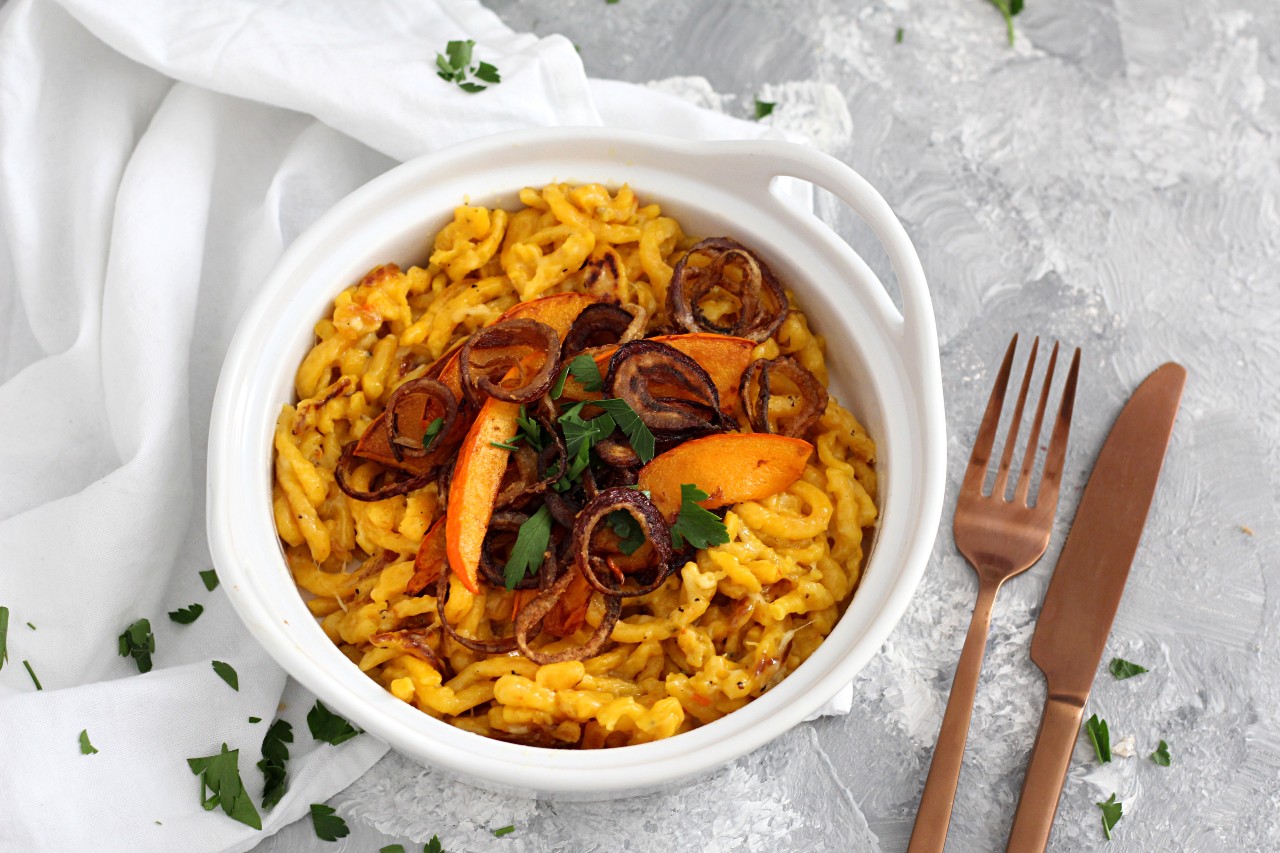
One taste of this indulgent dish will immediately transport you to the picturesque Alps, surrounded by fresh green fields and the peaks of snow-tipped mountains.
READ ALSO: The food and drink you need for a German Christmas feast
Bayerische Leberkäse
OK, we admit it: 'liver cheese' doesn't sound particularly appealing, but to try Leberkäse is to love it. Essentially a German meatloaf, Leberkäse is formed out of finely-ground beef, pork and bacon and baked into the oven until it forms a delicious golden crust.
The best thing about this dish is just how versatile it is: you can enjoy it in a crispy roll with sweet Bavarian mustard, pan-fried with an egg and potato salad as a hearty lunch, or roasted with a dark gravy as a comforting dinner dish.
It's no wonder that Leberkäse is a staple of any Bavarian diet.
Bruckbam
While many of Bavaria's most famous dishes come from mountainous Upper Bavaria, Bruckbam is a hearty peasant's dish that stems from the eastern region known as Lower Bavaria.
It consists of huge, fluffy potato noodles, baked in the oven with a mixture of sour cream, eggs and lard. The potatoes are then served with a crunchy cabbage or green salad as a simple, cheap and satisfying meal at any time of day.
Grießnockerlsuppe
Also a staple in Viennese restaurants, Grießnockerlsuppe - or semolina dumpling soup - is a deliciously warm and comforting dish to be enjoyed on frosty winter's evening.
This simple soup generally consists of no more than a few ingredients: a translucent beef broth, semolina gnocchi and chives, with a dash of nutmeg.
Once you have this base, however, the world is your oyster, and many Bavarians will also chuck in a generous helping of fresh vegetables such as carrots, onions and broccoli for an extra dose of vitamins during cold season.
For an extra tasty version of this dish, look out for 'gebrannte' Grießsuppe: a preparation method that involves browning the delicious dumplings before serving them in the soup.
Steckerlfisch
Just like the name suggests, Steckerlfisch is - quite literally - a fish on a stick. But bear with us, as this one truly is a must-try.
Especially popular at folk festivals like Oktoberfest and in beer gardens along the Danube, Stecklerfisch is whole fish (often mackerel, trout, or char) marinated with spices and then skewered on a stick.
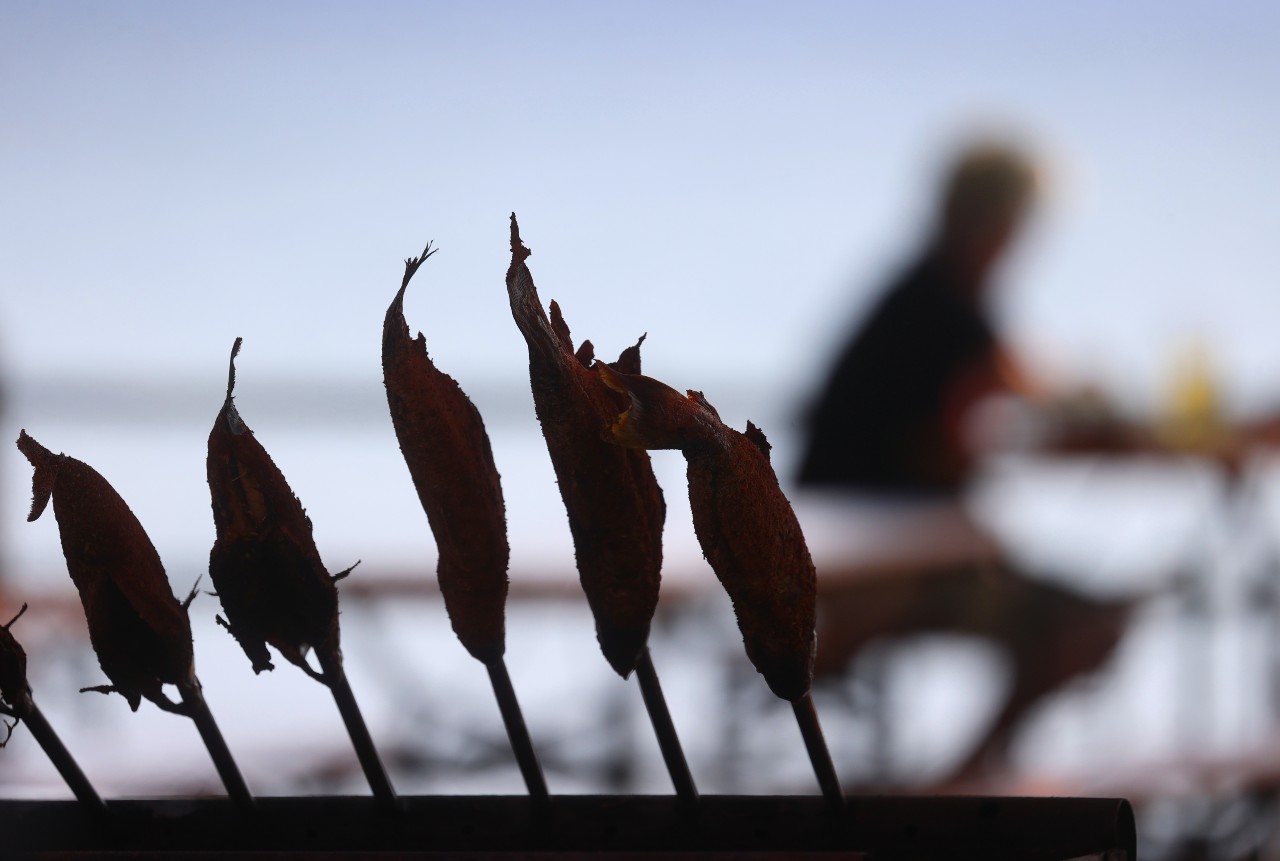
The fish is grilled over an open fire until the skin is crispy and golden brown, giving it a deliciously moist taste and irresistable aroma. It's best enjoyed in the outdoors in summer or early autumn as a succulent afternoon snack, washed down with a crisp Bavarian Helles or a glass of Riesling wine.
Bayerische Creme
Moving on to desserts, Bayerische Creme is Bavaria’s answer to classic European custards, offering a light and airy finish to a hearty meal. This silky-smooth dessert - typically flavored with vanilla and sometimes spiced up with a dash of fruit liqueur - is made by folding whipped cream into a delicate vanilla custard.
This sweet treat is often served with fresh berries or fruit compote as a refreshing palate-cleanser - a surprisingly elegant end to a stodgy Bavarian feast.
Prinzregententorte
Named after Prince Regent Luitpold of Bavaria, Prinzregententorte is a show-stopping, multi-layered chocolate cake that has become a Bavarian icon.
This decadent treat consists of wafer-thin layers of sponge cake, each slathered with chocolate buttercream and coated in a shiny chocolate glaze.
READ ALSO: 10 classic sweet treats to try at least once in Germany
The cake’s precise layers and rich flavors make it a feast for both the eyes and the palate, reflecting the opulence and impressive techniques that are found in Bavarian baking. Sold at bakeries all across Munich, it's the perfect option for a Kaffee und Kuchen break while you take time out from the hustle and bustle of the city.
Comments