
For those living elsewhere in the country, eastern Germany is a region plagued by negative stereotypes. While places like Cologne and Frankfurt are generally seen as vibrant and cosmopolitan, the former GDR states are often written-off as run-down areas with few economic opportunities and a resentful, xenophobic population.
The skyrocketing support for the far-right AfD in eastern state elections in recent years has only confirmed these stereotypes, leading many internationals to steer well clear of the so-called 'new' federal states.
But for foreigners who live in eastern Germany, the picture is far more nuanced - and there are many positives to settling in the region.
'Authentic German experience'
When we asked our eastern Germany-based readers whether they would recommend moving to the region, an overwhelming 69 percent said they would, compared to 31 percent who said they wouldn't.
For many, the major draw of living in the east was the gentle and relaxed pace of the life, with residents relishing the peace and quiet that could be found in less industrial and built-up environments.
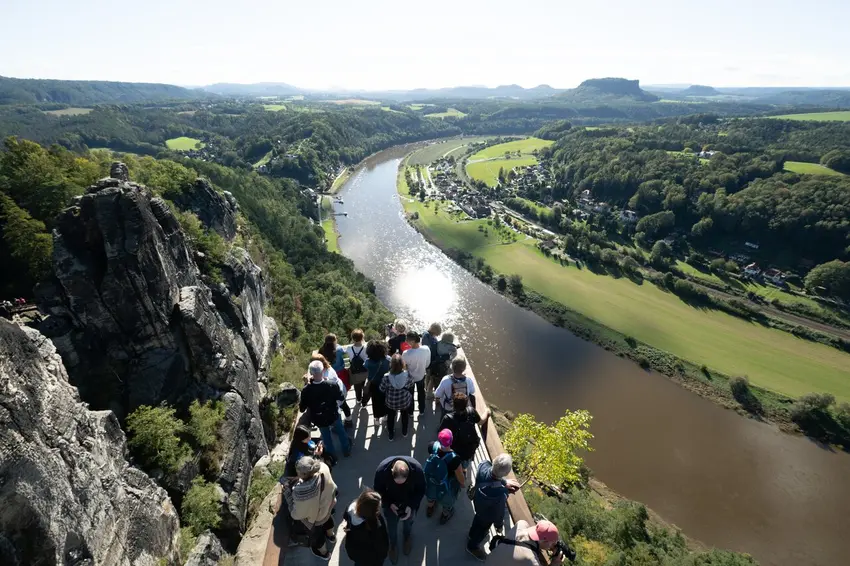
The stunning natural scenery to be found in places like Saxony, Thuringia and Mecklenburg Western-Pomerania was also cited as a major draw, with readers mentioning the breath-taking Saxon Switzerland and Thuringian forests in particular.
"Eastern Germany is so green with its many forests and mountains with incredible views, or simply somewhere to relax and unwind, embark on the many hiking trails," said 48-year-old Michelle, who is originally from the UK but currently lives in Thuringia.
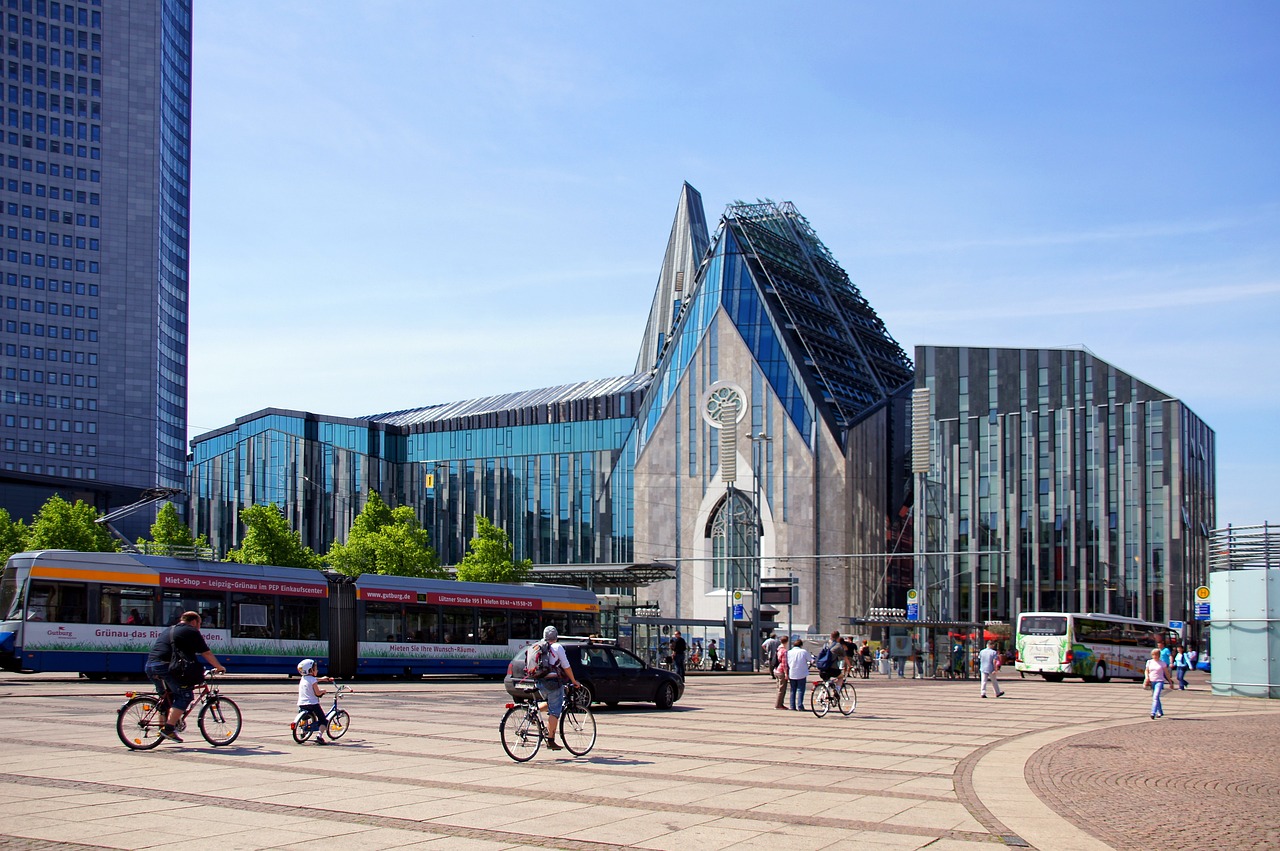
"Eastern Germany seems to maintain its historical architecture and buildings," she added. "Dresden. Leipzig. Erfurt. Just beautiful."
US citizen Tendai, 31, who moved from Frankfurt am Main to Halle, also mentioned the picturesque architecture and landscapes in the eastern states, adding that the crime rate in the region also felt lower than in the west.
As well as being close to central Europe, she said, living in the east felt like an "authentic German experience".
For Tendai and many others, the low cost of living and the relative ease of finding housing was also a major draw of living in eastern states, as well as some of the charming smaller cities.
READ ALSO: 'Trial living' - How East Germany's empty towns are trying to lure people
Remmi Baker, a US citizen who lives in Leipzig, described the Saxon city as an "amazing lighthouse" in the east of the country.
"While gentrification is occurring, there are also underground efforts to preserve the punk, techno scene," she told us. "It is also a friendly city where it is easier to socialise and make friends with the locals, even on Sundays!"
Poor infrastructure and derelict buildings
For all the positives of settling in less well-trodden corners of the country, however, it seems that some stereotypes about the eastern states hold true.
Though decades have passed since reunification, the former GDR still suffers from a sense of neglect, with fewer economic opportunities, dilapidated buildings and a lack of public transport and airport links, our readers told us.
"There are definitely lower salaries and fewer career opportunities or progression compared to the west," Thuringia resident Michelle explained. "It can seem very quiet, some towns or villages look almost abandoned. Lots of derelict areas and buildings, left in ruin or unkempt. Empty shops. And graffiti is literally everywhere."
Liz, a 49-year-old Gambian who lives in Greiz, painted a similar picture of disuse and decay.
"There are no industries, no investors," she said. "Shops are closing down, most houses are empty, and there's no night life in most small cities."
Some readers also pointed out the strong east/west divide in salary expectations and mentioned that the poor earning potential in the east had caused exodus of young, educated workers.
However, Z.V., a Croatian who lives in both Cottbus and Berlin, said lower wages were generally balanced out by the low cost of living.
"Wages are comparatively lower but the life standard is cheaper, so it kind of balances out," they explained.
Others cautioned that the former east could be a difficult place to settle for non-German speakers and complained about the xenophobia and discrimination levelled at foreigners.
“Some of my friends have encountered racist discrimination and hate speech,” said Cottbus resident Alex, who is originally from Hong Kong.
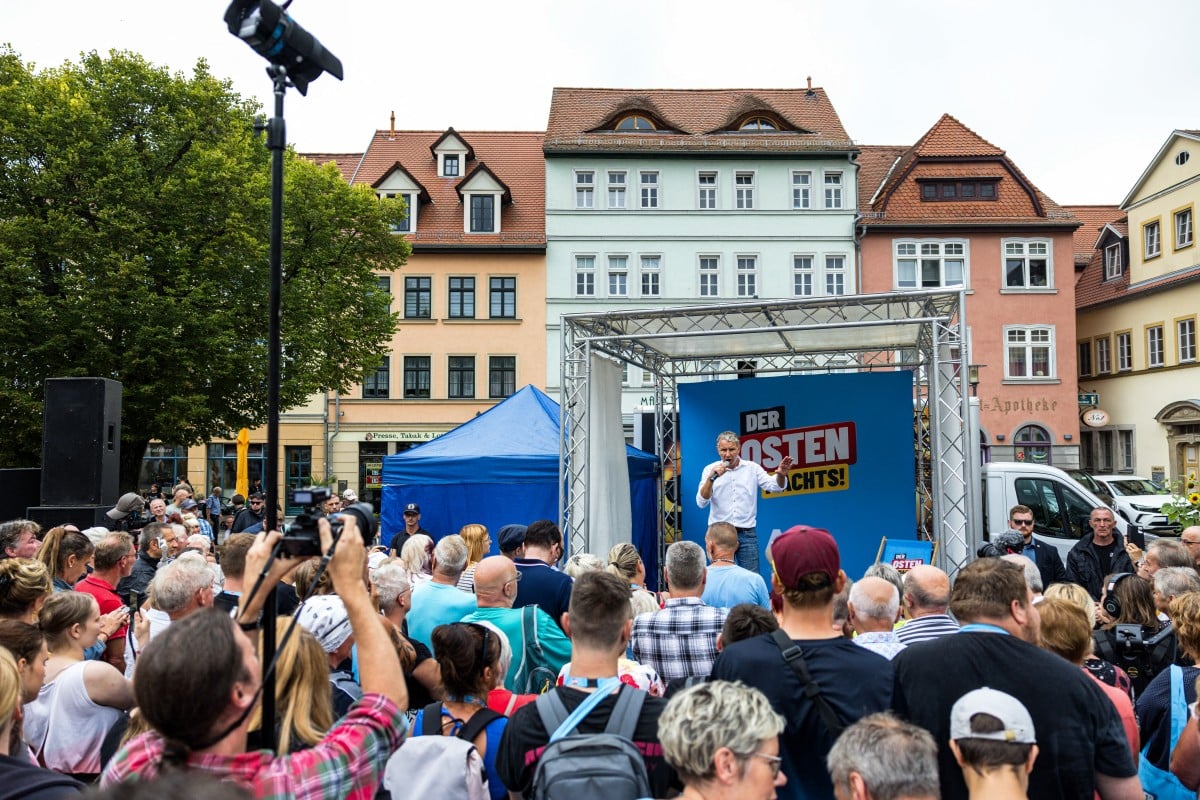
The stark rise in support for the anti-migrant AfD was a particularly worrying development for foreigners, with some readers expressing fear and uncertainty about the future.
“With such strong views in Thuringia it makes me worry about how things may develop," said Michelle. "There has been an increase in individual attacks or hostility shown towards foreigners, which does concern me a lot. Of course I worry for my safety and that of my family.”
Billy, 36, an Indian citizen who has lived in both Brandenburg and Berlin, said he could see how the economic situation in eastern Germany had led to a rise in xenophobia.
“I understand the reason for their frustration and anger, but I'll never forgive them for harbouring far-right sentiments," he told us.
READ ALSO: 'I'm worried for my kids' - foreigners in Germany fearful over rise of far-right
A region of contrasts
Beyond the simplistic views of the east that are often expounded in the west, our survey unveiled a picture of a region with buckets of charm that also faces a fair amount of adversity.
This was reflected in the people our readers encountered in their local communities, from friendly and supportive work colleagues to grumpy, standoffish neighbours.
"It's a very contrast-y place, unlike west Germany where it is quite conformist and monotonous," said Cottbus resident Z.V. "You could have the most crazy alternative dream life and a environment to support that, but also the most secular, isolated and conformist one, depending on your preferences."
Despite the rise of far-right politics, a few readers also felt that the picture of radicalisation and extremism in the east could be somewhat overblown.
"Most AfD voters are not as extreme as portrayed in the news," said 47-year-old Bruce, a Canadian living in Saxony. "Like any political view, you have to seek it out more than it comes to you."
Though around 43 percent of readers said they thought life was harder for foreigners in eastern Germany, there were many who felt that the pros still outweighed the cons.
READ ALSO: From communism to Christmas - tracing history in Chemnitz
"Overall, I feel the quality of life is actually much better in the east for foreigners overall," Tendai told us. "I feel that the quality of my life has greatly improved since moving from Frankfurt to a small city in the east."
While foreign workers may be drawn to the glitzy opportunities in the west, those who prefer a quieter, more traditional, and ultimately more affordable type of lifestyle could well find a new sense of belonging in the former eastern states.
"I have lived here for the past 16 years and l guess one tends to appreciate the quietess and forests when they get older," said Greiz resident Liz, adding that Thuringia was a good place to raise a family.
"Though salaries are low," she concluded, "the lifestyle is stress-free."
Thank you so much to everyone who completed our survey. Although we weren't able to use all the responses, we read them all and they helped inform our article.
Comments