
All Saints’ Day
All Saints' Day, called Allerheiligen in German, can be traced back to the 4th century and is intended as a day to commemorate martyrs who had sacrificed their lives for their Christian beliefs.
As Christianity evolved and spread across Europe, the number of recognised saints increased, making it a challenge to dedicate individual days for each one. Eventually this challenge led the Christian community to designate a single day to honour all of the saints, both known and unknown.
In the 8th century the date was changed to November 1st – this year it falls on a Friday.
Recognised as an official public holiday in the states of Baden-Württemberg, Bayern, Rheinland-Pfalz, North Rhine-Westphalia and Saarland, residents in these states can enjoy a day off of work (and should also note that most shops will be closed).
READ ALSO: Why is November 1st a holiday in some parts of Germany but not others?
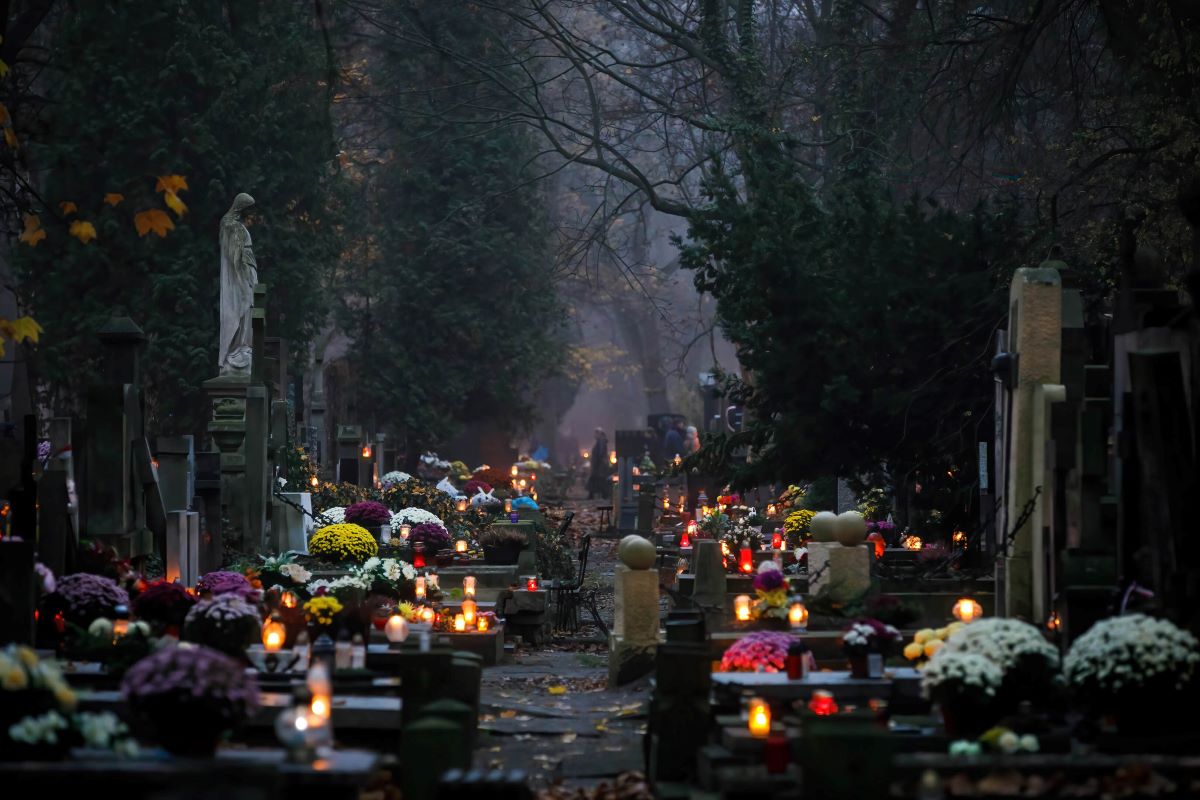
Among the unique traditions connected to All Saints' Day in Germany is the practice of visiting cemeteries.
Participants may use the day to visit the graves of their loved ones and decorate them with wreaths, candles, and flowers – especially chrysanthemums, which are seen as a vibrant symbol of rebirth and hope following death.
The day is also marked with candlelight processions.
In the Catholic tradition, All Saints' Day is a time for prayer and introspection, including a special church service with prayers and hymns said in remembrance of the saints and the deceased.
Halloween
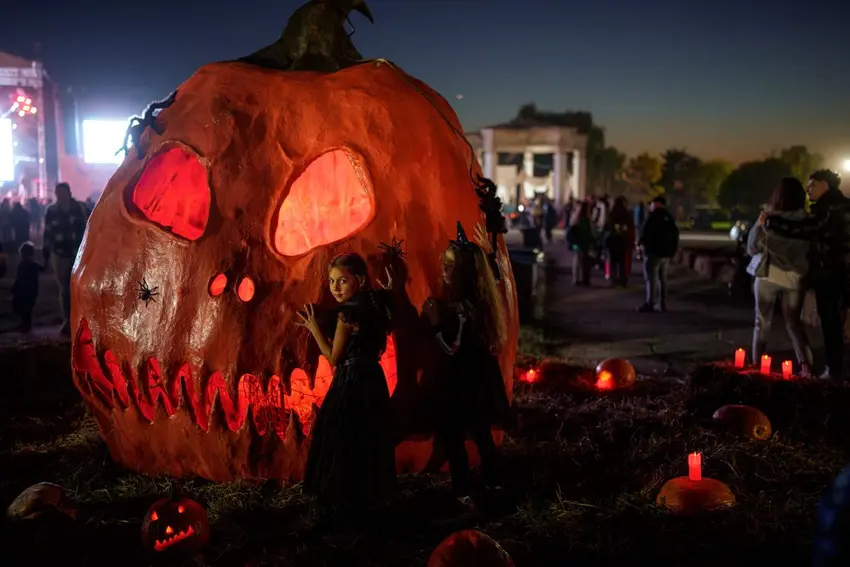
Halloween celebrations began to gain popularity in parts of Germany in the 2000s and remains a popular event today.
In Kindergartens, schools and after school care centres, many school children participate in small Halloween-themed parties and events. And in some urban centres, kids dressing up in costumes and going door to door for trick-or-treating – also called “Um die Häuser ziehen” or “Going around the houses” – is not uncommon.
Interestingly, instead of using the English phrase “trick or treat”, German speakers will usually say “Süßes oder Saures”, which playfully implies that you can either give the children a sweet or there could be sour things coming.
READ ALSO: How Halloween is celebrated in Germany
If you’ve recently moved to Germany from a place that sees a lot of trick-or-treating traffic, such as a suburban neighbourhood in the US, note that you probably don’t need to stock up on loads of candy for Halloween in Germany. But it wouldn’t hurt to keep at least a small stash on hand, as it’s increasingly common to be visited by at least a small handful of little ghouls and goblins on the evening of the 31st.
If you do want to offer some treats on Halloween, decorating the front of your house with a Kürbislaterne, or other festive décor like fake cobwebs or skeletons, is a good way to clue your neighbours in to the fact that you celebrate.
If you’d rather not participate at all, you may want to keep all the lights out at the front of your house, and most people will probably not bother ringing your bell.
Of course most childless adults skip trick-or-treating, but may participate in Halloween parties among friends or at bars and clubs.
Comments