

Inside Germany is our weekly look at some of the news, talking points and gossip in Germany that you might've missed. It’s published each Saturday and members can receive it directly to their inbox by going to their newsletter preferences or adding their email to the sign-up box in this article.
Is Germany becoming a hotspot for skilled workers?
Almost a year has passed since Germany introduced its flagship skilled worker law, paving the way for the best and brightest to move to the country.
Since then, the country has brought in its Opportunity Card - a points-based visa that allows qualified people to come to Germany to look for a job. As well as easing family reunification rules, relaxing conditions for international students and cutting Blue Card earnings requirements.
And that was just the start of it.
READ ALSO: How Germany's 'opportunity card' will allow easier entry for foreign workers from June
Though the law wasn't without its controversies, the message it sent was clear: Germany is open to talented professionals from around the world.
So, one year on, has the message actually been heard by workers in foreign lands?
This week, an article in Tagesspiegel asked this exact question - and the results were mixed. While the number of skilled worker visas being granted has gone up, it has only done so incrementally since the introduction of the new law.
Between November 2023 and October this year, 74,000 visas were granted to skilled workers from abroad - only a thousand more than the previous year and well short of the some 120,000 visas the government was aiming for. Meanwhile, the number of Opportunity Cards handed out stood at 600 per month - again, far less than the expected 2,500.
All that said, it seems like the campaign to rebrand Germany as the go-to destination for skilled workers is only just getting started, and there are incremental steps forward all the time. From next year, applying for German residence permits should be possible online from anywhere in the world, while local immigration offices like Berlin are also trying their hand at digitalising their processes.
READ ALSO: EXPLAINED - How to apply for a residency permit online in Berlin
This week on a visit to India, Chancellor Olaf Scholz also agreed to increase the number of skilled worker visas granted to Indians from 20,000 to 90,000 per year. The move, which follows on from a pact for students and professionals two years ago, was hailed by President Narendra Modi as a path to a "better future".
All of these things are part of a larger aim to shore up Germany's flagging economy long into the future. And with the country facing a dire worker shortage that equates to around 400,000 workers per year, politicians are desperately hoping it will work.
Meme of the week
We know where we'd much rather be on a weekday morning.
View this post on Instagram
Where is this?
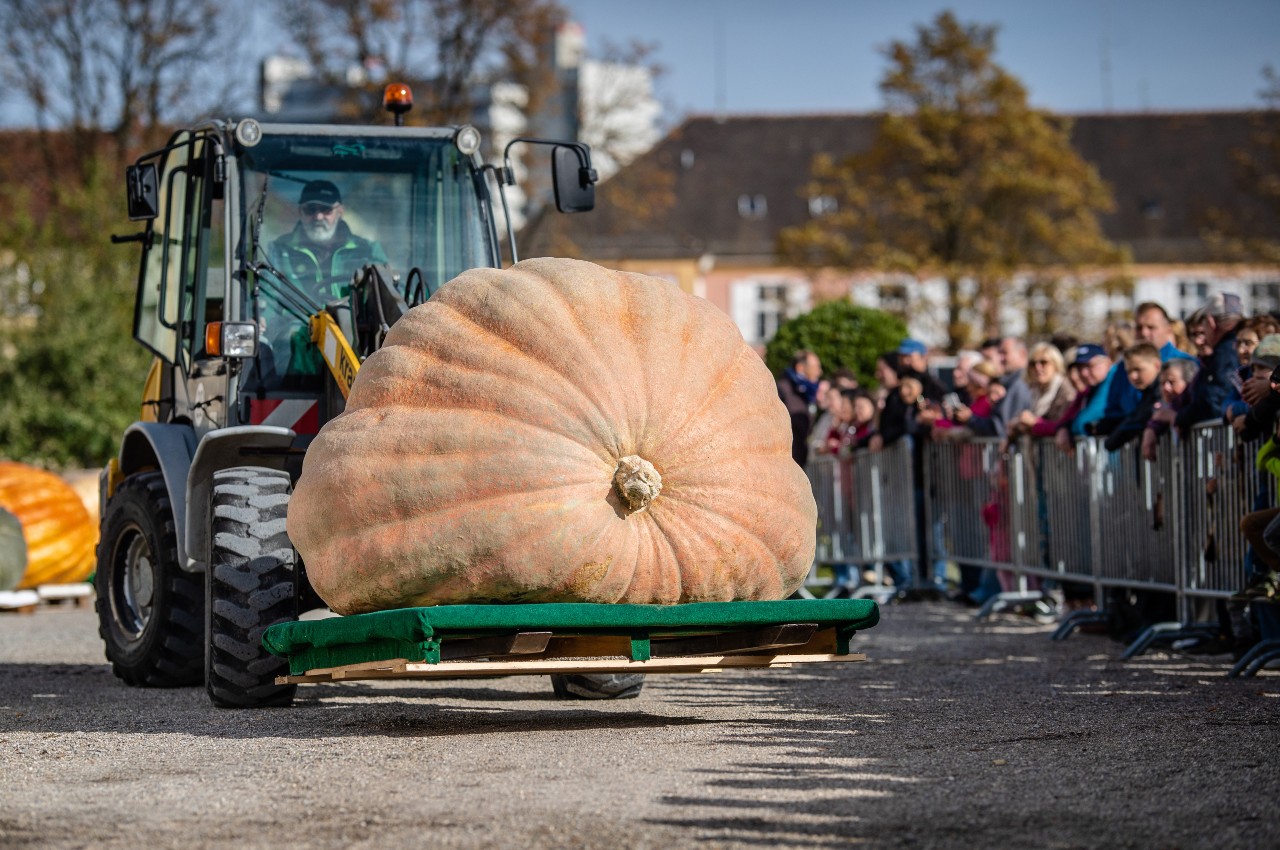
This picture of a gargantuan pumpkin was, of course, snapped in the picturesque town of Ludwigsburg in Baden-Württemberg: a baroque city known for its love of Kürbis.
Each year, Ludwigsburg hosts a gigantic Kürbisausstellung, or pumpkin exhibition, where visitors can walk around scenic gardens admiring art and sculptures made entirely out of the autumnal gourd. It also happens to host the European pumpkin-growing championships, which were held at Schloss Ludwigsburg earlier this month.
READ ALSO: German word of the day - Kürbislaterne
In this jaw-dropping photo taken by DPA's Christoph Smidt, one of the most magnificent specimens in the competition is being taken to the scales to be weighed.
The clocks go back - yet again
If you happen to be out and about on Saturday night, you'll be pleased to know you can look forward to an longer lie-in on Sunday as the clocks are set to go back once again.
Daylight savings time (DST), which is known in German as Winterzeit, has been a fierce subject of debate in the European Union for several years now - but nobody seems to have got round to scrapping it.
That's because, although the EU has committed to changing it, there doesn't seem to be any agreement on how to do so. Should winter or summertime be the default, will there be winners and losers - and how can Europeans avoid a patchwork of different time winter and summer zones all over the continent?
Amidst such complicated disagreements, the legislation to scrap DST has been put on the backburner for now. All of which means that at 3am on Sunday, the time will magically turn back an hour to 2am - just like clockwork. Enjoy that extra hour in bed!
Comments