

The number of acute respiratory diseases in Germany is at a high level for this time of year, according to the Robert Koch Institute (RKI), which is Germany’s centre for monitoring and preventing disease.
The RKI estimates that around 6.9 million people in Germany are currently affected by respiratory diseases, with most patients at doctors' offices testing positive for rhinoviruses (often called the common cold) and Covid-19.
Dortmund-based immunologist Carsten Watzl told the DPA that compared to pre-Corona times, the number of current infections is unusually high: "The numbers used to be significantly lower."
Watzl added, "I assume that we should continue to expect high infection rates for the next few years, especially at this time of year."
Should I get a flu shot this year?
Germany’s Standing Committee on Vaccination (STIKO) recommends that people aged 60 and over and adults with underlying diseases get a booster vaccination this fall.
Regular vaccinations are also important for pregnant women, people with chronic underlying medical conditions, medical personnel and people who work in care homes, daycare workers and teachers and people who live with or care for someone from one of these groups.
But, of course, no one likes getting sick, and if you want to make an effort to avoid a serious case of the flu this winter, getting a flu shot this fall is among the best things you can do.
Other best practices include regularly washing your hands, wearing a respiratory mask in crowded indoor settings (like on public transport or planes) and doing your best to eat and sleep well.
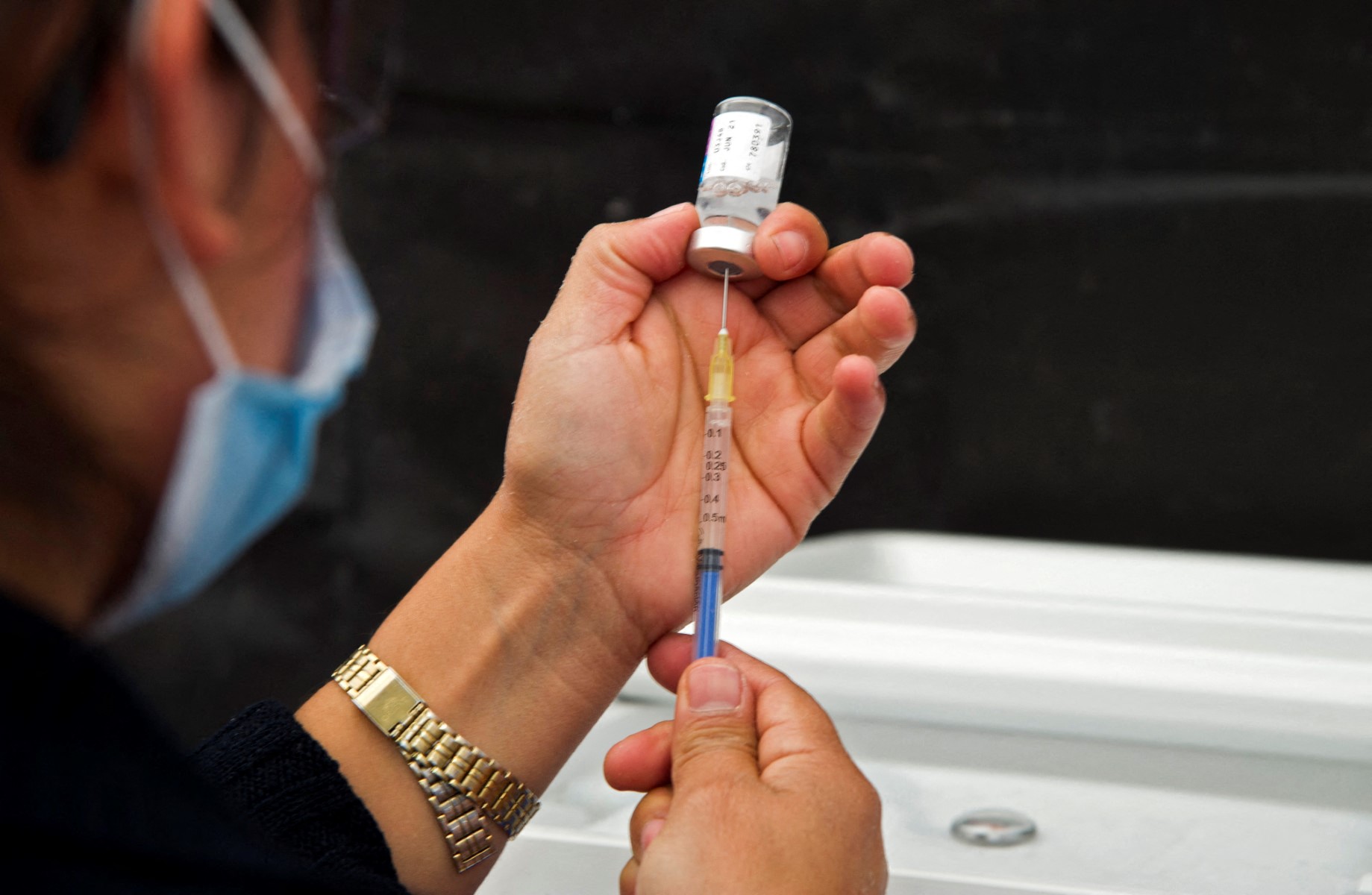
Where do I get a flu shot in Germany?
The easiest place to get a flu vaccine could be at your doctor’s office.
Also, some health authorities run public vaccination campaigns, depending on your federal state. Some workplaces may also administer flu shots on site once a year.
In recent years some pharmacies in Germany have also begun administering flu shots on-site for adults with statutory health insurance.
So another easy option may be to check with your local pharmacy to see if they do it.
Note that statutory health insurance covers the cost of flu shots for people in groups that are officially recommended to get one (according to the STIKO recommendations above).
But public insurance will also cover flu shots for many people between the ages of 18 and 59, if you visit a participating pharmacy, where you can receive an on-site advisory from a health worker.
In the event that for some reason you need to pay for your flu shot out of pocket, you can rest assured that the cost of flu vaccinations in Germany are low.
READ ALSO: When, where and how can I get the flu shot in Germany?
Should I consider a Covid booster?
Epidemiologists have recorded a flurry of new Covid-19 variants that have appeared and spread in increasingly rapid successions this year.
The variants most common in Germany, which are mostly sublineages of the Omicron variant, are not likely to cause particularly severe symptoms in healthy patients. However they are highly contagious and are spreading quickly through populations.
The RKI notes that it is still important to maintain immunity against Covid-19 to reduce the likelihood of long-term consequences of the disease and also to slow the spread of the disease through the population.
For this reason, the STIKO recommends an annual Covid booster for particularly vulnerable groups of people – ideally administered in autumn.
Covid boosters are no longer covered by insurance in all cases - they may only be free for people belonging to groups officially recommended for vaccination.
So if you're a healthy 18 to 59 year old with little or no contact to people in risk groups, you may have to pay for a Covid booster out of pocket. In this case you can get one in a pharmacy for a nominal fee.
READ ALSO: Who should get a top-up Covid vaccination in Germany?
With reporting by DPA.
Comments