
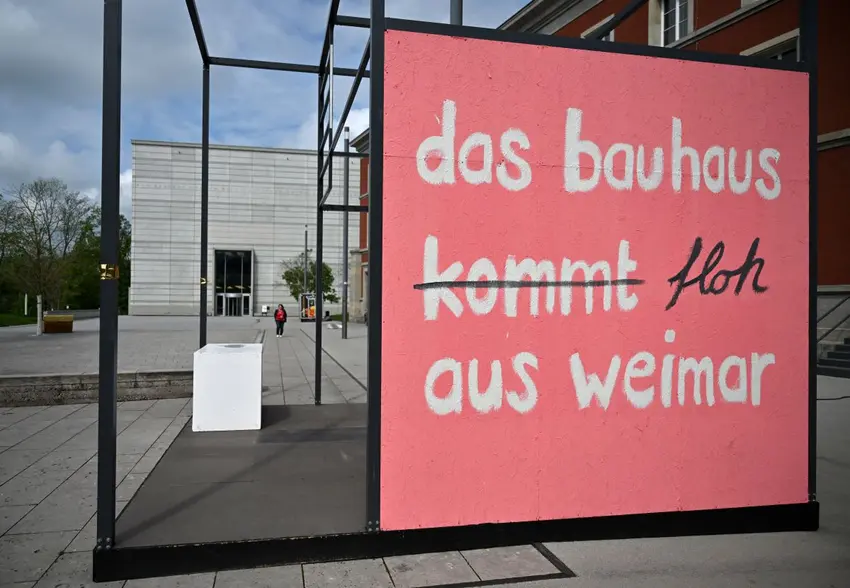
Stepping away briefly from the topic of migration, one regional branch of the AfD has recently taken aim at a surprising new target: the Bauhaus cultural movement.
The AfD parliamentary group in Saxony-Anhalt, where Bauhaus is headquartered, has slammed the movement as an "aberration of modernism", and called for a "critical examination" of the world-famous design school.
These words were met with immediate backlash: FDP parliamentary group leader Andreas Silbersack said that in its critique of Bauhaus, the AfD had shown “the grimace of National Socialism” (Nazism), and the Minister of State for Culture, Claudia Roth (Greens) called the statement “highly alarming and absolutely unacceptable”.
It’s not every day that a political party feels the need to weigh in on aesthetics or critique a particular style of art and design. And much less often that such a critique invokes comparisons to the Nazis.
So, in case you didn’t know, here’s a brief explanation about the history of Bauhaus and why German political parties have strong feelings about it.
What is the Bauhaus?
Bauhaus, which literally translates to "house of architecture" or "house of building" (hence the hardware superstore chain by the same name), began as a German art school in operation from 1919 to 1933.
It was founded by architect Walter Gropius, and eventually the school became famous for its unique design approach which put high value on functionality. A commonly recited motto of the movement is “form follows function”.
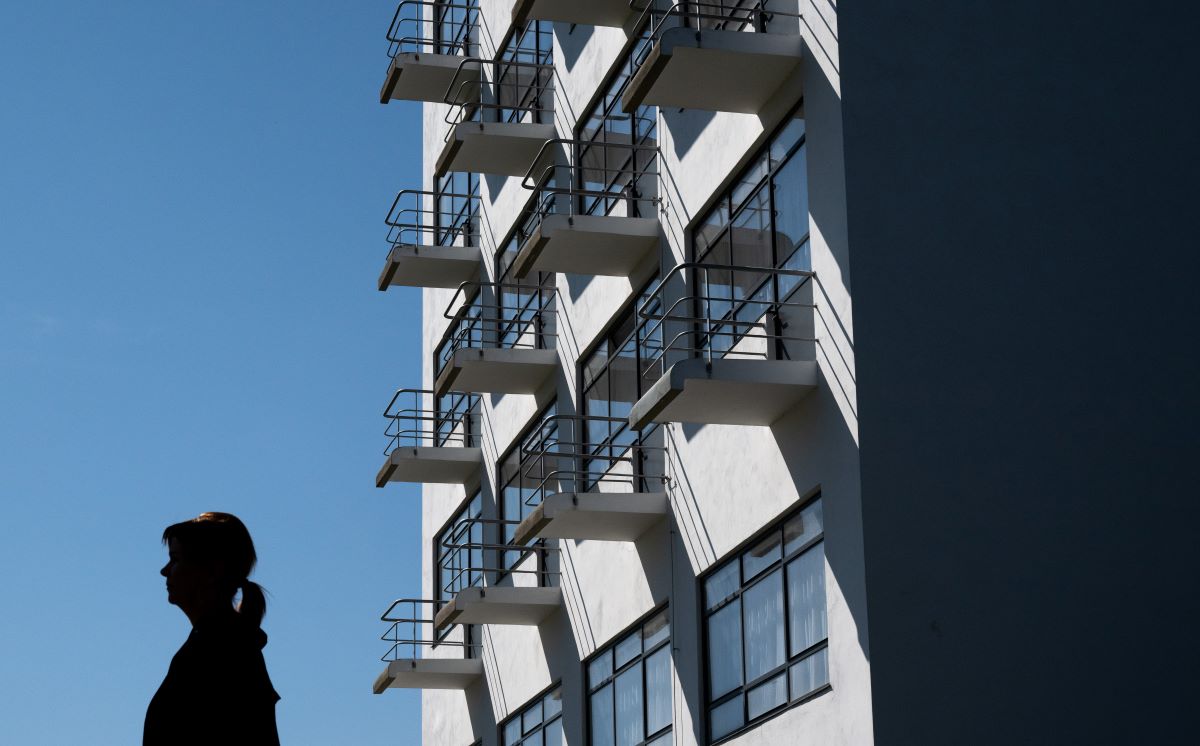
When people think of Bauhaus today, it’s often associated with sharp, clean lines and grey cube-shaped buildings.
READ ALSO: Iconic creations of Bauhaus design, 100 years on
The Bauhaus was founded in Weimar in 1919, and then moved to Dessau in Saxony-Anhalt in 1925. There the art and architecture school experienced its heyday for a few years. In 1932, the Bauhaus moved from Dessau to Berlin, where it remained for just one year before being forced to close down.
Later the movement was revived, and it is often cited among the major influences of many modern art and architecture movements to this day.
In 1996, the Bauhaus building in Dessau, which had been used as a centre for Bauhaus design since 1986, was added to the UNESCO World Heritage Site. It continues to serve as the headquarters of the Bauhaus Dessau Foundation, which was founded in 1994.
What’s the controversy around Bauhaus?
In Germany in the 1930s nearly everything was political, and anything deemed offensive or distasteful by the Nazis was under threat.
From early on, Nazis rejected the Bauhaus art movement, which was liberal and cosmopolitan and inherently rejected the aesthetics of more “traditional” schools of art and architecture.
The Nazis labelled Bauhaus “degenerate,” and persecuted Bauhaus artists on ideological grounds.
In 1933 they shut down the Bauhaus school in Berlin, and many of the school’s teachers had to flee Germany.
READ ALSO: Inside Weimar's new politically charged Bauhaus museum
Considering this history, many see AfD leaders’ criticism of the art movement as yet another obvious step down the path taken by the Nazi party nearly 100 years ago.
What’s being said about Bauhaus now?
In a statement to DPA, Hans-Thomas Tillschneider, the cultural spokesperson for the AfD in Saxony-Anhalt, doubled down on the party' Bauhaus comments. He argued that the history of the design school had not been critically dealt with.
For his part, Tillschneider rejects comparisons to the Nazi party, suggesting that the AfD isn’t interested in cutting funds for the Bauhaus foundation, but simply wants to critically examine the ideology around Bauhaus.
But for some leaders of Germany’s current Federal Government, political interference in cultural organisations like Bauhaus – especially by a state party that has been labelled extremist by the Office for the Protection of the Constitution (BfV) – are obviously reminiscent of the darkness of the Nazi era.
READ ALSO: How Bauhaus designed the world as we know it
Comments