
What's going on?
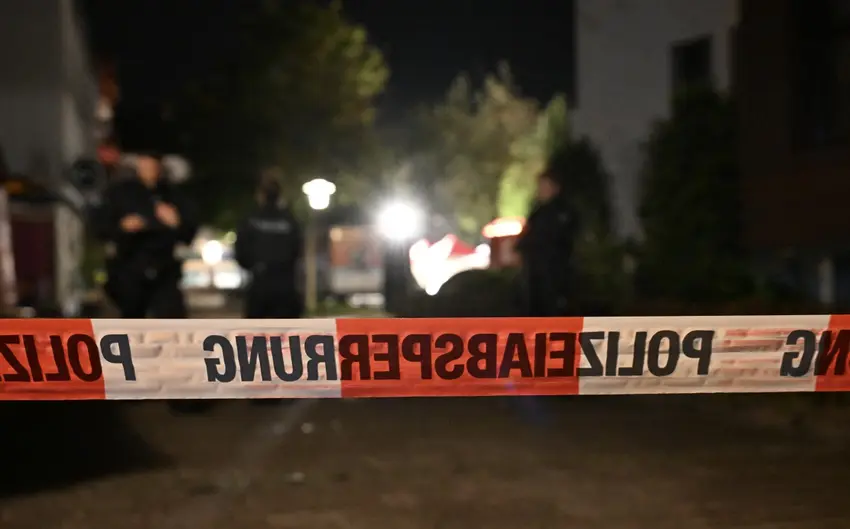
Following a spate of recent attacks believed to be motivated by extremism, safety and security are high on the agenda in Germany right now. Back in August, a Syrian asylum seeker carried out a deadly knife attack at a local folk festival in Solingen, North Rhine-Westphalia, sparking a major debate over Germany's security and asylum rules.
READ ALSO: How an explosive row over immigration has divided Germany
The attacker, who was affiliated with the terrorist group Islamic State (IS), had been ordered to leave the country several months prior in order to claim asylum in Bulgaria, where he had registered back in December 2022. However, the man managed to evade two deportation attempts and had been living in Germany for more than a year at the time of the attack.
In response to the Solingen attack, in which three people were killed, the government drafted a set of new proposals for improving national security. The measures, which range from knife control to restrictions on asylum seekers, has been branded the "security package" and is set to be voted on in parliament on Friday.
So far, the law has proved controversial within the three-party coalition of the Social Democrats (SPD), Greens and Free Democrats (FDP).
While the SPD and Greens have criticised moves to implement restrictions on refugees, FDP politicians have slammed the law for not taking a tougher line on migration.
Though several MPs - particularly those from the SPD - rebelled to vote against the bill in the open ballot on Friday, it ultimately passed the Bundestag. However, the opposition CDU and CSU parties claim the bill has too many loopholes to be effective. This ultimately led to the draft law being partially blocked in Germany's upper chamber - the Bundesrat - which represents the states. A mediation committee between the government, the Bundestag, and Bundesrat will now consider compromise proposals to the draft law - so the current plans may end up changing somewhat.
What's in the proposed law?
The so-called security law is comprised of three separate measures, covering police powers, migration and weapons.
Here are the key points to know about.
Weapons controls
Knife crime is a growing issue in Germany, particularly in public areas such as train stations and parks. According to official police statistics, there were 8,951 knife attacks carried out in Germany in 2023, compared to 8,160 cases in 2022.
The police also recorded 4,893 knife offences in association with robberies in 2023, compared to 4,195 cases in the previous year.
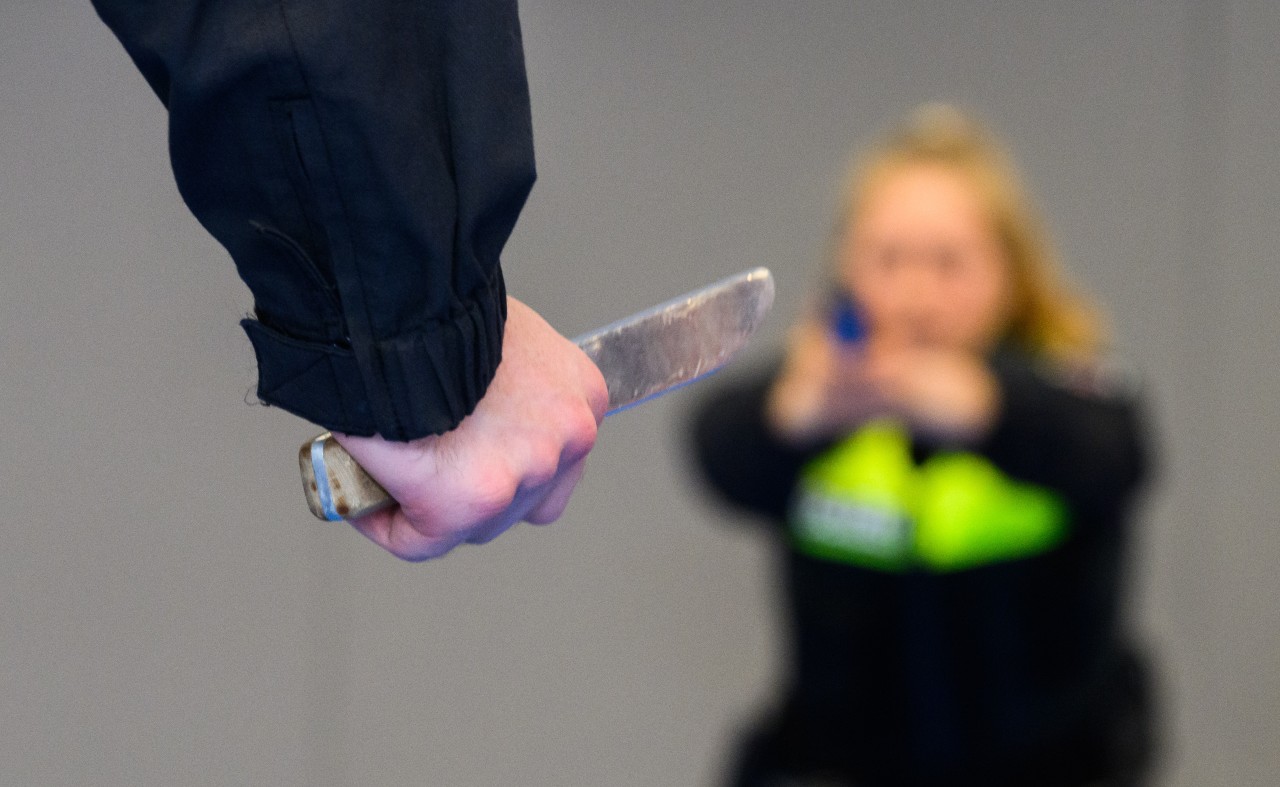
After Solingen, Interior Minister Nancy Faeser wants to "further restrict the use of knives in public spaces", including at large-scale events like festivals, sports events and exhibitions. No knives will be permitted on buses and trains, except in certain professional contexts. States will be given powers to ban knives in and around train stations.
Switchblades are also set to be banned entirely.
READ ALSO: Why the interior minister wants to ban knives
Restrictions on asylum seekers
One of the key aims of the security package is to combat irregular migration and deport more asylum seekers that aren't eligible for protection in Germany.
The most significant measure in this area is the government's plans to cut social benefits for migrants that can claim asylum elsewhere. Those whose cases fall under the Dublin Regulation - where another EU country is responsible for their asylum process - will no longer receive state support once that country agrees to take them back.
A "Dublin Task Force" made up of federal and state authorities will be established to ensure that more refugees registered in other EU countries are transferred back to the responsible member state. Additionally, asylum seekers who travel to their country of origin without a valid reason will have their protection status revoked, and biometric data will be used to verify the identity of asylum seekers.
Measures to combat extremism
As part of its attempts to stamp out Islamic extremism, the law will give investigators more powers to use biometric data to identify and track down suspects.
The government is also planning further bans on Islamist organisations and new measures to combat the financing of terrorism, including giving additional powers to the Bundesverfassungsschutz - or the Federal Office for the Protection of the Constitution.
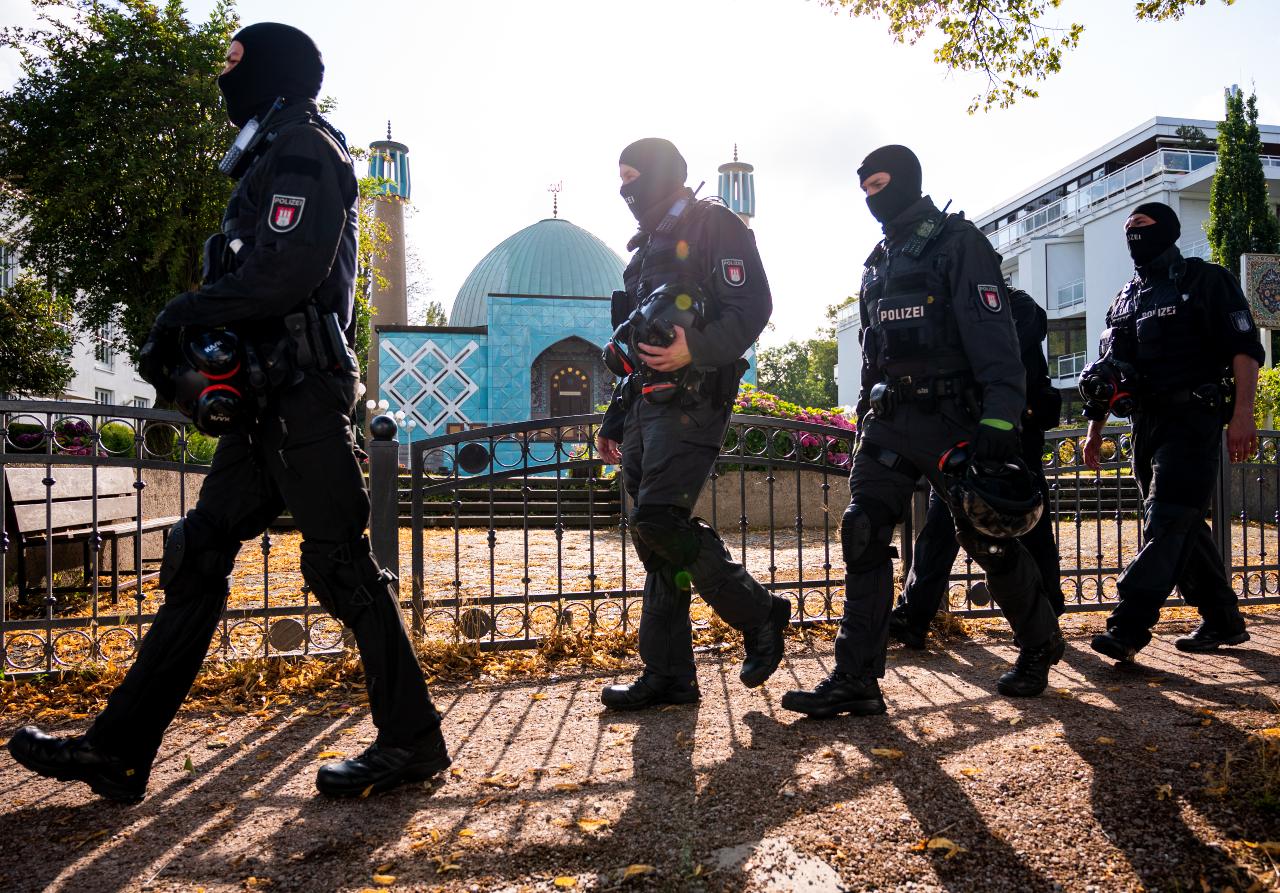
Weapons licenses will also be reviewed to make sure extremists don't have access to guns.
The government is also establishing a task force on Islamist prevention and promises to advocate for stronger EU action to combat Islamist propaganda online.
READ ALSO: Why experts say Germany’s rising crime rate is misleading
Will it actually work?
Though ministers are keen to pitch their security bill as an improvement to national security and a means of fighting terrorisms, experts have expressed doubt that the package of measures will have the desired effect.
While Germany made around 75,000 requests to return migrants to other EU countries under the Dublin Regulation last year, only around 5,000 deportations were actually carried out. It's unclear if the move to cut off benefits will drastically increase this number, especially since the law relies on other countries agreeing to allow the asylum seeker back into country and on the feasibility of travel.
According to journalist and migration expert Gilda Sahebi, cutting off financial aid for people already in country could even be counter-productive in the fight against crime.
"Interesting that they're calling a bill that cuts people's social benefits and thus increases the risk of loneliness, crime and radicalisation a 'security package'," Sahebi wrote on X. "This has nothing to do with greater security. Only with (unsuccessful) attempts to recruit AfD voters."
Comments