
October 30th to November 3rd: Dortmunder Hansemarkt, Dortmund
The Dortmund Hansemarkt (Hanseatic Market) is always an autumn highlight in the event calendar of the largest city in the Ruhr area. The historical and cultural festival transports visitors back in time to the Hanseatic era, a period when the city was an important member of the Hanseatic League, which was a medieval trading network of cities.
During the Hansemarkt, the city centre is transformed into a bustling marketplace showcasing traditional commerce, and culture from that historical period. Visitors can browse artisanal and traditional products, including jewellery, indigo prints, leather goods, and more.
There are also plenty of culinary offerings, cultural performances and entertainment for all ages, such as street performers and special programmes for children.
October 31st to November 3rd: Jazzfest Berlin
Jazzfest Berlin is turning 60 years old this year, making it one of Europe’s oldest jazz festivals. International musicians from all over the world will gather to perform at the House of Berliner Festspiele and other venues throughout the Capital from the last Thursday in October through the first weekend in November.
This year’s motto is "Still Digging”. Among the festival’s big names are Americans Marilyn Crispell and Joe McPhee, Japanese underground icon Otomo Yoshihide, and Joachim Kühn who will be premiering his new French Trio.
November 9th and 10th: Mittelaltermarkt, Eisleben
Each November, a medieval market in honour of Dr. Martin Luther (called Luthers Geburtstag or Luther’s Birthday) takes place on the historic market square of Lutherstadt Eisleben. This Medieval Market is said to date back to 1521, making it the oldest folk festival in the central German region.
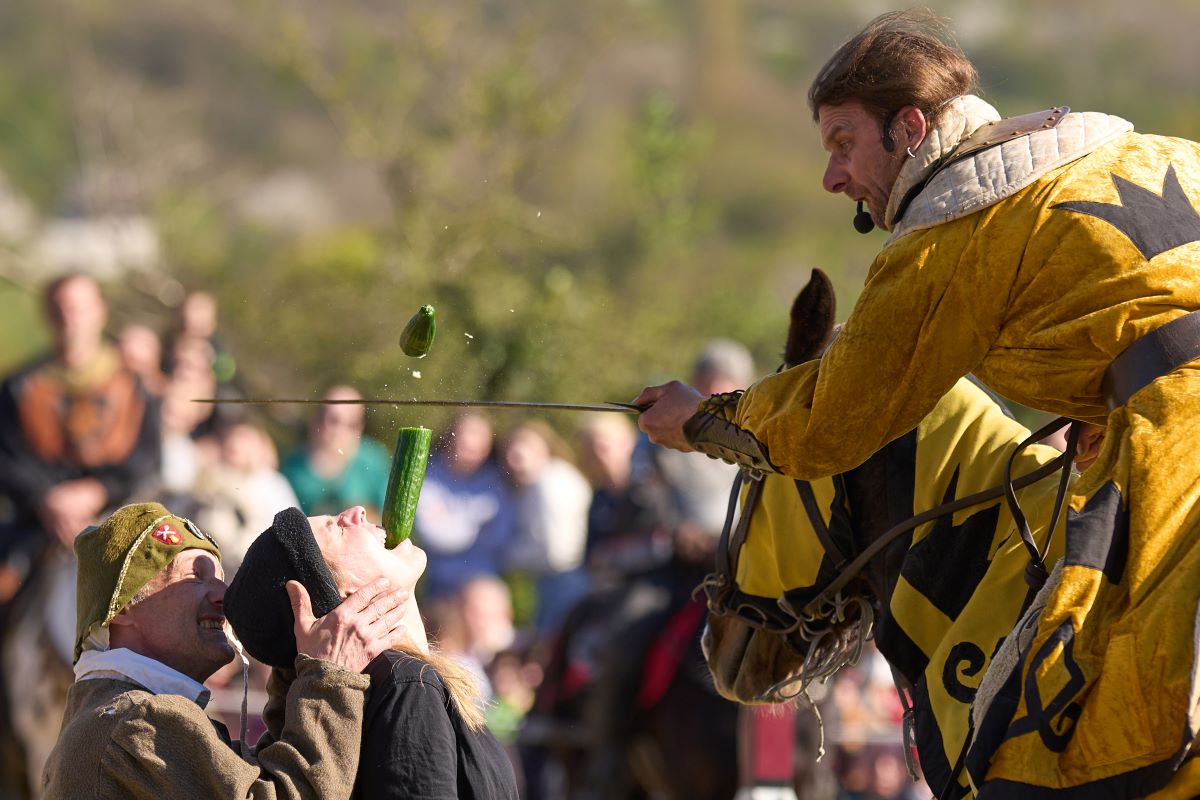
Over the market weekend, the historic square takes on a vibrant medieval ambience, with plenty of old-fashioned entertainment including fortune tellers, knights' fights, jugglers, minstrels and more.
November 6th to 10th: Allerheiligenkirmes, Soest
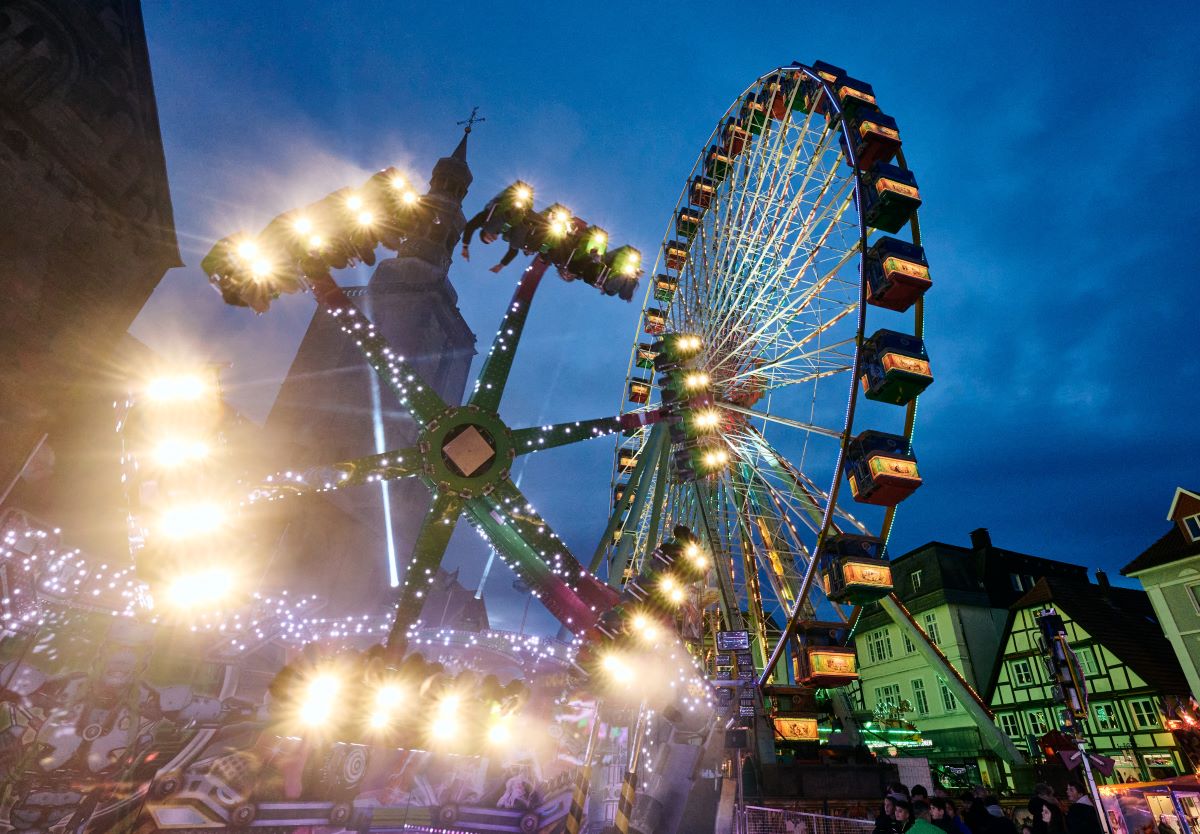
Allerheiligenkirmes, or the All Saints’ Fair, is a unique festival that comes to the North-Rhine Westphalian city of Soest each November. It brings neon-lit modern carnival rides that stand in a strong juxtaposition to the historic half-timbered houses and nearly 1,000-year-old cathedral that line the streets of the city’s centre.
This being the 686th All Saint’s Fair, this festival is rooted in a tradition that dates back to when Soest was a prominent Hanseatic city.
Taking up 50,000 square metres, it's Europe's largest old-town fair, and here you’ll find thrilling rides and plenty of tasty local treats. One of the fair's culinary highlights is honey liqueur, which is served in shot glasses made of wafers and coated with chocolate.
November 8th to December 8th: Hamburger Winterdom, Hamburg
Hamburg's Heiligengeistfeld comes alive three times a year for large festival events, and in the winter season it’s for the Hamburger Winterdom.
Visitors to the fair can enjoy an iridescent and diverse array of attractions, including children's carousels, game booths, snack stands, candy and beverage stalls, and exhilarating amusement rides. And don't forget the captivating fireworks that light up the Friday evenings.
November 7th to 10th: Art Cologne
Art Cologne is an international art show taking place over the course of four days, and including prominent art galleries from around Europe and beyond.
This year’s show features 175 galleries and dealers from 24 countries, with a particular increase in new galleries compared to previous years, according to the show’s organisers.
November 11th: Opening of Cologne Carnival
Immediately following the end of Art Cologne, is the beginning of what is probably the city’s best known annual event – Carnival.
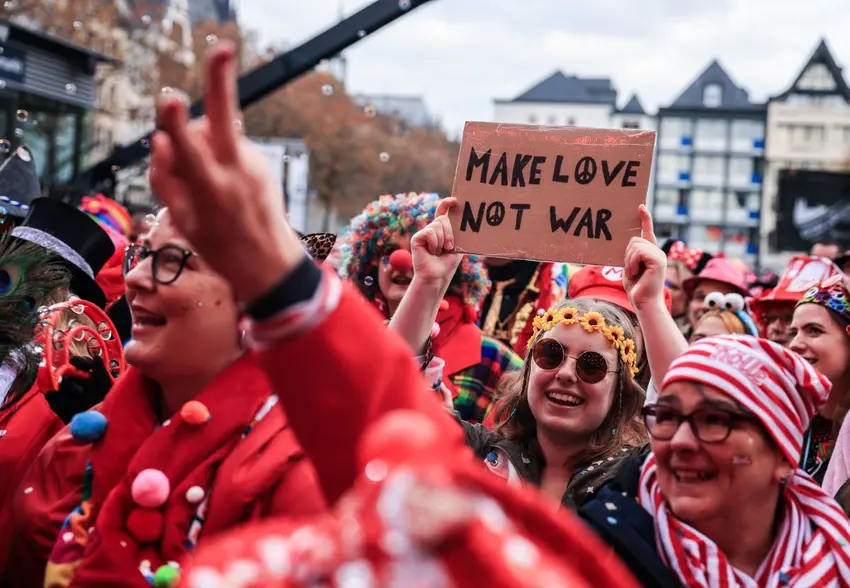
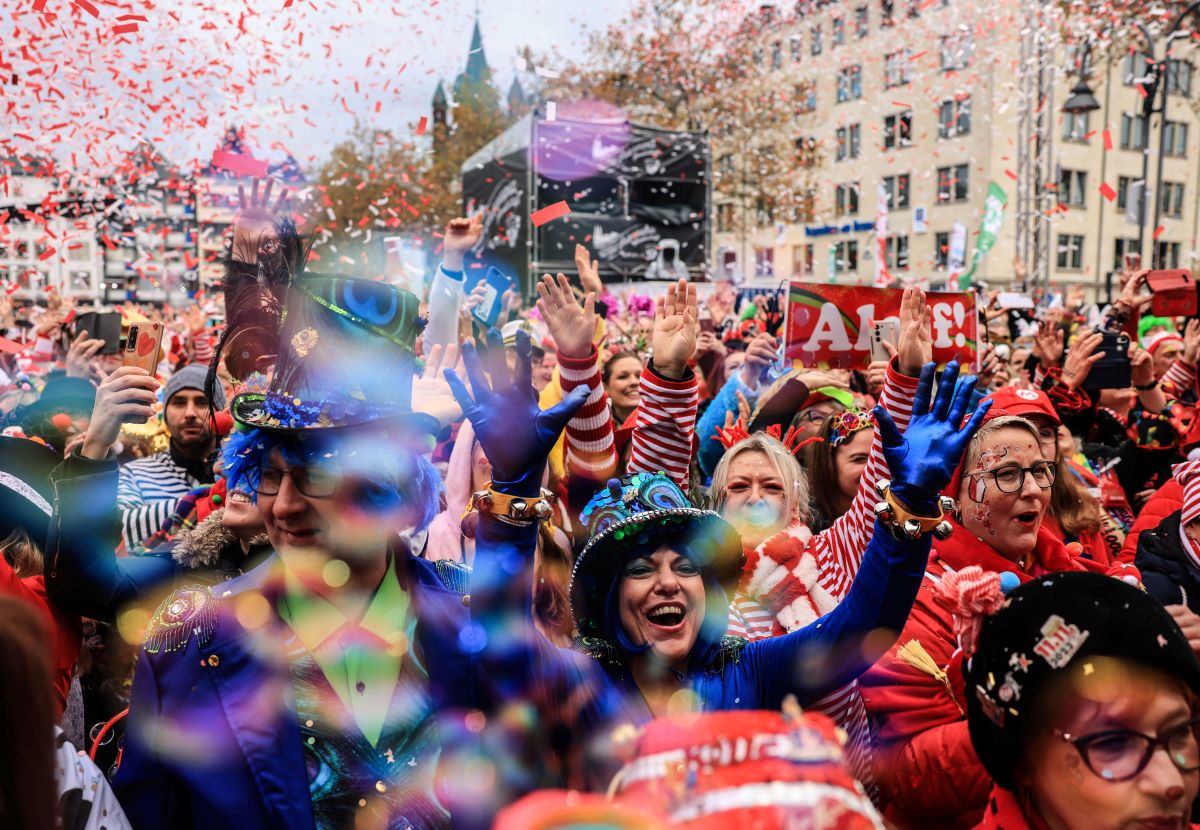
At precisely 11:11am on November 11th, Cologne’s Carnival will commence and thousands will be gathered in vibrant costumes at Cologne's Heumarkt and Alter Markt to celebrate.
A big stage programme - including performances of Cologne's best-loved tunes - runs until 7:00 pm at the Lanxess Arena, and then festivities spill over into the city's pubs.
November 14th to December 1st: Munich Book Show
While October has Frankfurt’s world famous book fair, November has the Munich Book Show, which comes in a close second in terms of German literary festivals.
According to the event website: “Over 18 days and evenings, more than 200 publishers will present over 13,000 novels, cookbooks, travel literature, children's and young people's books…[and more].”
This year, the Munich Book Show can be found in the Haus der Kunst with publishers presenting their books in the West Wing from 8:00 am to 10:00 pm.
November 27th and 28th: Filmfest Düsseldorf
Filmfest Düsseldorf is hosted by students of media and cultural studies at Heinrich Heine University and has become one of the country’s largest and best-known short film festivals.
For the first two days, festival screenings will be shown in the university’s largest lecture hall, and then on the third and final evening, films will be shown at Zakk (the Centre for Action, Culture and Communication).
The short film competition is open to any and all filmmakers who have not released more than five films previously, and all of the films shown will be between three and 30 minutes long.
From the end of November: Various Christmas Markets
It may be hard to believe that it’s nearly that time of year again, but Christmas is around the corner. And in Germany, that means Christmas and Winter Markets.
Many Christmas Markets open on the last weekend in November, but some markets open earlier or later depending on local traditions.
The Christmas markets in Cologne, for example, are known for starting the season exceptionally early – this year on November 18th.
Munich’s Tollwood Winter Festival (which is also referred to as the city’s ‘alternative Christmas market’) opens on the 26th, and is marked by theatre, music and even circus performances.
Among the most famous Christmas Markets is Nuremberg’s Christkindlesmarket, starting on the 29th, where you’ll find traditional and handmade decorations and traditional foods like gingerbread, marzipan and of course plenty of the city’s famous sausages.
Or there’s the unforgettable Christmas Market in the Ravenna Gorge in the Black Forest, which has gained some notoriety thanks to its scenic location, tucked into a forested valley under a 40-metre-high railway viaduct.
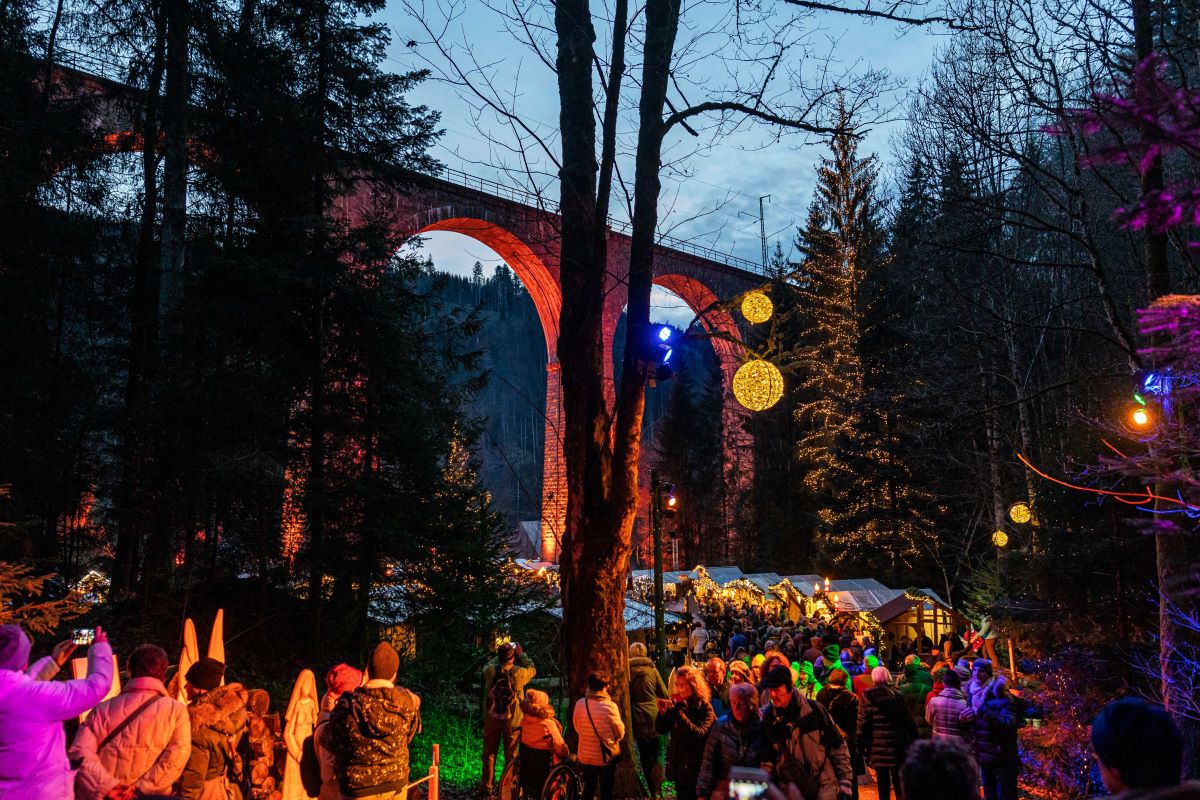
But the real secret to Christmas Markets in Germany is that sometimes the smaller markets in the country’s lesser-known villages can make for a more cosy and carefree experience than the big markets packed with tourists. So before you arrange to travel across the country, you may want to check in on the festivities happening in any small town or city nearby that you’ve been meaning to visit.
READ ALSO:
- An essential guide to Bavaria's Christmas markets this winter
- The best Christmas markets in Baden-Württemberg and Rhineland-Palatinate
Christmas Gardens
Speaking of Christmas activities, here’s one you may not have heard of. Christmas Gardens are set up in a number of German cities, including: Augsburg, Berlin, Dresden, Hamburg, Hanover, Mainau Island, Karlsruhe, Koblenz, Leipzig and Stuttgart.
At each location, light and sound installations are set-up to transform a local garden or park area into something of a fairy dream world for you to enjoy with your friends or family, perhaps on a late November evening.
Comments