

"This is why it’s crucial to clearly identify the challenges and propose solutions," Finnern emphasised.
As Germany transitions towards a full-day system, the GEW is calling on the government to improve professional development and working conditions for teachers and childcare workers in order to make the field more attractive.
The union's proposed measures to address the staffing shortage include reducing part-time work and increasing class sizes. However, some school boards have dismissed the proposals as unrealistic.
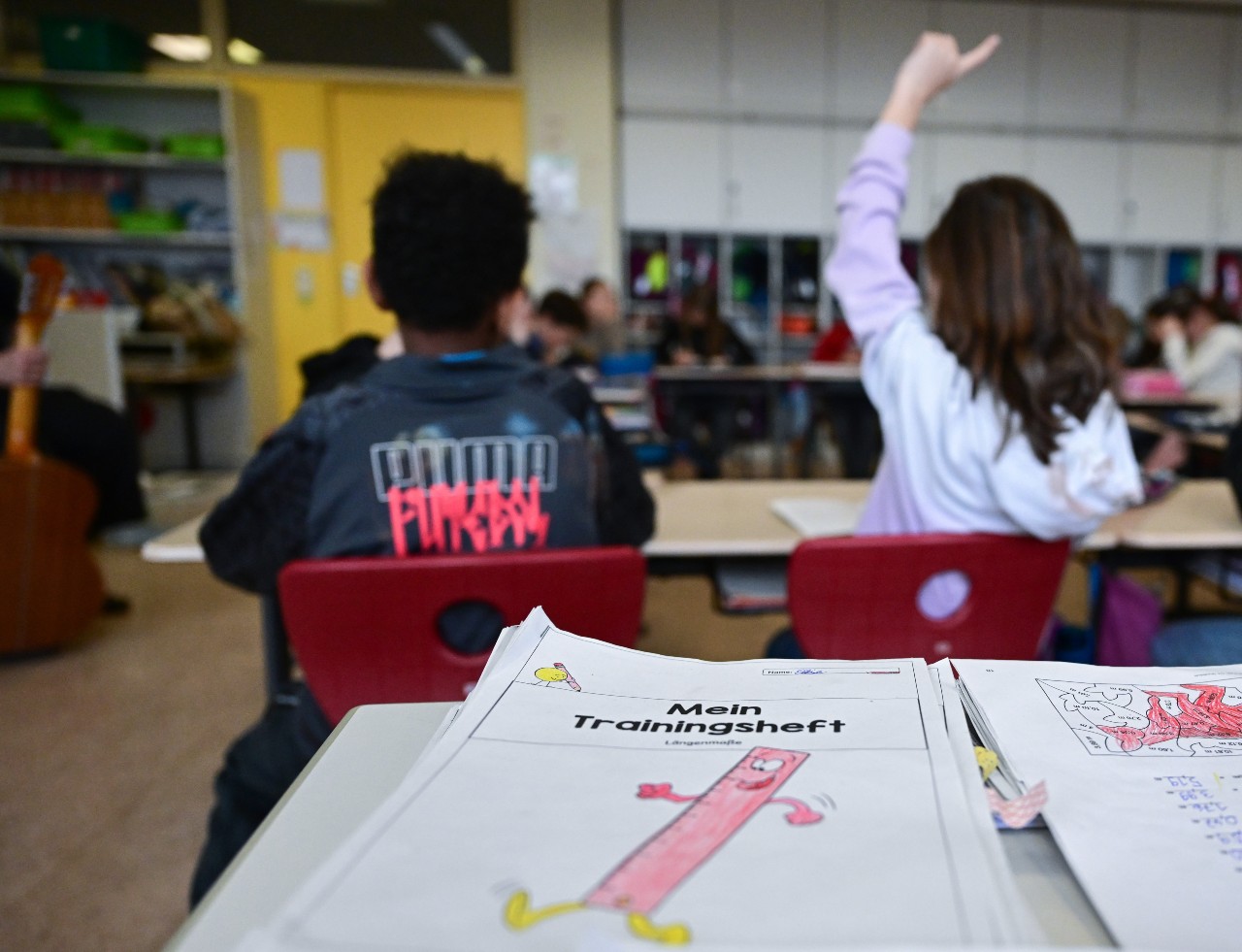
Transition to all-day care
After years of negotiation, Germany’s federal and state governments agreed on a legal right to all-day care for primary school children around three years ago, with the government allocating nearly €3 billion for investment in additional staff and resources.
Most schools in Germany start at 8am and provide lessons until the early afternoon, when children return home.
READ ALSO: Six surprising facts about Germany's school system
In recent years, however, some schools have started offering so-called all-day care, or Ganztagsschule, which includes hot meals at the cafeteria, supervised homework sessions and extra-curricular activities, and fills up the duration of the eight-hour working day.
This is set to become a legal entitlement across Germany in the near future.
The policy is set to take effect for first grade pupils in the 2026/2027 school year, expanding to cover students up to fourth grade by the 2029/2030 school year. States can apply for funding to support the initiative.
Education and childcare are regularly cited among the professions with the most extreme labour shortages in the country. The latest estimates released during the Culture Ministers' Conference (KMK) in late 2023 suggest that German schools are currently lacking around 68,000 teachers.
In a statement in August, Family Minister Lisa Paus (Greens) defended the move to all-day care, arguing that it could help ease labour shortages by enabling parents to get back into full-time work.
READ ALSO: How Germany plans to solve its Kita crisis
"Too many parents, particularly mothers, are forced to work part-time due to childcare responsibilities," Paus explained.
"Expanding all-day care is crucial for enabling parents to balance work and family life - especially in times of skilled labour shortages."
But local stakeholders say they lack the resources to make the transition successfully and are calling on the government to increase financial aid.
Vocabulary
all-day care - (die) Ganztagbetreuung
legal right - (der) Rechtsanspruch
skilled worker shortage - (der) Fachkräftemangel
to lack / be missing - fehlen
We’re aiming to help our readers improve their German by translating vocabulary from some of our news stories. Did you find this article useful? Let us know.
Comments (1)