

Ex-hurricane "Kirk" hit Germany on Thursday. The storm is being called an "ex-hurricane" because its force has weakened significantly since it reached its hurricane rating over the Atlantic.
But it was still strong enough to cause disruptions in some areas – most intensely in the southwest parts of the country.
The federal states of Rhineland-Palatinate, Hesse, Baden-Württemberg, and Saarland are particularly affected, as well as parts of Bavaria and North Rhine-Westphalia. But intermittent heavy winds are also expected in Thuringia and Saxony-Anhalt.
Most of the rain is falling west of the Rhine, a meteorologist told Frankfurter Rundschau. There water levels are rising rapidly in streams and rivers.
The German Weather Service (DWD) expects heavy squalls in Stuttgart on Thursday and warned of gale force winds in the Upper Black Forest.
Fallen trees and local disruptions
The DPA reported a number of fire brigade operations in Baden-Württemberg and disruptions to rail traffic.
A spokeswoman for Deutsche Bahn told DPA that the S-Bahn line between Stuttgart-Vaihingen and Filderstadt is closed, as of Thursday morning, due to a damaged overhead line. An emergency bus service will run instead.
Additionally, a fallen tree on the tracks near Freudenstadt has led to some isolated cancellations.
Police have reported several fallen trees on roadways in the southwest part of the country early on Thursday morning.
In Freiburg and Offenburg and the surrounding areas, the fire brigades were each called out to more than 30 operations.
Wild temperature fluctuations in the coming week
October started with some cold weather across Germany, pushing residents to turn on their home heaters. Then temperatures lifted again for a couple days ahead of the storm.
READ ALSO: When should I turn on the heating in my German flat?
Following the storm, temperatures will drop down again, with high temperatures on Friday and Saturday expected to be around 10 to 15C across much of the country. Saturday morning may even see frost on the ground.
But from Sunday into the beginning of next week warm air masses will flow into Germany, bringing a few days of weather reminiscent of late summer.
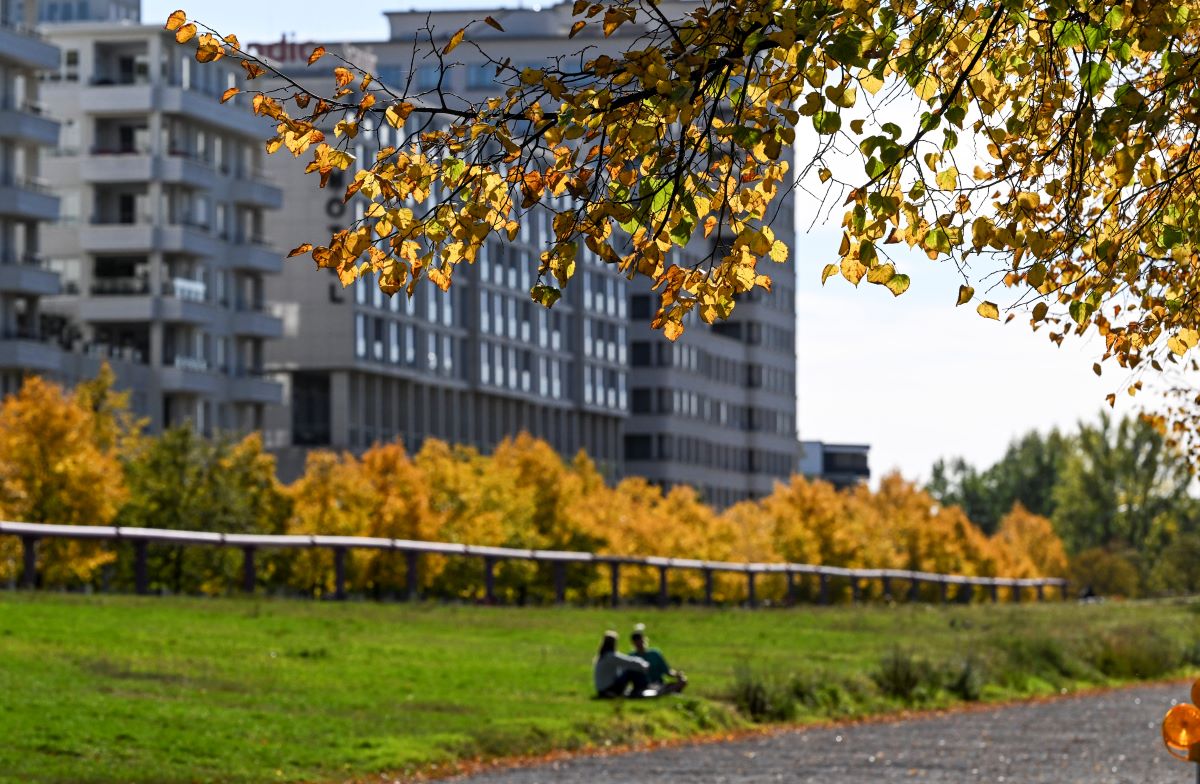
The European weather model (ECMWF) suggests that even in the mountains, around 1500 metres, temperatures up to 17C could be reached next week. Flat land regions could see temperatures up to or above 20C.
"First comes the wind and then comes a warm air blast…”, said meteorologist Dominik Jung at the start of his latest forecast.
He added: “In some parts of Germany, there could even be another summer day next week. This means high temperatures up to the 25-degree mark in some places”.
Comments