
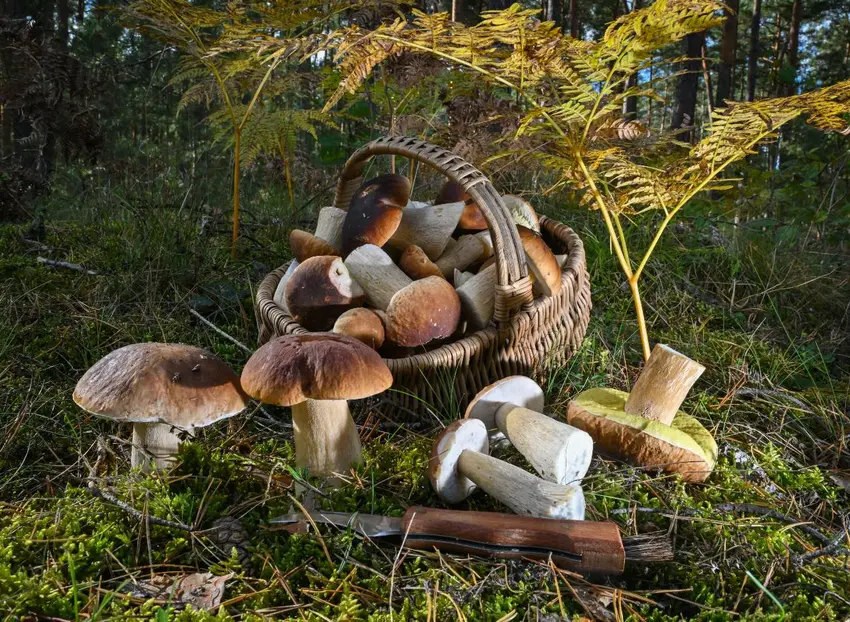
Though it may be hard to believe that summer's over, there's a lot to love about autumn in Germany. It's the season for spending afternoons in cosy cafes absorbed in a good book, preparing hearty Kürbissuppe (pumpkin soup) at home, and enjoying Germany's most beautiful and rugged landscapes as the leaves turn red and orange.
For lovers of the great outdoors, it's also the perfect season to try the popular German pastime of collecting mushrooms. The damp, misty nights and cool days between mid-September and late October offer the perfect climate for fungi to thrive, producing a glut of different mushrooms for keen-eyed scavengers to find.
Though seasoned Pilzsämmler (mushroom collectors) all have their own preferred spots for foraging, these are usually well-guarded secrets protected by the fungus-hunters' unwritten code.
That said, Germany is teeming with forests where endless varieties of mushrooms can be found - often near or around the pathways. Even if you're a complete beginner, these are the ideal places to take your first few steps into the world of mushroom-picking.
How to prepare for a mushroom foraging trip
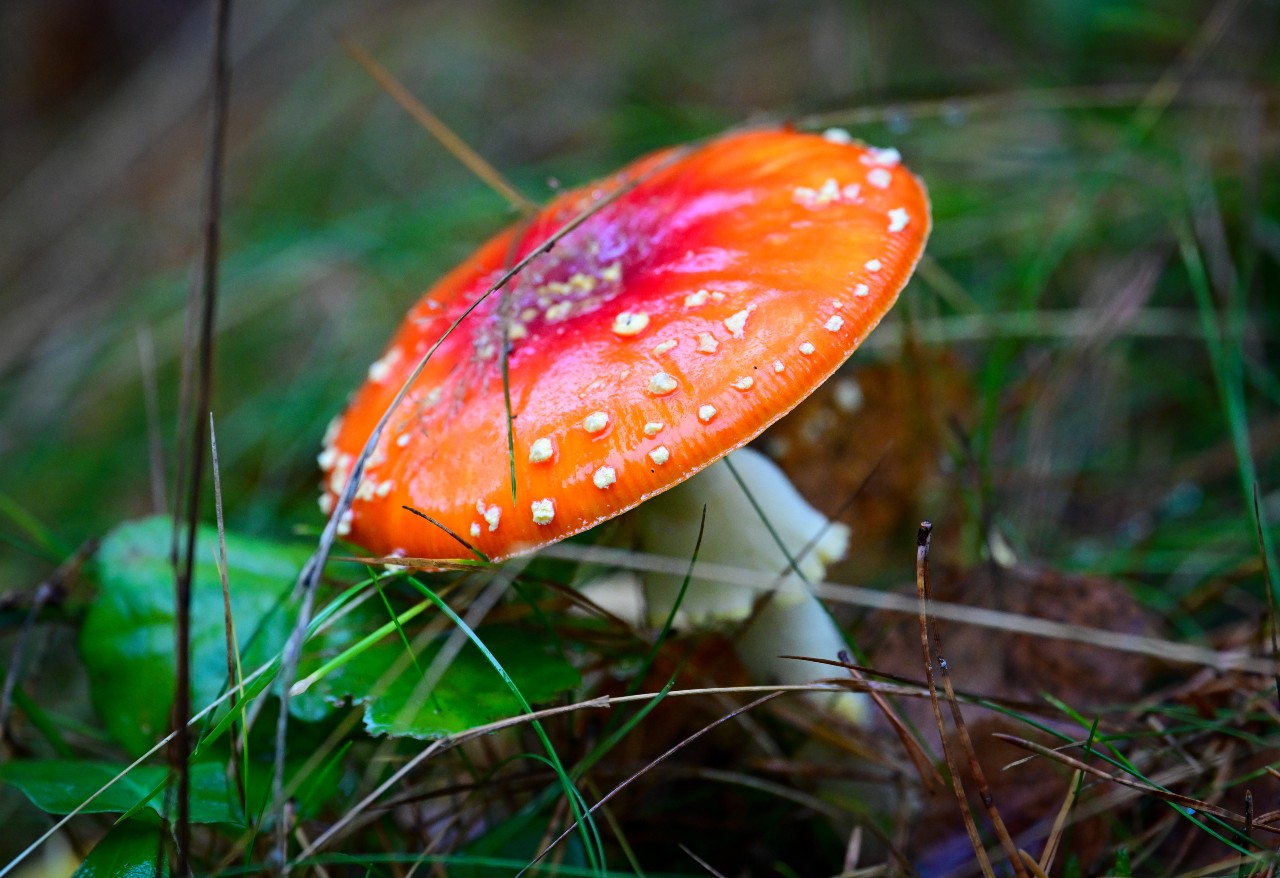
While gathering wild mushrooms in the fresh autumn air may sound very wholesome, there's always a risk of stumbling across poisonous species, including those that are deadly to humans.
If you're a novice or first-timer, you may want to take part in a local seminar or guided forage to gather some essential knowledge beforehand. Otherwise, bringing a friend who knows what they're doing is a great way to get the lay of the land.
Daniela Pensold, a keen mushroom collector and the founder of We Cycle Brandenburg, recommends that beginners head to fir forests on their initial outings. Though there are fewer varieties of fungus to be found here, there's a higher concentration of particular types that can be easier to vet and identify.
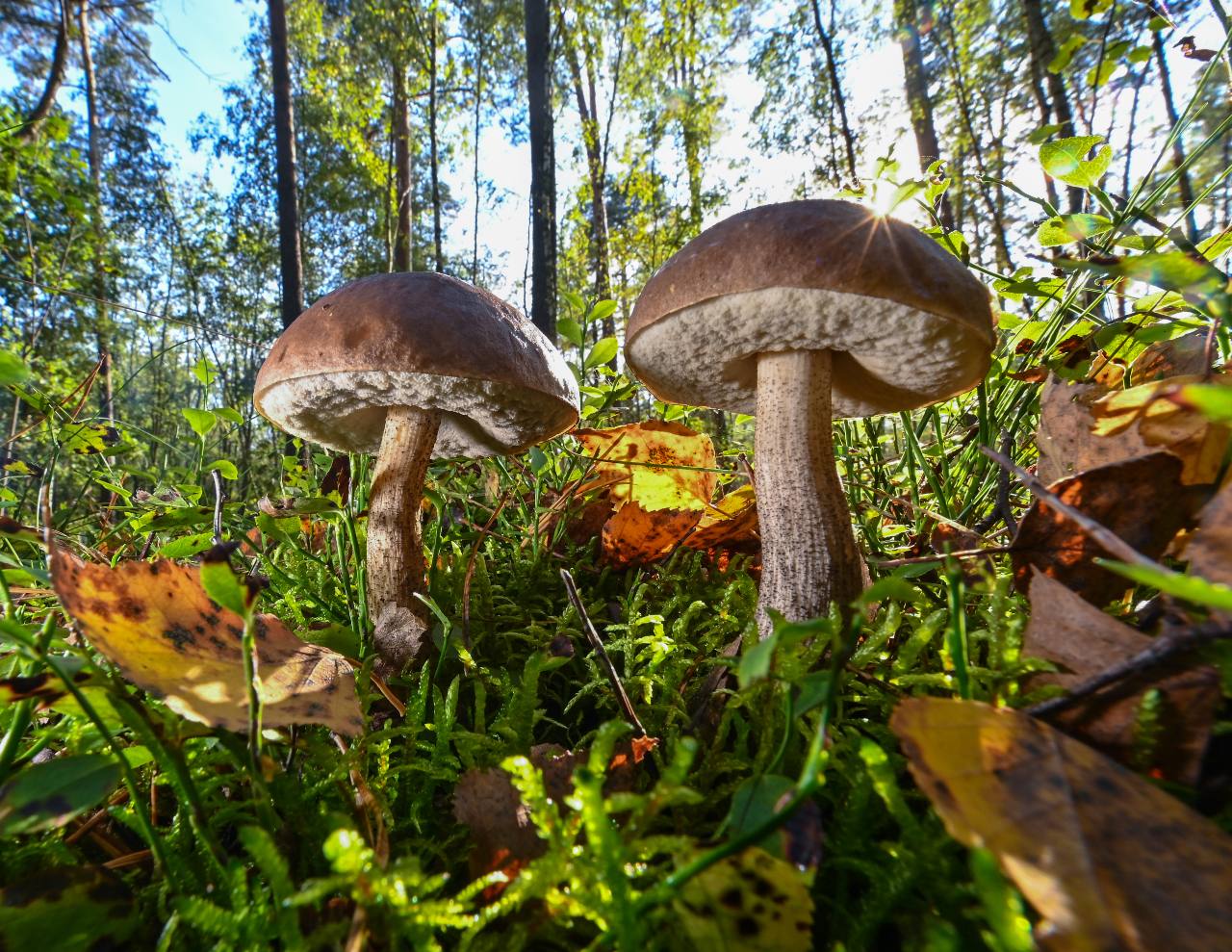
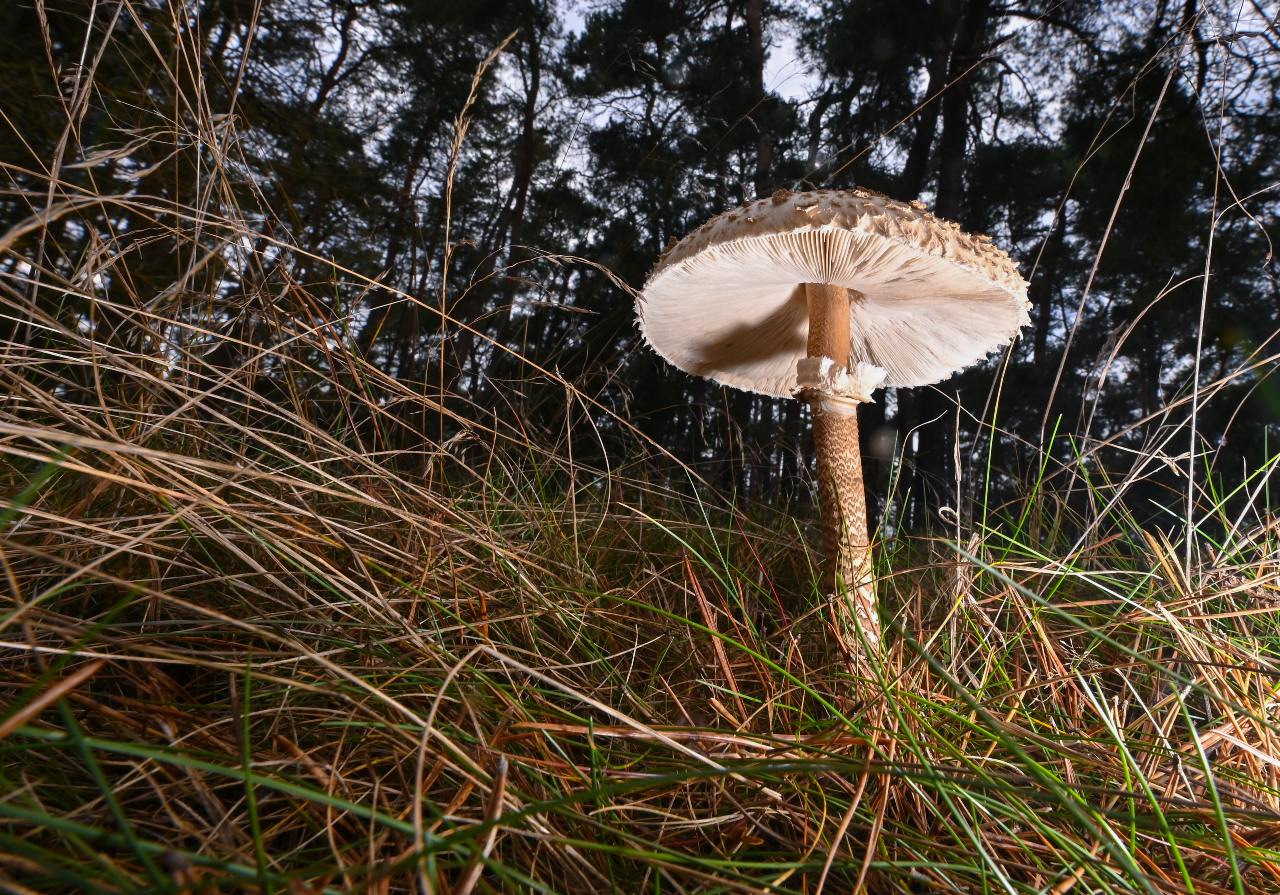
She's usually on the lookout for porcini, chestnuts, umbrella mushrooms, birch mushrooms, red caps and chanterelles, and generally leaves the harder-to-identify species alone.
READ ALSO: What's behind the German fascination with foraging for wild mushrooms?
If you're unsure, the best place to call is a Pilzberatungstelle - or mushroom advice centre - where you can get free advice from a specialised Pilzberater, or mushroom consultant. (Yes, that's a real thing.) Here's a list of some local experts and advice centres across Germany, prepared by the German Mycological Society.
In terms of equipment, at the minimum you'll want a breathable container like a a woven basket and a pocket knife for cleaning your haul.
To reap the best harvest, head out first thing in the morning. That way you'll get the pick of the bunch before the fair-weather mushroom pickers descend on your patch.
It's also a good idea to know the ground rules.
Under German law, wild mushrooms can be only be foraged for your own consumption (and family and friends of course) - but not to sell. In reality, that means anyone caught with several kilos of mushrooms in their basket is likely to have them confiscated and face a pretty hefty fine to boot.
Foraging inside nature reserves and on private property is also forbidden - as is picking protected species - so stick to the well-trodden path, and well-known varieties, if in doubt.
Popular mushroom-picking spots around Germany
With so many forests and wooded areas, there's no shortage of locations to seek out wild mushrooms in Germany, regardless of where you live.
To help you narrow it down, we've compiled some mushroom-picking hotspots around the country that are easily accessible from major cities.
Bavaria
With its verdant forests and hilly landscapes, Bavaria is a true paradise for both seasoned and novice mushroom-pickers.
Residents of Upper Bavaria are particularly spoilt for choice, with a multitude of options both in and around Munich. The Weltwald Freising is around 40 kilometres north of the Bavarian capital, and offers an astounding 16,000 hectares of woodland for foragers to explore. Similarly, those in the know say there are gems to be found in the forests around Dachau.
To the southeast of the city, the Ammersee region is also beloved of mushroom pickers, who can enjoy their hobby while relishing views of the scenic lake. It's good to have some experience if you head here, however, since it's known for offering varieties of fungus that are rarely found elsewhere.
In Munich itself, Perlacher Forest and Forstenrieder Park can be ideal locations for picking up porcinis.
Further north, Reichswald Nuremberg and the forests around Bayreuth and Coburg have been singled out by experts as ideal places to set off on a hunt.
Berlin and Brandenburg
Mushroom foraging is hugely popular in Eastern Europe, so it's no wonder that the eastern state of Brandenburg is such a magnet for Pilzsammler (mushroom pickers).
In the north of the state, the Schorfheide nature park is an iconic spot to head to in autumn. With its unspoilt natural landscapes, cascading fields and rugged woodland, you can enjoy the changing of the seasons while harvesting a wealth of chanterelles, porcini mushrooms, chestnuts and butter mushrooms.
With its famous chains of interlinked lakes, the Uckermärkische Seen Nature Park near the Mecklenburg border is also a popular destination for a mushroom-picking day-trip.
To the east of Berlin, the hilly Märkische Schweiz is a good place to try your luck, with porcinis, birch mushrooms and red caps all waiting to be found by keen-eyed foragers.
In Berlin itself, Grunewald and Tegel Forest, as well as the wooded areas around Köpenick, all offer a wealth of mushroom varieties that spring out of the earth in autumn.
READ ALSO: 10 German words to get you in the mood for autumn
Frankfurt and Hesse
Both within the city and in the surrounding nature, Frankfurt has plenty to offer budding Pilz-hunters, whether it's collecting handfuls of regional chanterelles or mouth-watering porcini mushrooms.
As you might expect, the Frankfurt Stadtwald to the south of the city tends to be the go-to spot for local pickers, and numerous guides offer walking tours here in September and October.
In the far north of Hesse, the expensive Habichtswald is also something of a pilgrimage destination for mushroom-lovers: the park offers introductory hikes for beginners and is known for its porcinis, red caps, chestnuts and butter mushrooms.
Less well known but equally promising are the hilly terrain of the Gladenbacher Bergland, as well as the Niederwald, which is located just a stone's throw from Wiesbaden.
Hamburg and Schleswig-Holstein
Though the windswept northern coast may not be the first place you think of when it comes to mushroom foraging, there are some stunning spots to get started both in and around Hamburg.
Close to the Hanseatic city state, the Niendorfer Gehege offers not just the chance to see deer and wild boars, but also plenty of regional mushrooms that grow in abundance in autumn.
Those in the know also recommend heading out to the Segeberger Forest, Sachsenwald and Harburger Berge to hunt down some natural treasures.
Further out in Schleswig-Holstein, the small Hüttener Berge Nature Park punches above its weight in terms of the sheer variety and volume of mushrooms it offers - so it's a great option for novices.
READ ALSO: Eight of the tastiest German foods for autumn
North-Rhine Westphalia
Germany's most populous state has a wealth of locations that are popular with mushroom collectors, as well as lively communities in major cities like Cologne and Düsseldorf that offer regular walking tours and seminars.
Though its a little further away from the big metropoles, a day trip to the Teutoburger Forest in northwestern North-Rhine Westphalia is a must for any mushroom enthusiast. This historic woodland is known for its impressive variety of fungus species in all shapes, colours and sizes.
In and around Cologne, the Wahner Heide and the Bergische Wald are the go-to locations, while Düsseldorf residents will want to try their luck in the sprawling Düsseldorfer Stadtwald.
Rhineland and Baden-Württemberg
For those living in the southwest of Germany, there's a veritable treasure trove of mushrooms to be found in the Black Forest.
This sprawling woodland stretches over a thousand kilometres and has captured the imaginations of writers and painters for centuries - and it also happens to be the go-to region for porcinis, chestnut and forest mushrooms, among others.
Further north near the French border, the Pfälzerwald or Palatinate Forest is a haven of unspoilt nature where unique mushroom species can be found, from rare emperor mushrooms to flake-stemmed witches boletes.
Comments