
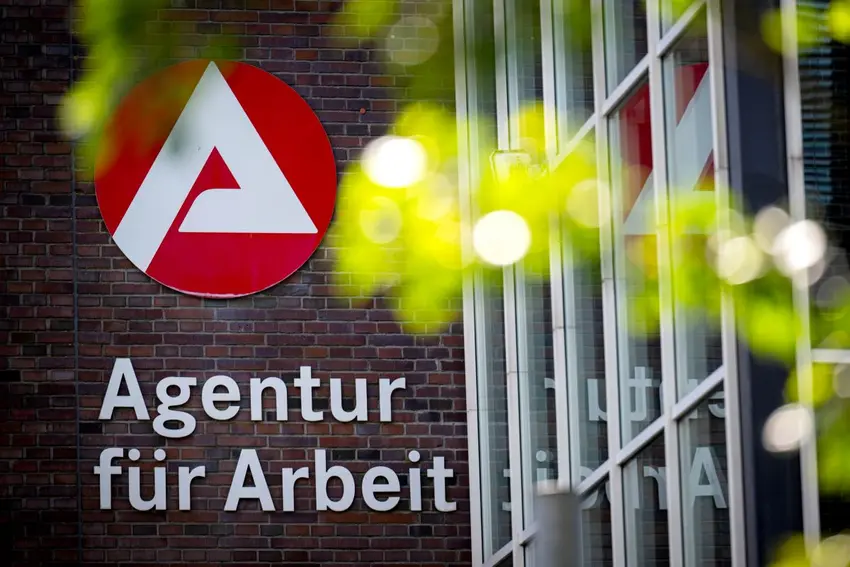
Germany's coalition government, made up of the Social Democrats (SPD), Greens and Free Democrats (FDP), is set to toughen up long-term unemployment benefits or Bürgergeld.
Many of the coming changes to Bürgergeld , also known as Arbeitslosengeld II (ALG II), were initially announced over the summer, but there had been ongoing debates over some of the details.
Now the cabinet has agreed the changes, the draft law will make its way to the Bundestag and Bundesrat to be voted on.
The changes come as part of the coalition's so-called "growth initiative". They are to apply from January 1st, 2025.
READ ALSO: How the German government wants to toughen up rules on unemployment benefits
Labour Minister Hubertus Heil (SPD) said that the reforms were intended to help people get back into work. "But those who do not follow the rules or cheat the system with illegal work must expect harsher consequences," Heil said.
Here's how Bürgergeld will change in 2025 if the law passes all the hurdles:
Bonus payment for jobseekers who find work
This part of the draft law is a new detail to emerge. Those who are long-term unemployed - this refers to people who have been out of work for more than 12 months - who manage to find a job will receive a one-time €1,000 'start-up' bonus.
However, there are conditions, including that they need to find work that is subject to social security contributions and maintain their employment for for a full year before receiving the bonus.
Also the one-time cash bonus comes with a block on receiving Bürgergeld for two years.
Those out of work could be pushed to commute further
When the reform comes into force, commutes of up to three hours a day in total will be considered reasonable for full-time jobs.
So if someone's work day amounts to six and half hours, they could be expected to accept a job that requires a one and a half hour commute each way, or else face sanctions on unemployment benefits. Bürgergeld recipients generally receive around €563 per month in 2024.
In general, the Job Centre (Bundesagentur für Arbeit) should be able to look for a job for a Bürgergeld recipient within a 50-kilometre radius of their home. By extending the potential commuting distance, the government hopes to get more unemployed people back to work.
Exceptions may be made, however, for people looking after children or relatives in need of care.
Harsher sanctions for refusing work or breaking the rules
People who refuse to accept work, or don't take part in a training or integration measure designed to get people back into the labour market without a valid reason, could have their allowance cut by 30 percent for three months.
This would include refusing to take a job they are qualified for that would require a three hour commute, for example.
The same penalty would apply to those who receive Bürgergeld and work illegally on the side i.e. don't report additional income. Employees at job centres will be required to report suspected cases to customs.
People will be expected to use their own assets sooner
Germany wants people to use their own assets before they receive Bürgergeld from the state. However, there is a protected amount of assets that do not have to be touched within a special grace period.
Until now, up to €40,000 of assets belonging to unemployed people would be protected for up to one year - meaning people could receive unemployment benefits for 12 months before dipping into their savings.
However, under the new plans the grace period is being reduced to six months.
On top of the €40,000 that is protected for individuals, an additional €15,000 is added for each additional dependent in the household.
READ ALSO: 'More layoffs' - How Germany's car industry crisis will hit the labour market
Strengthening efforts to find work for refugees
The government also wants to help bring refugees in Germany into work more quickly.
One attempt to support this is through the creating of so-called integration internships.
Employers who hire refugees who might have a limited knowledge of German can then release these employees to a vocational language course, and receive a salary subsidy to offset costs during this period.
Comments