
Hundreds of knife crimes at German train stations so far in 2024
There were 373 knife crimes at German train stations in the first six months of 2024, according to police data seen by news agency DPA.
In the whole of 2023 there were a total of 639 knife crimes.
Most knife-related offences in 2023 occurred at the train stations in Dortmund and Düsseldorf (33 offences each), followed by Frankfurt am Main (29).
In the first half of 2024, Hamburg (21), Hanover (19) and Cologne (15) were the stations with the largest numbers of knife crimes. Germany's 5,400 train stations are used by around 20 million travellers and visitors every day.
Interior minister Nancy Faeser wants to see stricter regulations for knives, including decreasing the allowable blade length from 12cm to 6cm and banning switchblades, Bild newspaper reported earlier this week.
READ ALSO: 'Half of Germans feel less safe' - why the interior minister wants to ban knives
More than a third of people in Germany can't cover unexpected expenses
Over one-third of people in Germany lack the financial means to pay for unexpected expenses, according to figures from the Federal Statistical Office, which were requested by the Sahra Wagenknecht Alliance (BSW) and made available to AFP on Sunday.
The number of people who are unable to cover larger, unexpected expenses from their own pockets is rising each year, the data showed. This year, it affected 35 percent of the population, 33.9 percent in 2022 and 32.2 percent in 2021.
The data comes from the EU-wide Statistics on Income and Living Conditions survey, which surveys around 40,000 households in Germany every year according to the Federal Statistics Office.
"The figures show a great deal of social insecurity in Germany, extending far into the middle class," BSW head Sahra Wagenknecht told AFP.
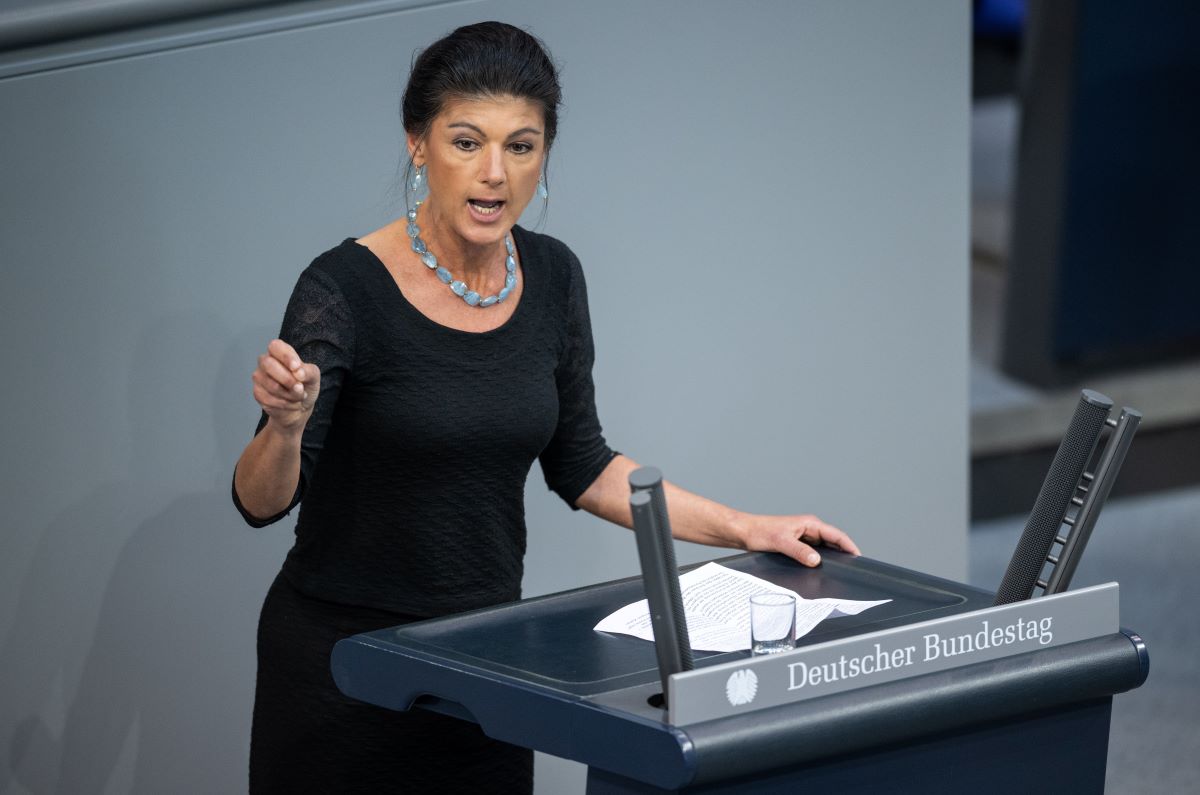
Sahra Wagenknecht's left-wing populist party has gained popularity in parts of Germany following her defection from the left-wing Linke party.
READ ALSO: Germany's crisis-hit far-left party seeks new leadership
The Alliance Sahra Wagenknecht (BSW) outperformed the Linke in the European elections, and surveys suggest the Linke will trail behind the upstart in regional elections in three eastern German states next month.
German Life-Saving Association alarmed at lengthy waits for children's swimming lessons
The German Life-Saving Association (DLRG) has raised the alarm about the lengthy waiting times – sometimes years-long – for children's swimming lessons and is calling for discussions between the government, states and municipalities to address the situation.
"The need is very great in most places and there are long waiting lists," DLRG President Ute Vogt told the Neue Osnabrücker Zeitung.
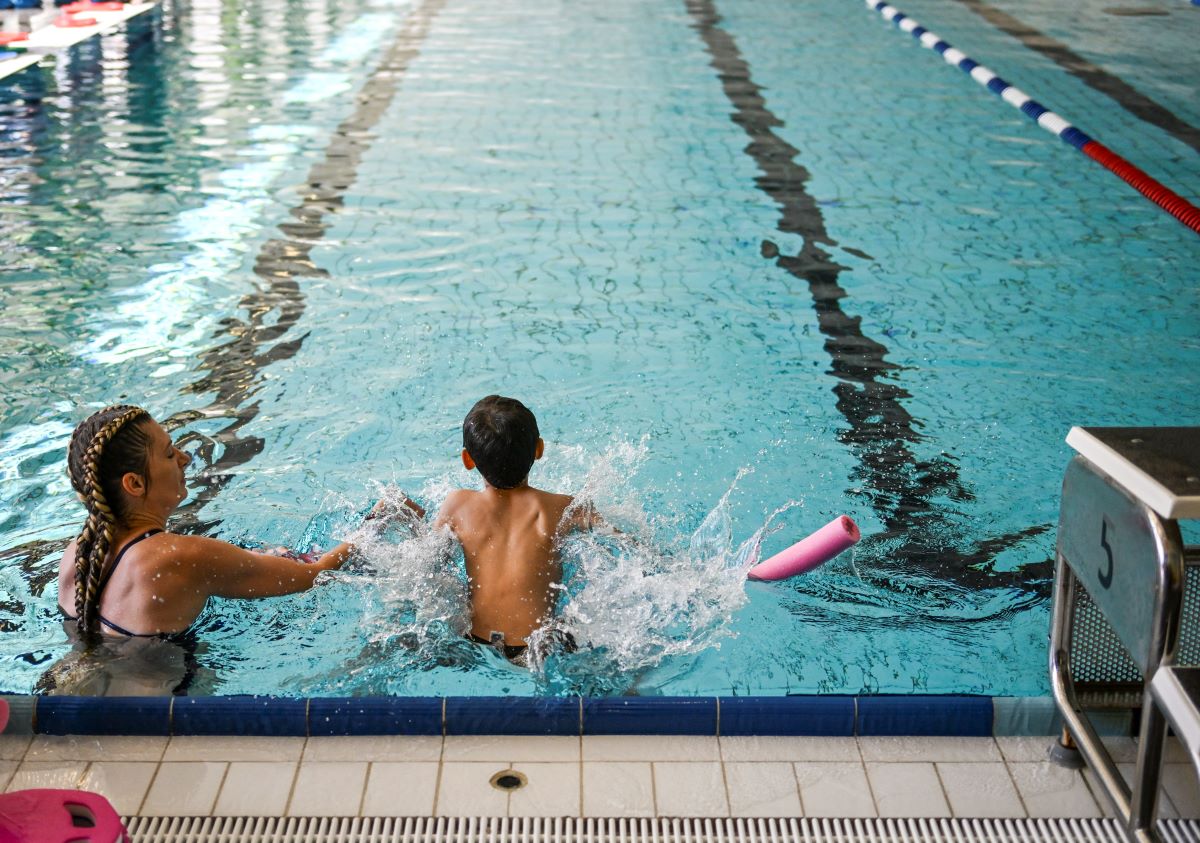
Vogt said that one of the main reasons for the backlog was the 'death' of swimming pools in Germany: many primary schools do not have swimming pools within easy reach and sometimes have to resort to pools in health clinics and hotels.
READ ALSO: Topless swimming fails to take off at Hamburg's public pools
Vogt called for clarity on where lessons could still be offered and appropriate funding to allow for municipal swimming centres to be built, particularly in regions with "yawning emptiness".
"The states include swimming in the curriculum, but do not take care of implementation and the municipalities are overwhelmed," he said.
East German universities particularly strong in patent applications: German Economic Institute
Eastern Germany is particularly successful when it comes to student inventions and patenting these, according to a new study by the German Economic Institute showed, as the newspapers of the Funke Media Group reported on Sunday.
Between 2017 and 2021, universities in Saxony and Thuringia registered 5.1 patents per 1,000 students, more than double the national average of 2.0 per 1,000 students.
The performance of the higher education systems in Saxony and Thuringia is impressive, study author and IW patent expert Oliver Koppel told the newspapers, highlighting the increasingly large proportion of foreign inventors in East Germany's patent strength. The contribution of German researchers is expected to continue to decline in the coming years due to demographic changes.
According to the analysis, between 2017 and 2021, 19.3 percent of all patent applications in the higher education sector were made by inventors with foreign roots.
Only two-thirds of Germany covered by reliable 5G mobile phone reception
In Germany, 95 percent of all households can make calls and surf the internet using the fast 5G mobile network, but outside their homes, only two-thirds, or 63 percent of the country, are covered by a reliable 5G connection, according to a market analysis carried out by comparison portal Verizon and reported on by the Funke Media Group newspapers on Sunday.
"The 5G coverage of German households stated by the network operators suggests a much better coverage than what is actually achieved," Jörg Schamberg, telecommunications expert at Verivox, told the newspapers.

"Sometimes topographical obstacles also make expansion more difficult, especially in the south," said Schamberg, adding that the development of sparsely populated areas was also less lucrative and often more complicated for network operators, creating further obstacles.
In some communities in parts of Bavaria, Rhineland-Palatinate and Baden-Württemberg, 5G coverage is below 20 percent.
READ ALSO: Germany weighs ban on Chinese parts in 5G networks
Germany's Duden dictionary updated with 3,000 new words
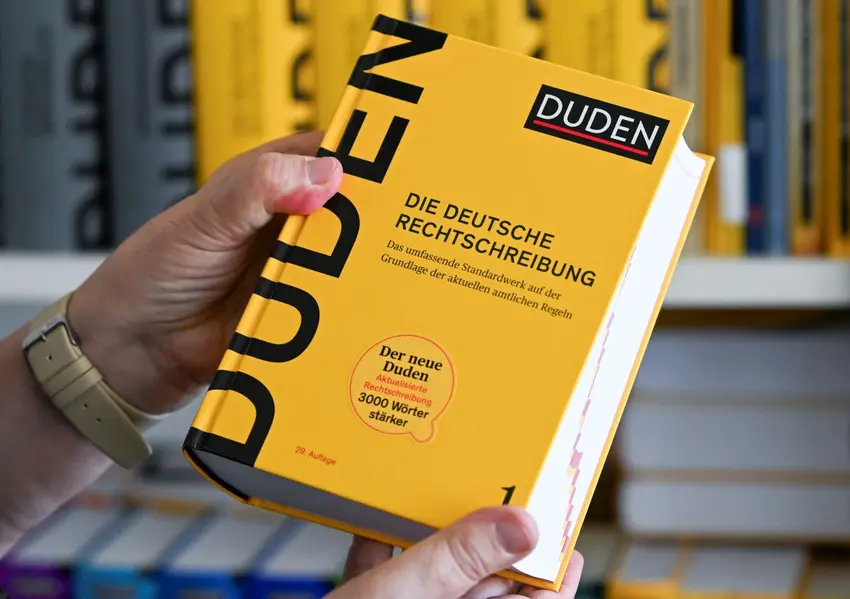
Germany's beloved Duden dictionary has had an update and, as well as including all the latest spelling changes, the latest edition features 3,000 new words.
Unsurprisingly, many of these are borrowed words or expressions from English, such as 'upskirting,' 'catcalling' and pampern (pampering).
But there are also other terms that reflect current social developments, such as Coronaleugner (Covid denier), Klimakleber (climate activists who glue themselves to things) and Ukrainekrieg (war in Ukraine) and language trends, like Quetschie, a word used to describe the squeezable (quetschen - to squeeze) packets of fruit purees that are sold as snacks for children.
With reporting by AFP and DPA.
Comments