
Horror stories about long wait times for naturalisation in Berlin abounded before the federal government's recent citizenship reform law passed in June. People living in districts like Pankow were reporting wait times of two years or even more to actually become German after sending in their applications.
With the reform law having passed, which both reduced the time someone needed to have been in Germany before applying for citizenship from eight years to five - and allowed dual citizenship, more people are now eligible to apply for German citizenship. Others who have been eligible for years or even decades are finally sending in their applications - now that they can keep their original passport.
READ ALSO: How I finally got German citizenship in Berlin after six years of waiting
So it's probably no surprise that a city already backlogged with applications has seen a 193 percent spike in new citizenship filings. According to a spokesperson with the city state's immigration office, over 26,000 applications have been sent in so far this year in Berlin - in a city where only 9,000 were processed in 2023.
READ ALSO: Berlin receives over 5,000 German citizenship applications after law change
But just how is Berlin dealing with the problem - and are improvements expected?
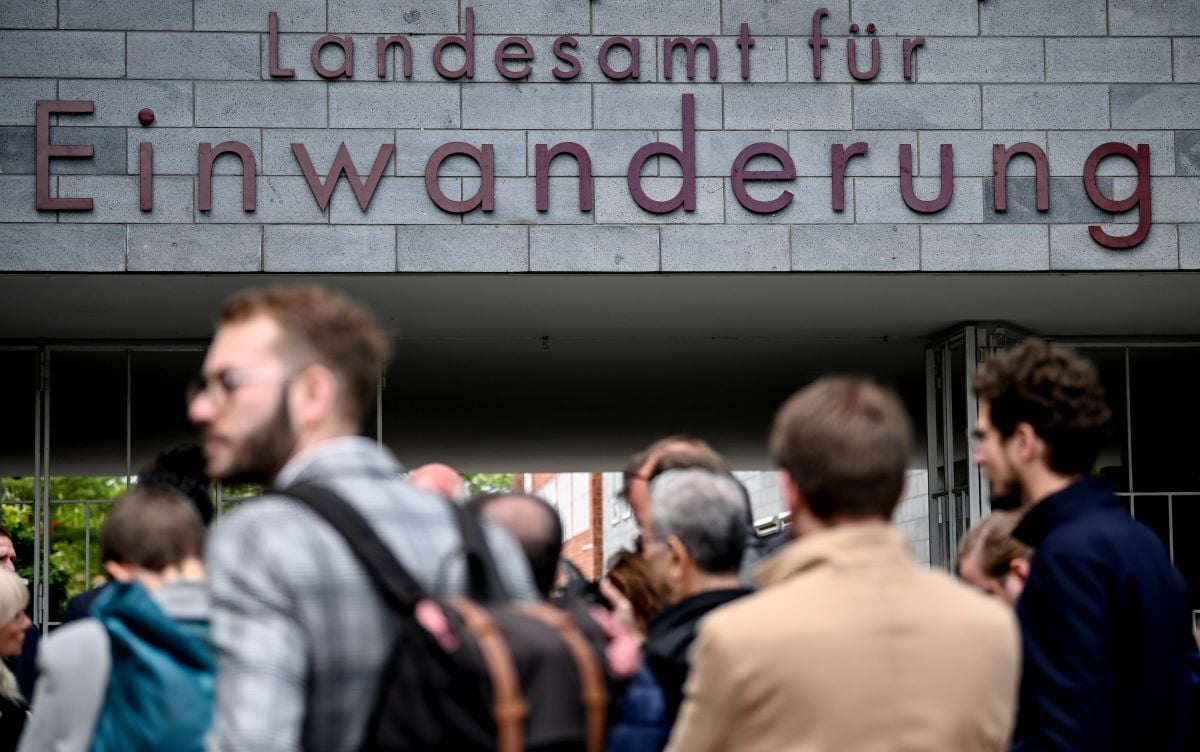
The state's new centralised immigration office or Landesamt für Einwanderung (LEA) took over applications from the city's individual district offices at the beginning of this year and introduced digital applications with the "Quick Check" tool - which allows prospective applicants to verify whether they meet all the requirements.
LEA also has around 200 dedicated staff - more than double the 90 or so who were working on citizenship applications in Berlin's individual district offices before LEA was set up.
Katharina Senge, who serves as integration spokesperson for Berlin's governing Christian Democrats within the state parliament, told The Local the new measures have seen encouraging first results.
“With the naturalisation process in Berlin having been centralised at the beginning of the year and also digitised and more staff made available, new applications have been processed much more quickly since the beginning of this year than was sometimes the case before,” she says.
That said, Senge adds that applications from the first half of 2024 would involve submissions before the citizenship reform law came into effect - meaning that a large group of people currently eligible would not have been able to submit then. However, prior to the law change, applications sent with requests to naturalise while keeping original citizenship were often the most time-consuming to process. With that no longer necessary and the digital improvements, individual applications may end up taking less time for LEA officials to approve - even as the volume of applications goes up.
Senge also expects the current backlog to be temporary, given that authorities are having to deal with the rush of applications prompted by the new law - but this should eventually ease.
How long might the delays last?
Orkan Özdemir, who serves as the integration and anti-discrimination spokesperson for the co-governing Social Democrats in Berlin's state parliament, told The Local that Berliners can probably expect another 12 months or so of delays as LEA authorities clear the current backlog. After that, he expects the situation to improve dramatically, with some groups already seeing particular benefits from the new centralisation and digitalisation processes.
"The restructuring has led to a massive increase in effectiveness," he says. "For EU citizens, the simplified processes are working very well. The goal for the next year is to process all groups without major delays or waiting times."
Özdemir says LEA is still processing old applications from the city's districts and the office is still not fully staffed.
"Once that happens, naturalisation in Berlin will surely become an example of good practice," he says. "As a general rule, problems should be fewer and fewer as time progresses."
READ ALSO: How to get a speedy response on your German citizenship application
What should applicants do in the meantime?
Özdemir and Senge say that a citizenship applicant concerned about the status of their application amidst the backlogs should always first liaise with LEA directly. After that, they can think about seeking outside legal advice.
In specific cases, you may want to write your member of state parliament (MdA). But generally speaking, you should do this only if you suspect a serious structural problem within the authority itself that is affecting your application, along with others - rather than to ask about the status of your individual application, for example.
Despite the progress so far, Berliners can still expect to wait on citizenship processes lasting several months at least - although that can depend on the individual case.
READ ALSO: Does hiring a lawyer speed up your German citizenship application?
Comments