

When the Covid-19 pandemic hit in 2020, many governments around the world - including Germany - mandated that people work from home if their job allowed it.
Germany even introduced a 'home office' tax deduction to offset heating, electricity and other costs - and it is still in place. In the four years since the pandemic, remote work has continued for lots of workers.
READ ALSO: How employees in Germany can pay less tax this year for working from home
But many employers have been trying to get their staff back into the office - either full or part of the time.
The disagreements have led to disputes. For instance, at software firm SAP's headquarters in Walldorf, Baden-Württemberg, a row has been brewing for months over working from home.
The Executive Board wants to bring employees back into the office more often - but staff are fighting back, German broadcaster Tagesschau reported this week. At the beginning of June, the dispute even ended up in court. Now an internal arbitration centre is to clarify what a solution for both sides could look like.
Many SAP employees are pinning their hopes on the German coalition government, which has previously announced a right to work from home.
Labour Minister Hubertus Heil, of the Social Democrats (SPD) planned a legal entitlement to at least 24 days of working from home per year - provided there are no operational reasons against it.
Under the plans unveiled in 2020, Heil said that he wanted the 24 days to be understood as a lower limit, and that employees and employers could also agree individually in collective agreements or company deals to work remotely more often.
However, in 2022 Heil appeared to backtrack on the plans, outlining that he wanted to make home office an option for employers to offer staff rather than a rule. This was apparently due to pressure from coalition partners, the Free Democrats (FDP), and employers' associations.
So far, the 'right to home office' has not been implemented in law. The Labour Ministry has so far only presented non-binding measures for occupational health and safety in the case of hybrid screen-based work.
READ ALSO: German government set to introduce permanent 'right to work from home'
Greens pushing for 'right to work' regulation
These non-binding measures are not enough for the Greens, who are a coalition partner along with the SPD and the FDP.
The Greens are insisting that the agreement has been approved by the coalition and they want to implement the right to work from home.
"We've been saying time and again that we want to have a regulation," said Beate Müller-Gemmeke, member of the German parliament and labour market expert for the Greens. "Recommendations are not enough for us."
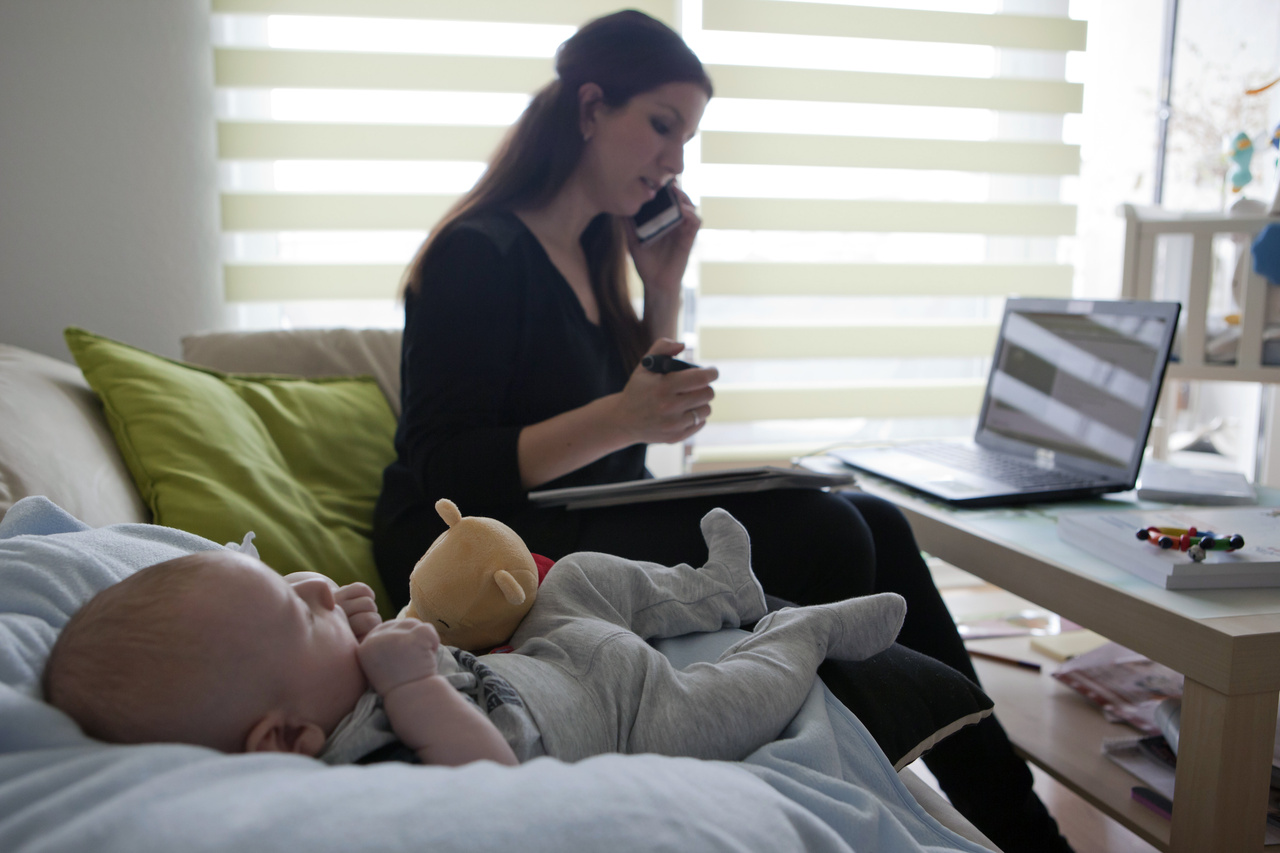
Working from home is particularly important for women "in order to reconcile family and career," said Müller-Gemmeke.
However, the plan has received harsh criticism from the opposition Christian Democrats (CDU), and their Bavarian sister party, the CSU from the start.
Julia Klöckner, economic policy spokesperson for the CDU, said a right to work from home would be a bad move for the economy as things stand. "Our economy really does have other problems at the moment, rather than having to deal with bureaucratic requirements and transition costs again," Klöckner said.
Labour Ministry gives no clear answer
So what does Labour Minister Heil say to all of this? Will the right to work from home still become a reality in Germany as previously agreed?
In response to a request for an interview by ARD-Hauptstadtstudio, his ministry only replied in writing. The ministry said that they wanted to keep an eye on developments and "review whether and, if so, which adjustments to the legal framework are necessary" when it comes to a right to home office. When asked whether the plan would be implemented at all, a spokesperson gave an evasive answer, stating that it was being monitored and reviewed, but the government did not make a clear commitment to introducing a right to work from home.
The issue is clearly not high on the Labour Ministry's agenda at the moment - something that will be a disappointment to the workers in Germany looking for legal backing on the 'home office' question.
Comments