
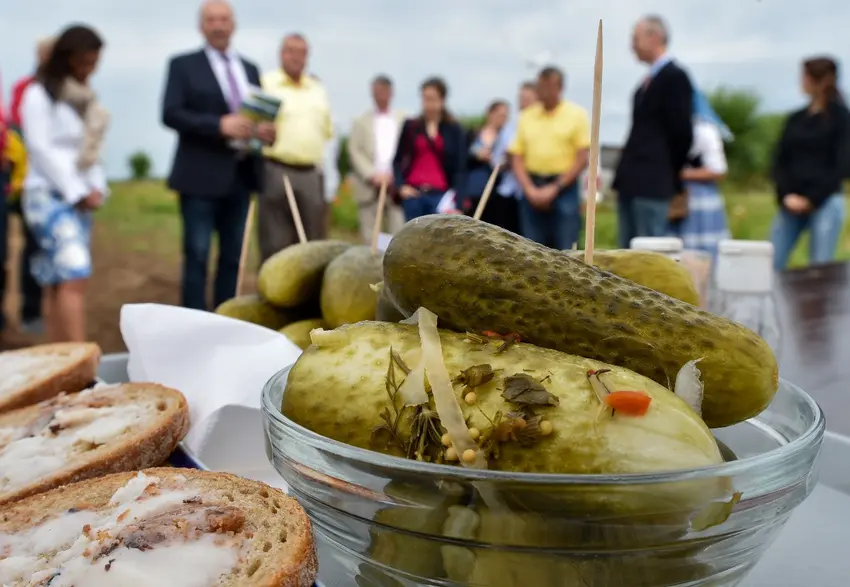
Inside Germany is our weekly look at some of the news, talking points and gossip in Germany that you might not have heard about. It’s published each Saturday and members can receive it directly to their inbox by going to their newsletter preferences or adding their email to the sign-up box in this article.
German cities see surge in citizenship applications
It is just over a month since the citizenship rules changed. People naturalising in Germany can now keep their origin passport, whereas previously many non-EU nationals had to renounce their nationality to become German. Residents can also apply to become German after five years of living in the country instead of the previous eight.
Everyone expected the number of applications to rise in the aftermath of the law change. But new figures that we reported on this week give some insight into just how many foreign residents are taking the plunge to become German.
From June 27th to July 21st, Berlin received over 5,000 applications, according to figures compiled by German news agency DPA. By comparison, there were only 1,707 applications in the same period last year in Berlin - that's equal to an increase of around 193 percent.
According to figures compiled by Bild newspaper, around 2,031 people submitted an application in Hamburg in the last four weeks, compared to 1,153 in the same period a year ago.
Other parts of Germany have also seen a spike in interest for naturalising.
Those who are applying should be prepared for a long and drawn-out process. Citizenship offices have been struggling with huge backlogs for years.
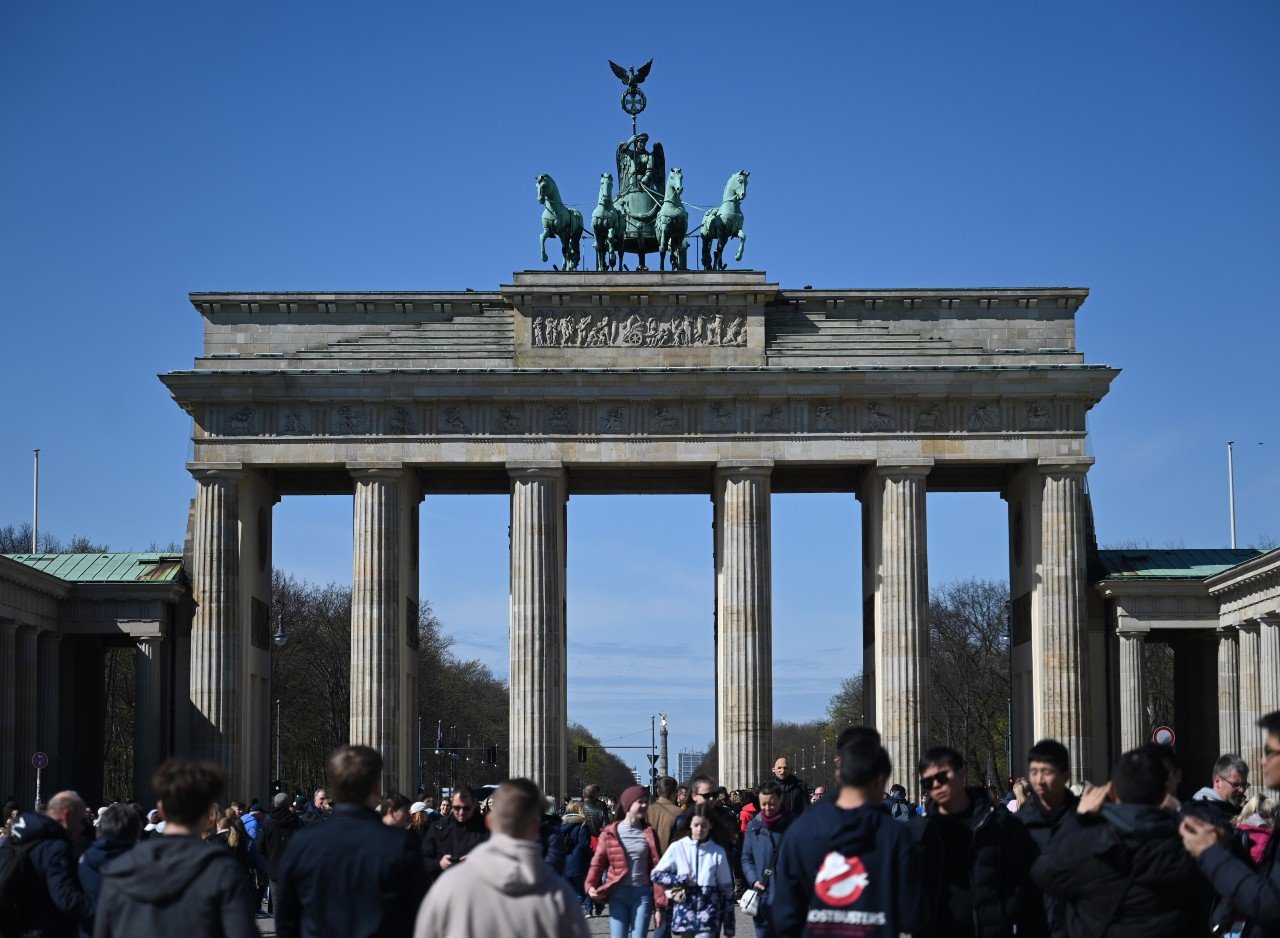
Many authorities are trying to address the problems by bringing on new staff and smoothing out procedures.
The process of acquiring citizenship in Germany can take anywhere from a few months to several years in some cases.
There was recently some good news from Berlin, though. The immigration office there said it had significantly reduced the processing times for applications with its new digital system introduced at the start of the year.
Meanwhile, a new law this week should result in administrative tasks in Germany becoming easier. The Online Access Amendment Act sets the framework for further digitalisation of authorities and is central to user-friendly and fully digital processes, according to the government.
It should mean fewer trips to local authority offices by allowing people to file bureaucracy online - and has certainly been a long time coming.
Summer 'silly season' and closures
We're now into August and you've probably noticed it already - the streets are quieter and few people seem to be around. July and August are the months when Europeans typically take long vacations.
In Germany, that means local businesses - such as restaurants, cafes and shops - close for weeks at a time. You'll find notices on doors and windows telling customer that they are 'im Urlaub' (on holiday).
Now also begins 'das Sommerloch' (the summer slump), also known as 'silly season' in English. It is typically used by the media during the break when it's harder to find stories because many people are away, including politicians.
Another good German word for this period is 'die Sauregurkenzeit' , which means 'pickle time'. It originates from the 18th century, when pickles from the local Spreewald in Brandenburg would make it to shop shelves in Berlin during the late summer (more on pickles below!)
READ ALSO: 8 ways to enjoy summer like a German
Local delicacies galore
This snapshot of local German snacks shows just how diverse the culinary offering is here in Deutschland. How many have you tried?
Here is the map that makes me miss Germany the most! Source: https://t.co/WACZSqpT4R pic.twitter.com/J6PWdSirfO
— Simon Kuestenmacher (@simongerman600) July 31, 2024
Pickle-mania in Spreewald
Speaking of regional favourites, I was delighted to fully embrace the humble Gurke on a recent trip to Lübbenau in Brandenburg.
The Spreewald region is famous for its winding waterways, pickles and the assorted dips and oils that come with them.
Spreewald is so rich in biodiversity that the area was given the title of an UNESCO Biosphere reserve in 1991. Around 50,000 people live in the area in 37 villages and the towns of Lübben, Lübbenau and Vetschau.
Just over an hour from Berlin on the train, Lübbenau is the perfect spot to enjoy a nature retreat.
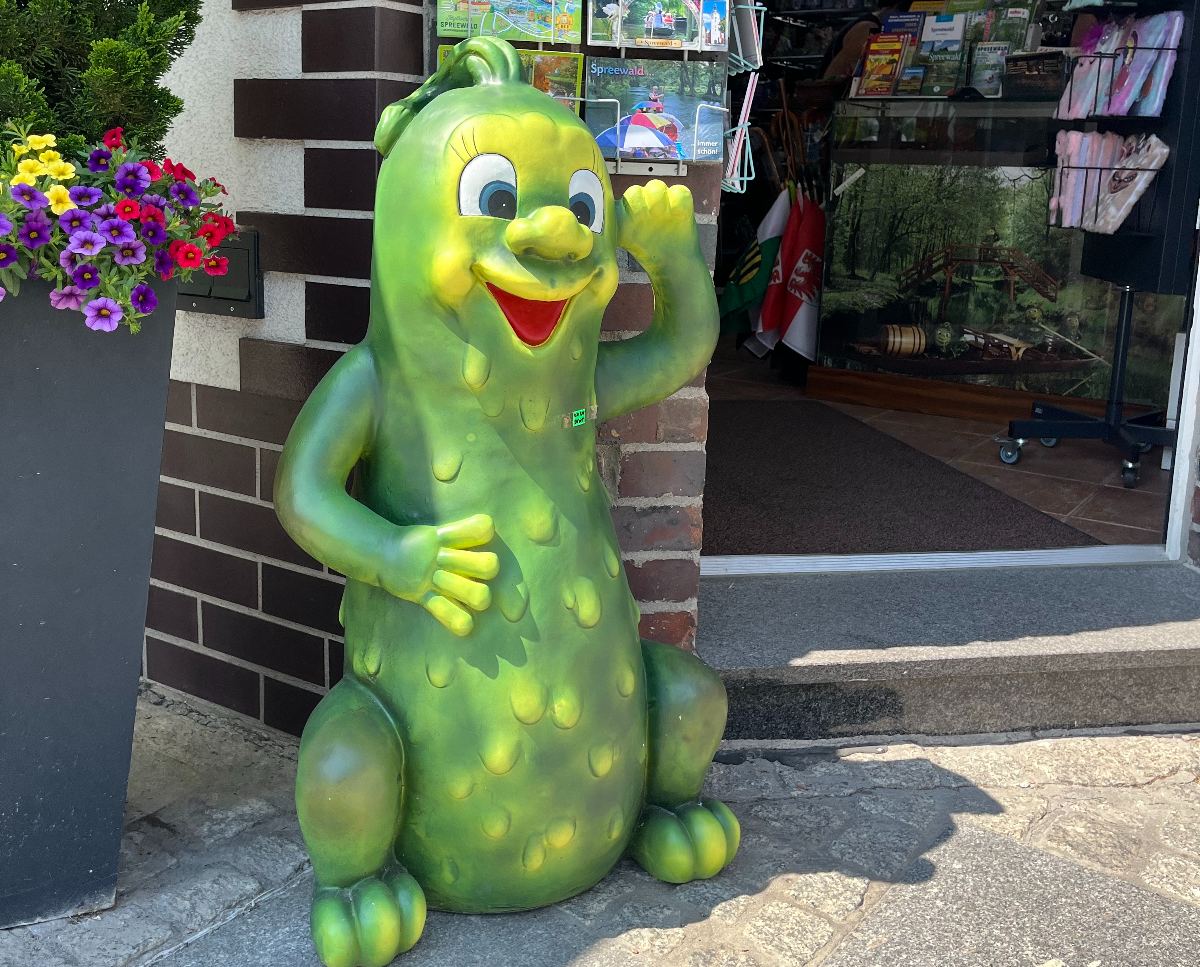
After some water sports or a boat ride, you should tuck into a well deserved meal.
Spreewald produces around 50 percent of Germany's pickles - and they sure know how to make the most of them.
You'll find every kind of Gurke delicacy, from a selection of pickles, bread and spreads (the Senfgurke - a gherkin pickled with mustard seed - is delicious) to Gurkensuppe - and even Gurkenlimonade.
Comments