
Inside Germany is our weekly look at some of the news, talking points and gossip in Germany that you might not have heard about. It’s published each Saturday and members can receive it directly to their inbox by going to their newsletter preferences or adding their email to the sign-up box in this article.
Germany pushes ahead with plans to shake up tax system
It may not be the most exciting of topics, but taxes are something we all have to deal with - and there are quite a few changes afoot in Germany’s tax system that are set to come into force next year.
With the cost of living soaring, Finance Minister Christian Lindner has been looking at ways to reduce people’s tax burdens, and his package of reforms was approved by the cabinet this week. The headline changes are increases to the basic tax-free allowance and the tax-free child allowance for families, which will go up incrementally over the coming years.
By 2026, the basic allowance will be set at €12,336, while the child allowance will go up to €6,828.
There will also be a shake-up of the thresholds for different tax brackets to make sure pay raises aren’t eaten up by inflation, as well as some important changes for couples who file tax returns together – but no change to the ‘marriage splitting’ rule, or Ehegattensplitting as it’s known as in German.
The plans have been criticised by left-wing politicians for benefiting the rich and squandering tax revenues at a time when money is tight, but Lindner says his reforms are all about fairness. What do you think of the planned changes? Let us know by dropping us an email at news@thelocal.de
Tweet of the week
Du and Sie may be the first thing a lot of German learners learn, but it’s tricky to get right in every situation. To whoever made this helpful flowchart for navigating Germany’s social niceties on the go, we’re eternally grateful.
One part of German I've struggled with is whether to address people with Sie or Du.
— Nic Houghton (@40PercentGerman) July 23, 2024
Germans have internalised it to such an extent they're awful at explaining when to use them.
Luckily, I found this, but how simple can grammar be when it needs a flowchart to explain? pic.twitter.com/SLCqO5ADN6
Where is this?
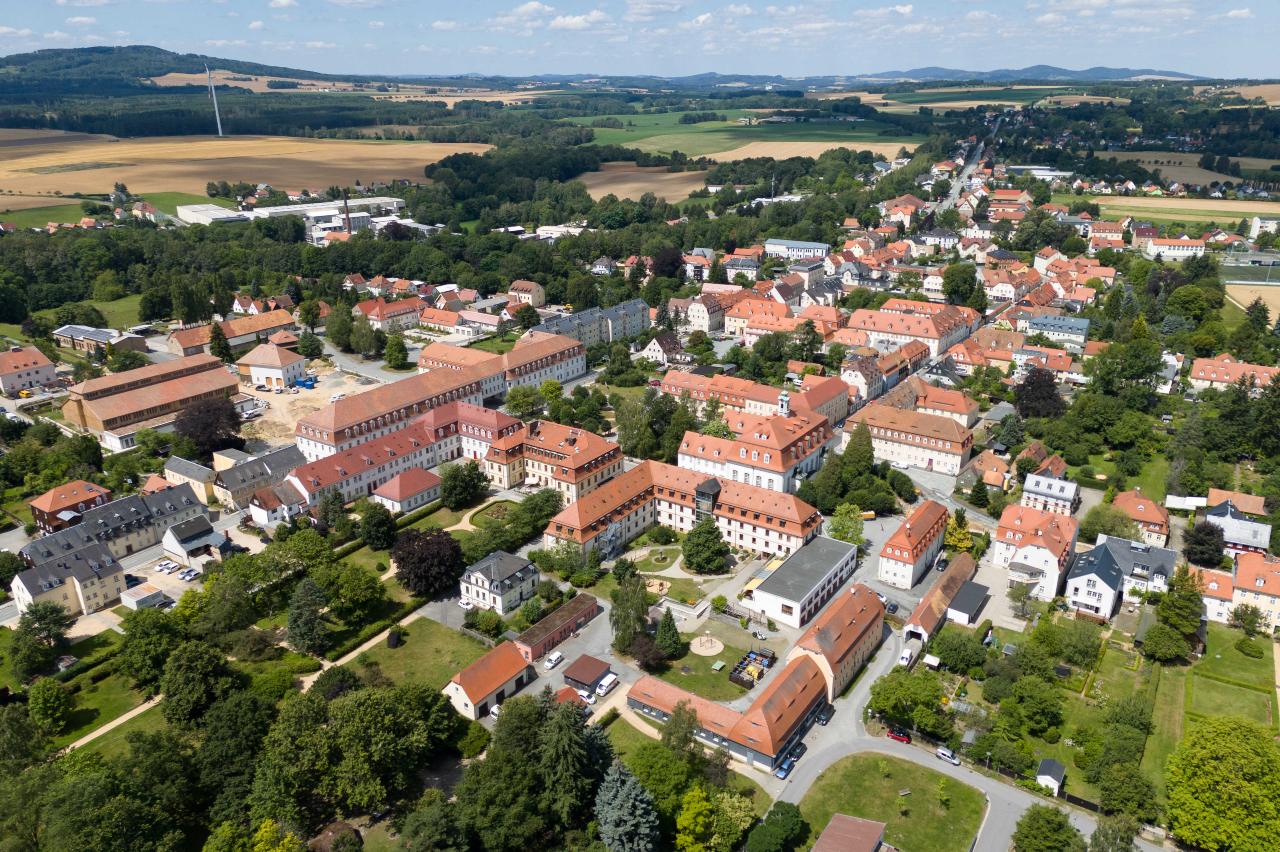
The pristine little town may look fairly ordinary, but due to its extraordinary history it has become the latest place in Germany to be named a UNESCO World Heritage Site.
Herrnhut in Saxony is known for being the birthplace of the Moravian Church after religious refugees from Moravia founded the new village way back in the 18th century. Herrnhut - which mean’s “Lord’s Watch” - has since been used as a blueprint for other evangelical settlements.
READ ALSO: Saxony's Herrnhut added to Germany's list of UNESCO World Heritage Sites
Did you know?
The Olympics got off to a bumpy start in Paris on Friday when several arson attacks paralysed France’s rail network, but athletics enthusiasts haven’t let that dampen their spirits.
Ahead of the opening ceremony, Germany launched its own bid to host the Olympics for the fourth time in 2040, careful to avoid the 2036 date that is associated with the notorious 1936 tournament held under National Socialism.
Though Germany’s history of hosting the Olympics isn’t a happy one - the last tournament in Munich was hijacked by a deadly terrorist attack - the country does punch well above its weight when it comes to medals.
The country with the most medals is the United States, with a total of 3,105 following the Beijing Winter Olympics in 2022. But Germany comes in second with an impressive 1,211 medals of its own, including 384 golds.
Though it won’t be able to catch up with the USA this time around, it could still bring home a few more golds this year, particularly in sports like dressage, basketball and - of course - table tennis.
READ ALSO: How to watch the 2024 Paris Olympics in Germany - and who to look out for
Comments