
According to reports in DPA based on information shared by former Left Party politician Sahra Wagenknecht, around 1.08 million pensioners who had paid into the pension pot for four and a half decades currently take home less than €1,200 per month.
The situation is particularly severe in East Germany, where around a third of long-term employees earn a pension that comes in below the EU average.
In states like Brandenburg, around 71,000 people receive a pension of less than €1,200 after 45 years of contributions, compared to 212,000 who receive more. In Saxony, meanwhile, 145,000 people fall below this threshold, while 363,000 are above it.
With around 40 percent of pensioners taking home less than €1,200 per month, Thuringia has the lowest average pensions in the country, with 74,000 earning below the threshold and 189,000 earning above it.
According to Germany's statistical agency, the average monthly expenditure across the country is €2,846.
Stark regional differences
In Germany, people generally have to pay at least 35 years of contributions in order to receive what's known as the Grundrente - or basic pension - but contributing for at least 45 years allows them to retire early.
READ ALSO: How long do you have to work to receive a German pension?
When Wagenknecht inquired about the average pension after at least 45 years of contributions the government responded that it was €1,604 nationwide. In December 2023, the average was €1,663 in western states and €1,471 in the eastern states.
Hamburg and North Rhine-Westphalia topped the list with averages of €1,721 and €1,709 respectively, while all western states, as well as Berlin, exceeded €1,600 per month.
In contrast, Brandenburg (€1,500 euros), Saxony (€1,458), Mecklenburg-Western Pomerania (€1,455), Saxony-Anhalt (€1,452), and Thuringia (€1,437) were on the lower end.
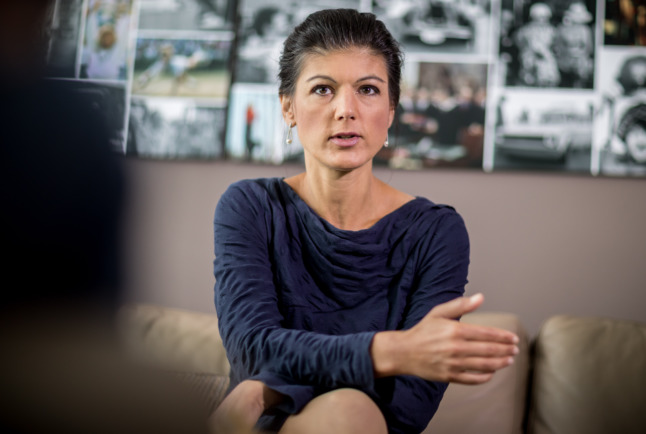
Slamming Germany's current pension system, Wagenknecht said: "€1,604 euros as an average pension after 45 years of work highlights the weakness of the German pension system. The fact that one in five pensioners gets less than €1,200 after 45 years of work is a political scandal."
Wagenknecht defected from the leftwing Linke party earlier this year in order to found her own party: an economically left but socially conservative platform known as the Sahra Wagenknecht Alliance (BSW).
READ ALSO: Why is a German populist left leader launching a new political party?
The veteran leftist politician is hoping to make strong gains in the upcoming state elections in Brandenburg, Saxony and Thuringia, which are set to take place in September.
Why do so many people have low pensions?
Depending on life circumstances, pensions in Germany can come in far lower than average - and this is partly to do with the way the German pension system works
Under the current law, people can claim a pension in Germany after just five years of contributions, which might include people who have only lived in the country a short time, self-employed people or stay-at-home parents. Women are often impacted by career breaks, part-time work and lower wages, making them far less likely to retire on a healthy pension.
That means that, despite being eligible for a state pension, there are a large number of people receiving a low amount each month.
In response to a DPA enquiry, the Ministry of Labour pointed out the amount people receive in their state pension rarely reflects a household's total income, as many seniors have other income sources, such as private or workplace pensions. They also pointed out that small pensions often belong to women who live in households with sufficient overall income.
READ ALSO: Is it worthwhile to set up a private pension plan in Germany?
However, Wagenknecht argued that Germany should follow Austria’s example, where the average pension for long-term contributors is €800 higher.
In Austria, almost all workers, including public employees, contribute to the state pension system, and employees must pay into the pot for at least fifteen years before being able to claim a state pension in their old age. In addition, Austrian employees pay higher contributions and receive more state subsidies for their pensions, which means can retire earlier: aged 60 for women, and aged 65 for men.
READ ALSO: EXPLAINED - Can you take your German pension with you when you move abroad?
Comments