
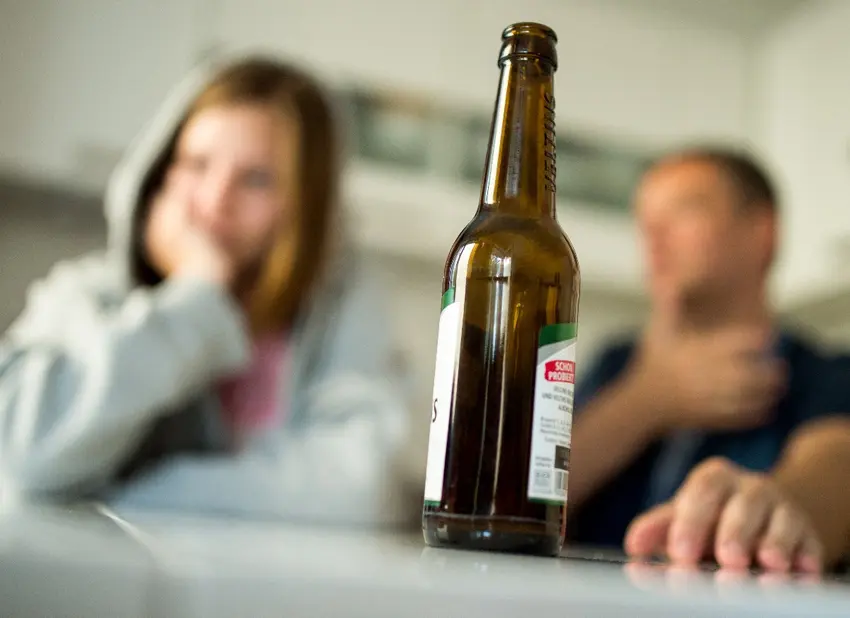
The legal age to drink wine and beer in Germany is 16 - but 14 and 15-year-olds can drink alcohol if they are accompanied by a parent or guardian.
But some German leaders - including Health Minister Karl Lauterbach - say they want to change this.
The states of Lower Saxony and Bremen have spoken out in favour of ending the supervised drinking rule. According to the states, alcohol consumption should only be legal from the age of 16 without exceptions.
"It is a completely wrong social signal when parents or older siblings or friends drink beer or wine with 14-year-olds," Lower Saxony's Health Minister Andreas Philippi (SPD) told the Hannoversche Allgemeine Zeitung.
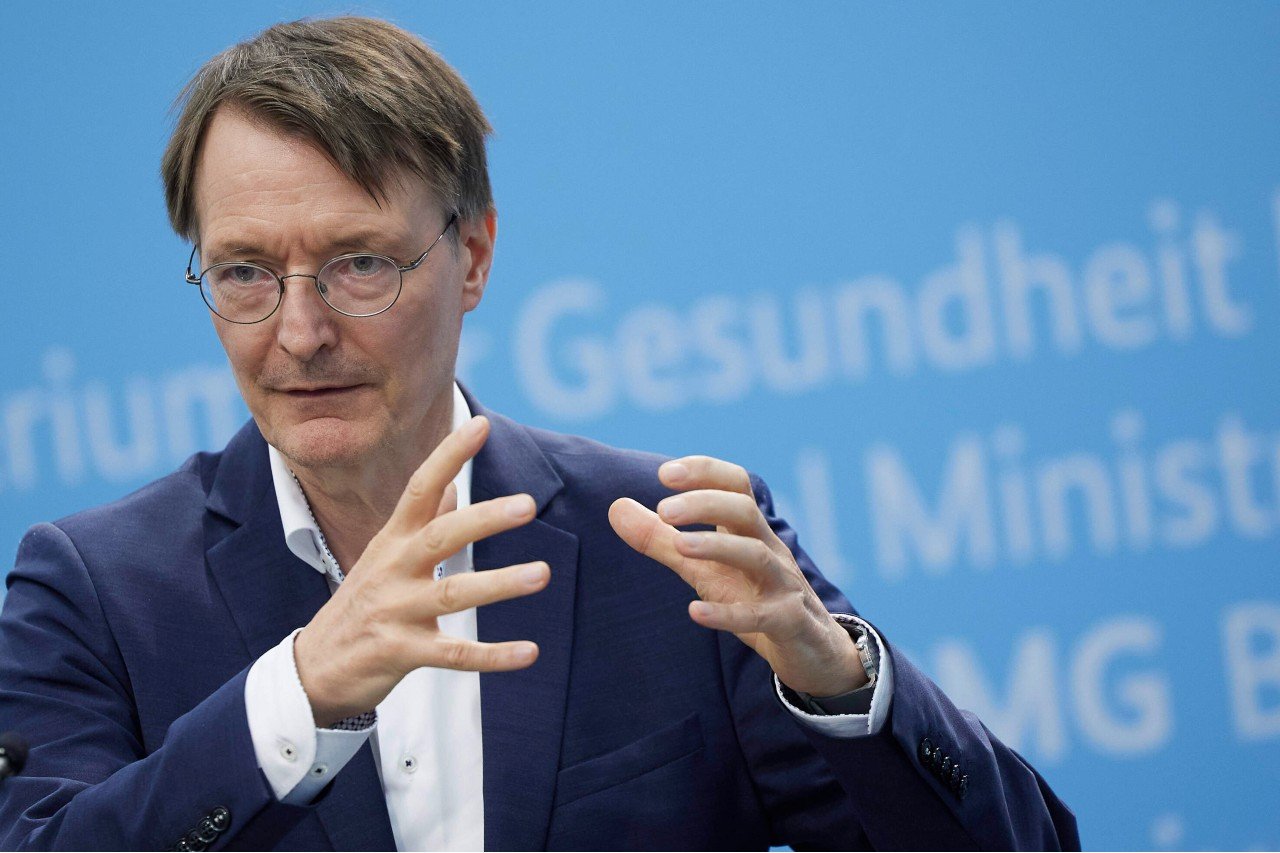
Health Minister Karl Lauterbach (SPD) also slammed so-called accompanied drinking. The presence of adults does not change the harms of alcohol consumption for children, Lauterbach told RedaktionsNetzwerk Deutschland (RND). "From a health policy perspective, there can be no two opinions on this topic," he said, adding: "So-called supervised drinking should be banned."
Bavarian Health Minister Judith Gerlach (CSU) is also in favour of getting rid of supervised drinking.
"In view of our prevention goals, it makes no sense for young people between the ages of 14 and 16 to be allowed to consume alcohol in bars or restaurants if they are accompanied by a person with parental authority. The consumption of alcohol represents a particularly high health risk for children and young people," Gerlach told RND.
Berlin Health Senator Ina Czyborra (SPD) has also called for this rule to be abolished. She said in view of Germany's recent move to relax cannabis laws for those over the age of 18, the current rules on underage drinking are a "contradiction".
READ ALSO: What to know about Germany's partial legalisation of cannabis
Young people in Germany can drink beer and wine legally without supervision from the age of 16 but they have to be 18-years-old to consume spirits.
Proposal to ban 'laughing gas'
Meanwhile, Lauterbach's Health Ministry has reportedly drawn up proposals for a ban on the sale of laughing gas to young people.
The Rheinische Post newspaper reports that the amendment envisages restrictions on the production, trade, purchase and possession of nitrous oxide, with a general ban on the sale and possession of it to children and young people.
According to the amendment, the industrial, commercial or scientific use of nitrous oxide should remain permitted as a "recognised use" as long as the substance cannot be misused as an intoxicant.
Nitrous oxide - also known as 'laughing gas' - is often seen as a way for people to get high, but is also used by different industries, for example to foam cream, or in medicine and science.
Lauterbach aims to implement the change in law after the summer break which could see the new rules in place later this year.
Comments