
Every year, the Mercer Cost of Living survey throws up at least one or two surprises - and this year was no exception.
The German capital, which once had a reputation for being 'poor but sexy', is now officially the most expensive place in the country to live, moving up six places since last year to be ranked the 31st most pricey city in the world.
Despite a constitutional rent brake designed to avoid significant hikes in rent, the cost of an apartment in the capital jumped up by almost 20 percent last year, with tenants' associations claiming the majority of rents are illegally high.
Meanwhile, high inflation following Russia's invasion of Ukraine has driven up the cost of everyday goods and services - a factor considered in the Mercer rankings.
But though Berlin came top in the Bundesrepublik, the capital was far from the only German city to stand out for its high cost of living on a global scale.
Frankfurt, with its thriving banking sector, shot up 13 places over the past year to land in second place in Germany, beating the notoriously expensive city of Munich.
READ ALSO: Where do the majority of foreigners live in Frankfurt?
Meanwhile, the Bavarian capital landed three places behind Frankfurt and five behind Berlin in 38th place in the rankings.
Known for its sky-high rents and luxury apartments, the capital of Bavaria usually takes the top spot when it comes to the cost of living - especially when it comes to Germany's housing market.
However, looking at the cost of living as a whole puts Munich lower down than expected on the rankings.
Last year was the first year that Berlin had come ahead of Munich in the Mercer list, and the gap between the two appears to have widened over the past twelve months.
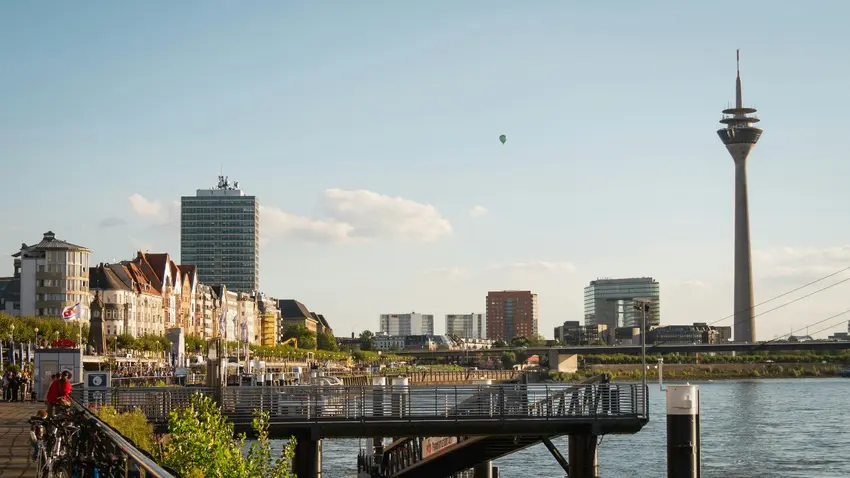
Berlin, Frankfurt and Munich were the only three German cities to make it into the top 50 priciest cities in the world, though Düsseldorf (51), Hamburg (54), Stuttgart (70), Nuremberg (85) and Leipzig (86) all snuck into the top 100.
Once again, Hong Kong came top of the global rankings, followed by Singapore and the Swiss cities of Zurich, Geneva and Basel.
Why is Berlin so expensive these days?
Like many of Germany's larger cities, Berlin is in the grip of a severe housing shortage - but the scale of demand in the capital has put even more of a strain on its already limited housing stock.
Around 35,000 people move to the German capital each year, and recent estimates suggest that the city's population could grow to almost four million by 2030.
For more than two decades following the fall of the Berlin Wall, the 'poor but sexy' city underperformed economically in comparison with other major European capitals and was known for having some of the cheapest rents in the country.
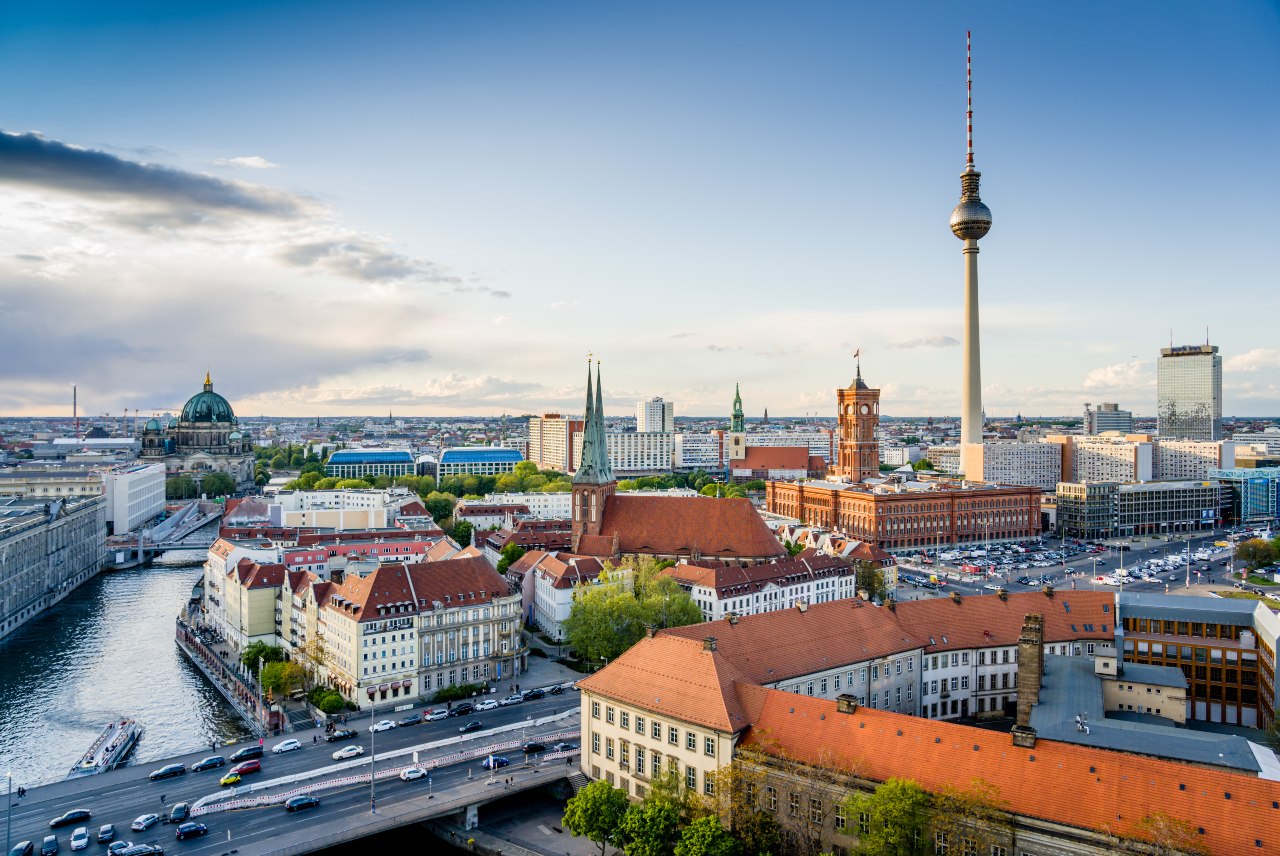
However, over the past decade or so, the city has attracted a huge amount of investment, with tech giants like Google, Zalando and Amazon chosing to base their operations there.
All of this has been reflected in the housing market, where rents have more than doubled over the past ten years.
However, the city also scored high for its quality of life, coming 18th in the global rankings.
READ ALSO: Where are the cheapest and most expensive places to live in Germany?
What are the Mercer rankings?
Every year, consultancy firm Mercer conducts a study of the cost of living in 226 cities around the world, ranking them in order from the most to the least expensive.
Including the cost of housing - a major factor in the rankings - Mercer looks at the price of 200 everyday goods in each of the cities, from groceries and toiletries to entertainment and public transport. This year, the data was recorded in March 2024.
The rankings are intended to help companies work out how to set rates and perks for remote employees around the world, based on the cost of living where they are.
Comments