
Inside Germany is our weekly look at some of the news, talking points and gossip in Germany that you might not have heard about. It’s published each Saturday and members can receive it directly to their inbox by going to their newsletter preferences or adding their email to the sign-up box in this article.
Why the FDP will be celebrating after German coalition's budget deal
Budget drama has been haunting Germany's coalition government for months. But the beleaguered trio of Chancellor Olaf Scholz, Economy and Climate Minister Robert Habeck and Finance Minister Christian Lindner managed to pull themselves onto the same page and strike a deal after an all-nighter on Thursday.
So what have we learned?
Although some details were still unfolding on Friday at the time of writing, we got an idea of where Germany is headed when it comes to spending. Lindner, of the pro-business Free Democrats (FDP), seems to have got his way in some respects. The infamous debt-brake (Schuldenbremse), - a self-imposed cap on annual borrowing - will remain in place.
The debt brake had become a key sticking point in the talks that heated up in recent weeks. Germany suspended the mechanism for several years during the Covid-19 pandemic and the inflation shock in the wake of Russia's full-scale invasion of Ukraine.
The centre-left Social Democrats (SPD), in particular - who are the largest party in the coalition - pushed for the debt brake to be suspended in order to push for more investment into society and fewer cuts, but Lindner was keen to see it reinstated.
Party clashes about the debt-brake had intensified after the constitutional court threw Germany's spending plans into disarray last November in a ruling over spending.
The coalition also reached agreement on a so-called "growth package", which is set to boost the economy, promote private investment and provide work and tax incentives to try and get more parents into employment.
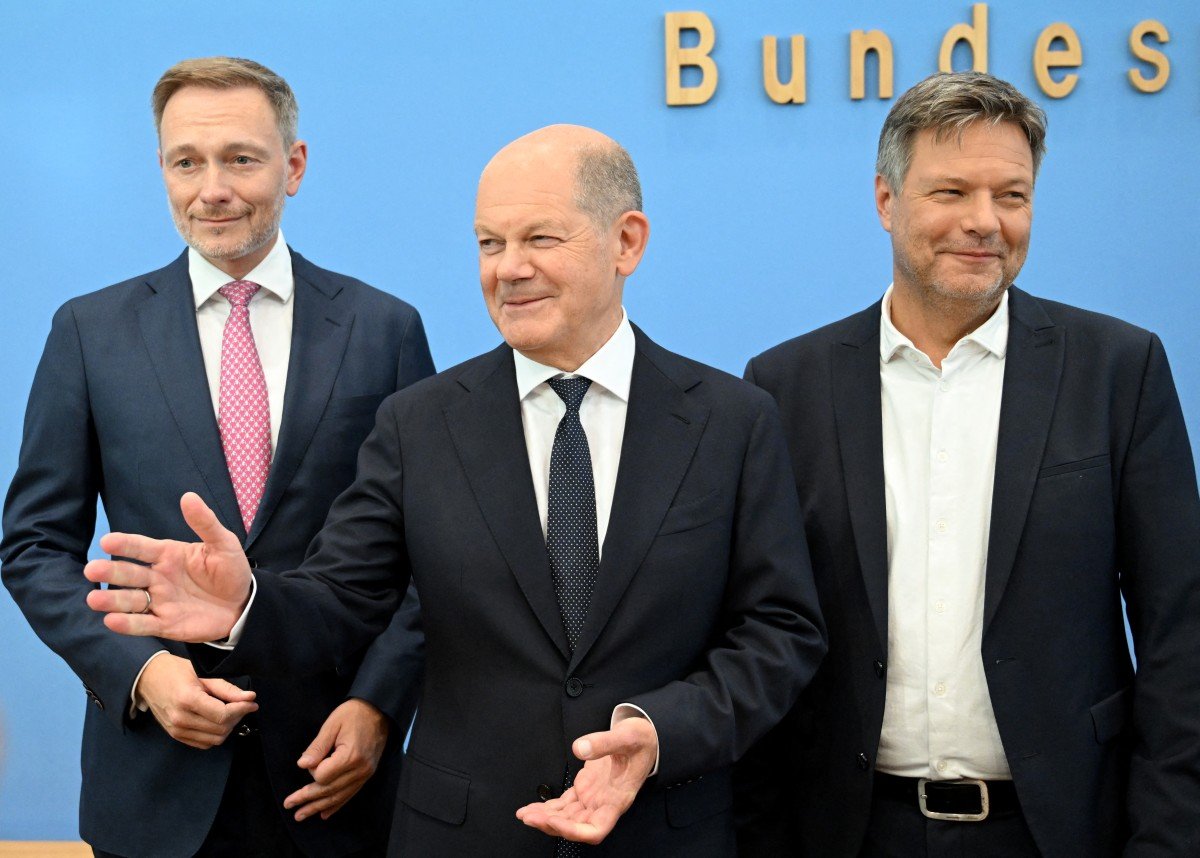
But there is also traces of the other parties in the deal. For instance, money will be set aside for children and Kitas.
The agreement is a weight off Chancellor Scholz's shoulders, especially since there have been so many obstacles lately - including dismal results in the recent European parliament election vote.
READ ALSO: How Germany's planned 2025 budget could affect you
German politicians talk of 'historic change' for UK after election
Despite the very typically German debt-brake drama unfolding on Friday, all eyes were on the UK after Labour's landslide election victory.
Some German media were having a field day over the results that saw the Conservatives kicked out of Downing Street.
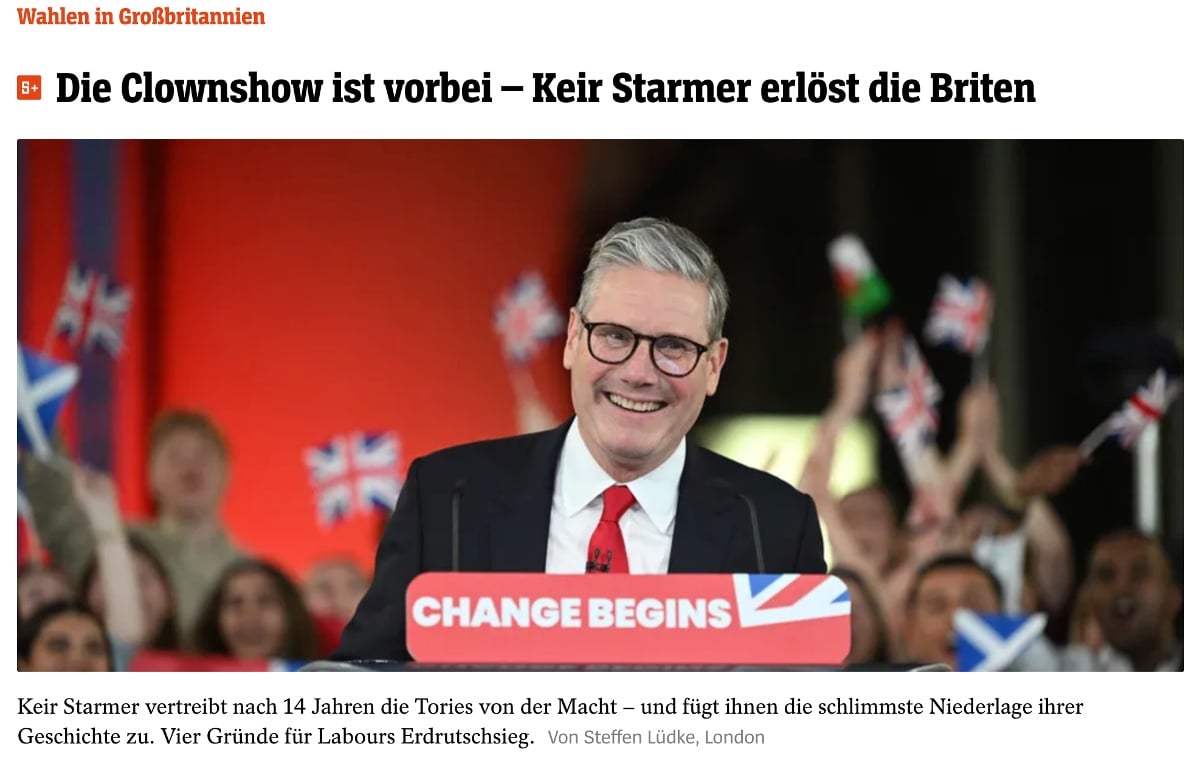
'The clown show is over - Kier Starmer redeems Britain', read a headline from German magazine Spiegel.
On Thursday, as British residents went to the polls, Taz ran a great front page with a play on the German word for a male cat, der Kater, which is also the very popular slang word for a hangover. The tagline read: "What remains is a hangover" with photos of the various Tory leaders and Larry, the resident Downing Street cat.
#tazeins zur Wahl in Großbritannien @tazgezwitscher pic.twitter.com/bTUGtq08jE
— Lukas Wallraff (@lukaswallraff) July 3, 2024
On a more serious note, German politicians spoke of a historic moment and said they had high hopes for a stronger British-German partnership.
Jens Zimmermann (SPD), Chairman of the German-British Parliamentary Group, told The Local: "The British people have decided in favour of a historic change. After 14 years of Conservative government, the verdict of the voters is clear. In Germany, too, the expectations of the new government to be formed around Prime Minister-designate Keir Starmer are also high."
Zimmermann said several Labour shadow ministers had been in Berlin for talks in recent months.
"We therefore have a huge opportunity for a fresh start in German-British relations," he added "Starmer and Scholz can form an effective social democratic tandem. There are many untapped opportunities for cooperation, particularly in the areas of security and defence, energy and the economy."
Olaf Schlolz will meet the new Prime Minister soon at the NATO summit, while Zimmermann said it's expected that Starmer will make an "official inaugural visit to Berlin shortly".
READ ALSO: New UK Foreign Minister in Germany for first trip abroad
Germany is also looking closely to neighbouring France as the final round of parliamentary elections are taking place Sunday, with the far-right National Rally expected to become the biggest party. In the first round, the party was in the lead with 33.4 percent of the votes.
Earlier in the week, German Foreign Minister Annalena Baerbock said: "Nobody can be indifferent when... in our closest partner and friend, a party that sees Europe as the problem and not the solution is far ahead (in the polls)."
The snap election was called by French President Macron after the far-right party achieved huge gains in June's European vote.
How many Americans live in Germany?
Americans across the globe were celebrating Independence Day, known as the Fourth of July, this week. But do you know how many Americans have made their home in Germany?

According to the most recent official statistics, there were 122,475 US citizens living in Germany at the end of 2023, with around 5,450 born in Germany.
The regions that attract the most US citizens are Bavaria, Berlin and Baden-Württemberg.
There is also traditionally a strong presence of American nationals in the Rhineland-Palatinate city of Kaiserslautern and its surrounding area. The Kaiserslautern Military Community, home to around 50,000 people, including military service members, is the largest American armed forces community outside of the US.
READ ALSO: Everything you need to know as an American moving to Germany
Comments