
Cabinet ministers green-light controversial postal bill
A hotly debated reform of Germany's postal service was passed by cabinet ministers yesterday, bringing it one step closer to entering into law.
The bill sets out plans to allow Deutsche Post to deliver letters more slowly than they are currently obliged to do, alongside other proposals to fill holes in the postal network.
At present, the law stipulates that 80 percent of letters have be delivered within one working day, while 95 percent of letters must be delivered within two working days.
In future, the government wants to take some of this pressure off the privatised postal service while allowing it to reduce costs.
They want to allow Deutsche Post to deliver 95 percent of letters within three days rather than two and add a requirement for 99 percent of letters to be delivered within four days.
The postal service has also proposed switching to a two-tier system whereby letters are delivered in three days as standard, but customers can pay to have their letter prioritised.
It's unclear if this system will be introduced, but consumer rights groups and services union Verdi have expressed concerns that post will be become slower in most cases.
GDL says rail strikes could last up to five days
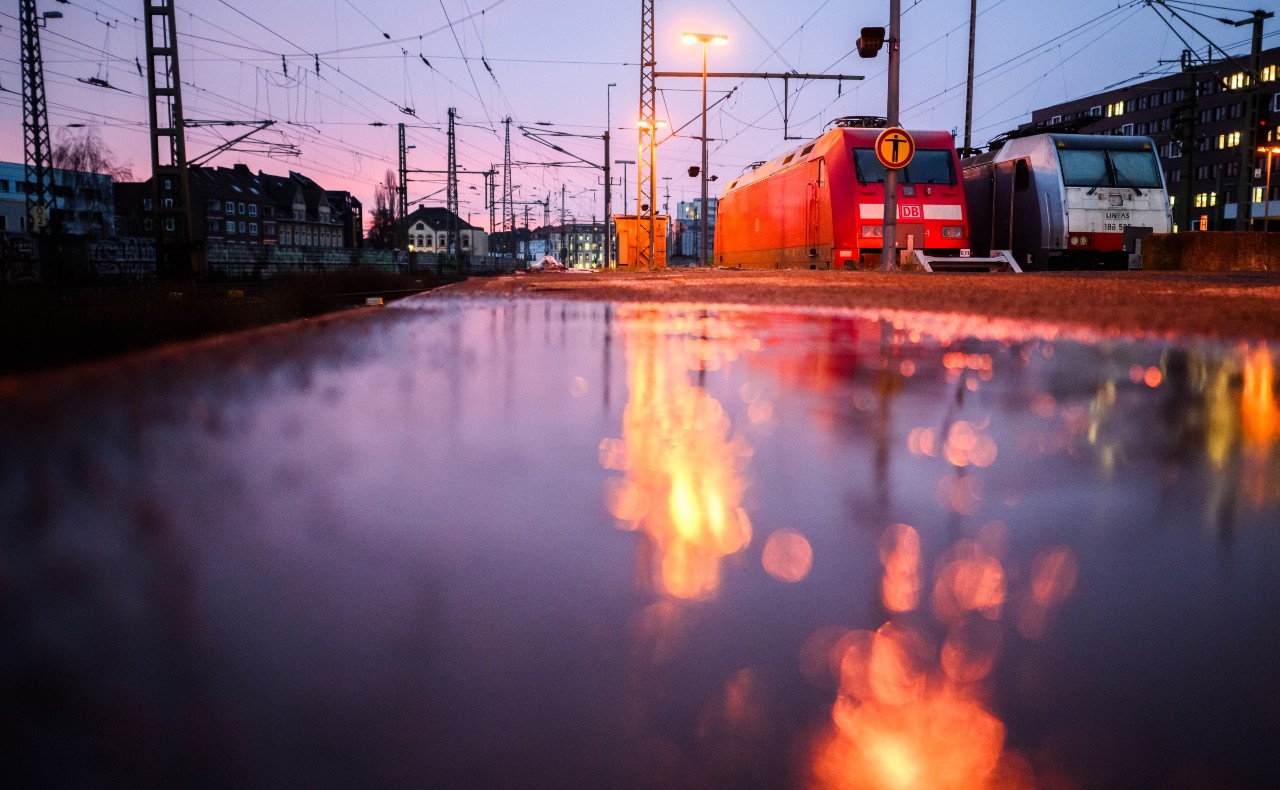
Following a successful ballot to allow 'unlimited' strikes, the GDL train drivers' union has said that future industrial action on the railways could last as long as five days.
In an interview with the regional Rheinische Post newspaper, union boss Claus Weselsky said passengers could expect rail strikes lasting between three and five days next year.
Since November, the GDL has been in a bitter dispute with rail operator Deutsche Bahn over pay and working hours.
In the negotiations for a new collective agreement, the union is demanding at least €555 more per month for workers over a year, as well as a €3,000 tax-free inflation compensation bonus and a 35-hour work week for the same pay.
Deutsche Bahn has countered with this by offering a 11-percent pay rise over 32 months, as well as a €2,850 tax-free bonus to compensate for inflation.
Just a few weeks after talks commenced, Weselsky declared that the negotiations had "failed" and balloted members on whether the dispute should be escalated with unrestricted strikes.
With the GDL ruling out strikes over the Christmas period, however, the earliest date for the next strike would be on Janauary 8th, 2024.
READ ALSO: German train drivers’ union votes for ‘unlimited’ strikes
German supermarkets introduce 'quiet hours' for autistic shoppers
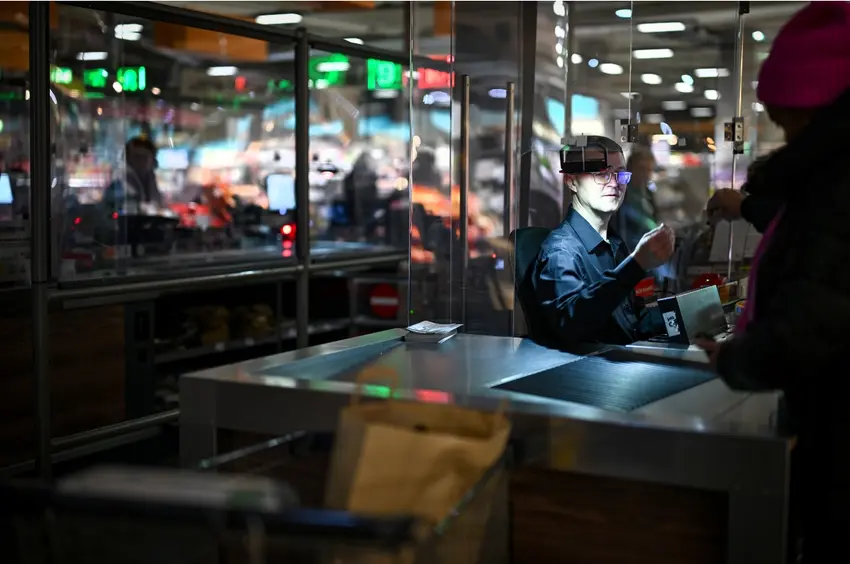
More and more supermarkets in Germany are introducing "quiet hours" to enable people with autism and more sensitive people to shop more quietly.
At certain times of the day, the lights are dimmed, the music is turned off and the beeps at the tills are turned down.
The idea for the "quiet hour" originated in New Zealand, and there are now offshoots in Baden-Württemberg, Lower Saxony and Hesse.
The German Autism Association welcomed the stores' initiative, saying it would help people affected by noise and light sensitivies without costing supermarkets anything.
According to the association, autism is a complex and multifaceted neurological developmental disorder. There are no statistics on its prevalence in Germany, but between 600,000 and 800,000 people are thought to be affected.
READ ALSO: German supermarkets fight loneliness with slower checkouts for chatting
Consumer rights advocates call for 'climate money' payouts
As the government struggles to get off the ground with its 'climate money' plans, consumer rights groups have responded with anger to the delays.
"It's annoying that it's taking so long," Thomas Engelke from the Federal Consumer Rights Agengy (VZBV). "We demand that the government does everything it can to ensure that a climate money is introduced as quickly as possible."
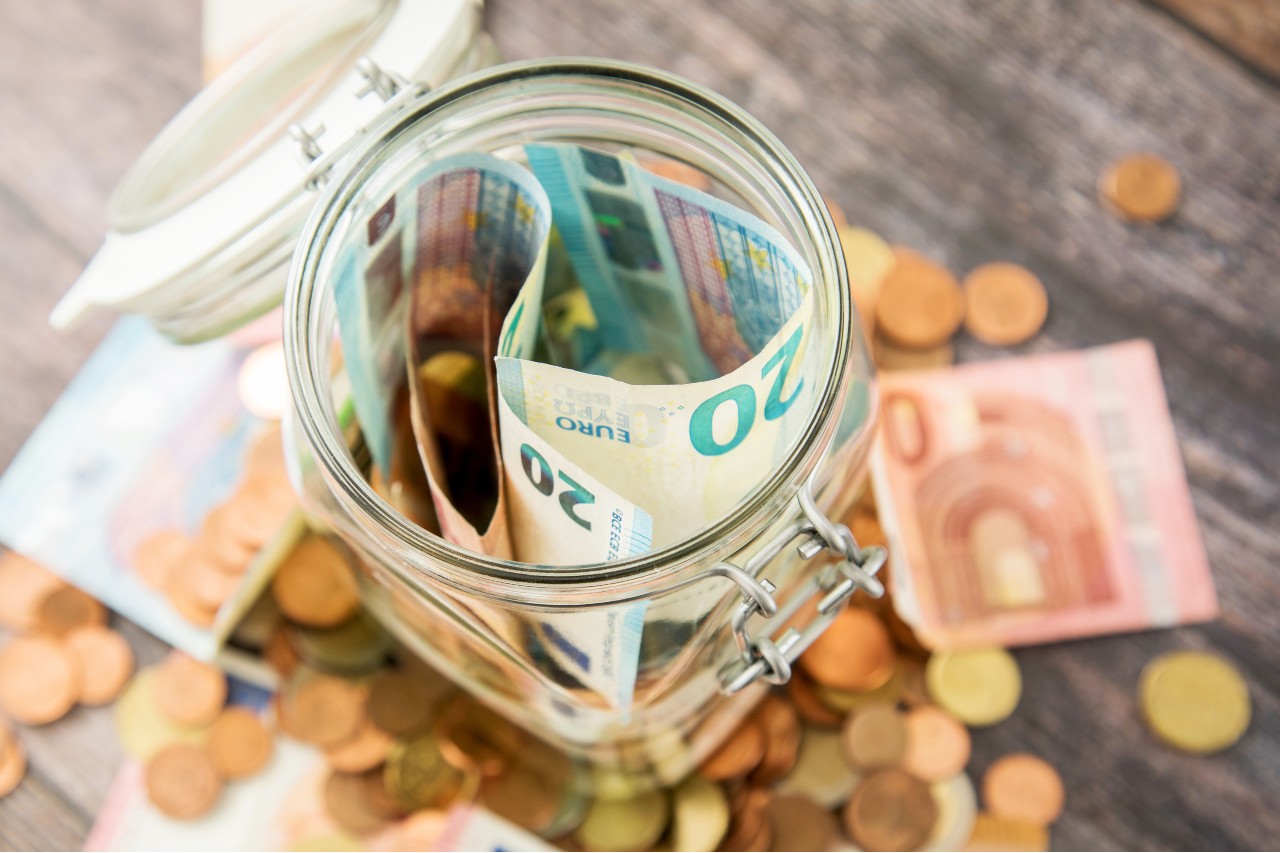
A key manifesto pledge of the Green Party, climate money - or Klimageld - refers to plans to pay an allowance to people in Germany out of the income from the CO2 tax.
As the CO2 tax on carbon emission rises year by year, this allowance should get higher, while people who save energy enjoy better benefits as they recieve more than they pay out.
According to the VZBV, residents of Germany are already owed €139 climate money from the last three years of the traffic-light coalition government.
Though the Social Democrats (SPD), Greens and Free Democrats (FDP) pledged to introduce the allowance, the proposals have been delayed due to technical problems in paying out the funds.
Comments