

Living in Germany is our weekly look at some of the news and talking points in Germany that you might not have heard about. Members can receive it directly to their inbox on Saturday.
Why is Berlin’s Pergamon Museum closing for 14 years?
Germany is not known for rushing things. Whether it’s political decisions or construction projects, things tend to take a long time to reach completion in the Bundesrepublik. And especially in Berlin. The famous nine-year-delay to the opening of the BER Berlin-Brandenburg airport is a prime example of this. So perhaps it’s no surprise that the upgrade of the Pergamon Museum is set to take over a decade. 14 years in total in fact. It’s no wonder that the museum, which is home to treasures including the Great Altar of Pergamon, built in the second century BC, the 2,600-year-old Ishtar Gate of Babylon and a vast millennium-spanning collection of Islamic art, has been packed leading up to the closure on October 23rd. In a report we published this week, Gudrun von Wysiecki, a 75-year-old retired teacher said she has always loved the museum. "We were very lucky to get some of the last tickets this week,” she said. “At my age, who knows if I'll be alive for the reopening."
So why is it taking so long? According to the city of Berlin, a massive renovation is needed to preserve and bring the much-loved museum up to scratch. It is estimated that the whole process will cost more than €1.2 billion. The South Wing of the building is in urgent need of structural repairs, according to the city. There’s some good news though - the North Wing of the museum and the hall with the Pergamon Altar, which have been under renovation for some time, are expected to reopen in spring 2027. Meanwhile, many of the exhibits will be viewable in different locations at museums in Berlin.
Tweet of the week
We have to admire Rainer Schmidt, a man from northern Bavaria who has been a regular visitor to the English city of Hull since 1991. Those fry-ups and the Yorkshire hospitality charmed him. Just don’t ask him to eat British sausages with his fry-up - he’ll take extra bacon instead.
Where is this?
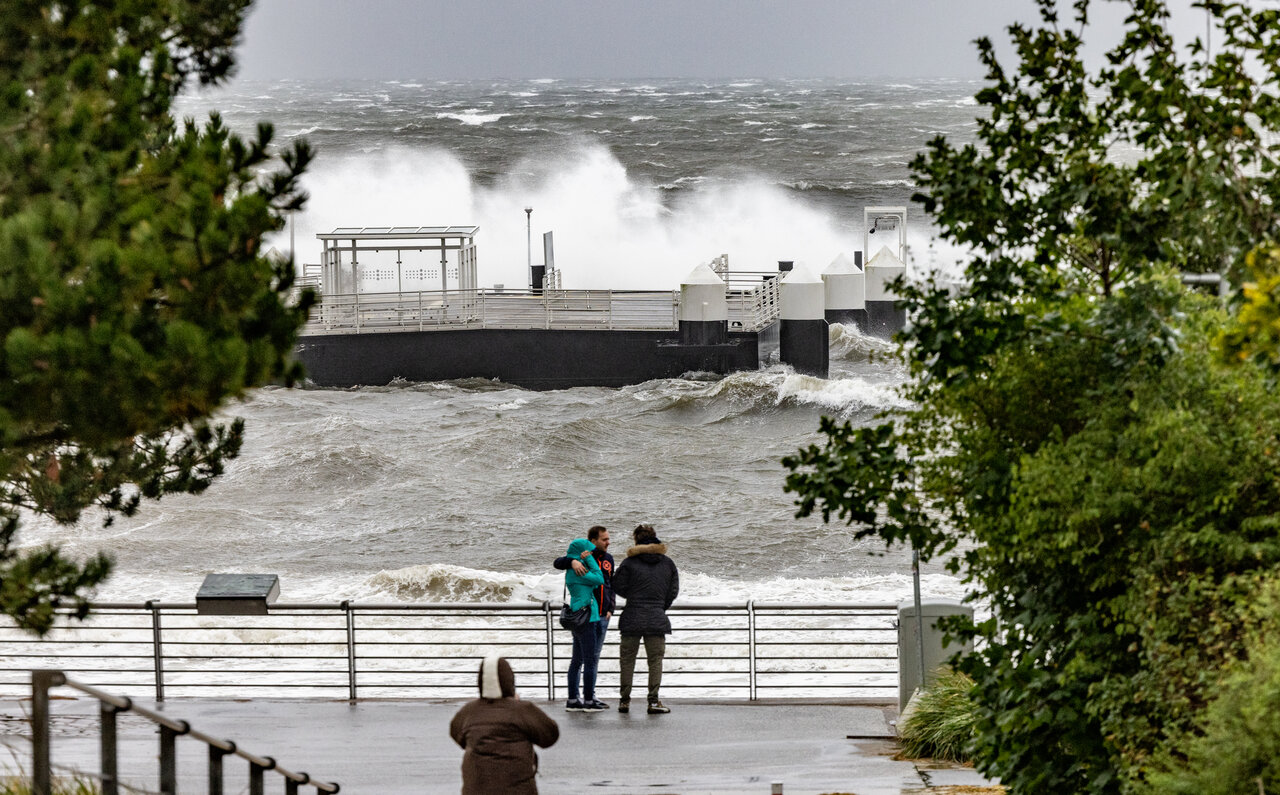
Strong winds hit northern Germany this week, bringing storm surges and flooding. This photo shows waves crashing at the harbour in Schilksee, Kiel on Friday. Weather warnings were in place for the north of the country until the early hours of Saturday.
Did you know?
Hopefully you haven’t had to give much thought to how men go about their urinating business. But did you know that German men are some of the most likely in Europe to sit down on the toilet to have a pee? According to data compiled by the UK polling site YouGov, 62 percent of German men are likely to sit down to pee “every time” and “most times”. That compares to 34 percent in Spain and 24 percent in Britain.
If you ask German families, you’ll find that men are generally encouraged to have a wee sitting down. It’s also not uncommon to find signs in some public toilet facilities urging men to sit down and pee when using a toilet (not a urinal, we might add - that’s fine to use standing up). The feeling is that it’s more hygienic for everyone. The German language also has a word for men who sit down to pee (of course it does) - ‘Sitzpinkler’. It’s also used in a derogatory way to imply someone who’s wimpy. Despite this, standing to urinate - especially in your own home or in a guest’s place - is viewed as a bit antisocial. It is also apparently better for your health to pee sitting down. A study from 2014 by the Leiden University Medical Center found it helped the bladder empty faster and more completely. Perhaps this is a German habit that all men could benefit from.
Comments