
Germany improved four spots last year in the WEF’s latest Global Gender Gap Report – moving from tenth place in 2022 to sixth place in 2023.
The Bundesrepublik finished below Iceland, Norway, Finland, New Zealand, and Sweden in the 146-country ranking – with those countries making up the top five. But Germany did come ahead of the UK in 15th place, Canada in 30th, and the US in 43rd place.
The report ranks countries for equality of economic and educational opportunities, for health coverage, and for political empowerment.
Most of Germany’s gains came as a result of political empowerment, with WEF noting the increase in women in the Bundestag and other politically influential roles.
Where Germany did less well though, was in the area of economic opportunity. WEF noted that when considering only this part of the index, Germany dropped from 75th in 2022 to 88th in 2023.
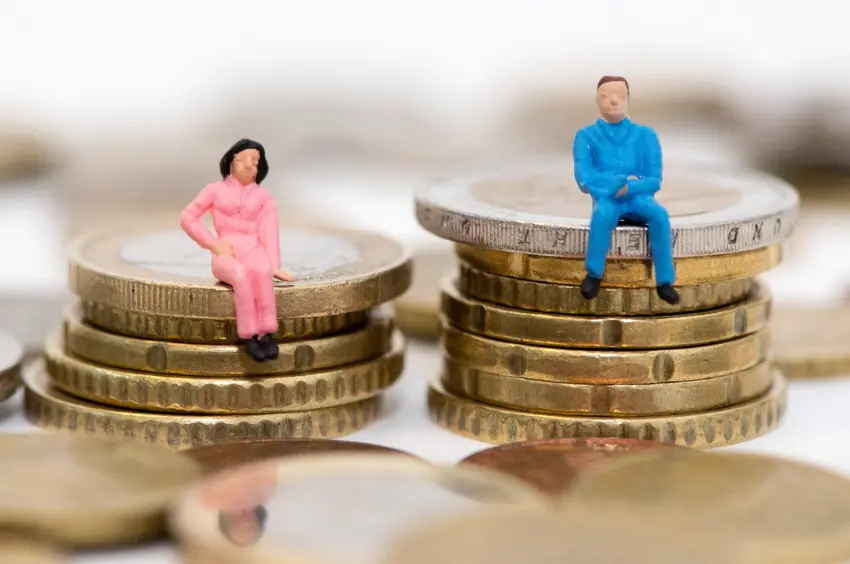
One of the main reasons for this is a high gender wage gap. Germany came in 102nd place out of the 146 countries when it came to closing the difference between what the average woman makes versus the average man.
In addition, only 29 percent of management positions in Germany are held by women.
Germany took first place in several other sub-rankings though. Those included women in ministerial positions, sex ratios at birth, primary and tertiary education enrolments, equal literacy rates, and having a roughly equal share of men and women in professional or technical roles.
READ ALSO: Women in Germany earn nearly a fifth less than men
Useful vocabulary
Quota for women in certain leadership positions – (die) Frauenquote
Equality – (die) Gerechtigkeit
Wage gap – (der) Lohnunterschied, although German has also imported the English "Gender-pay-gap" when discussing some of these topics, even in German.
We’re aiming to help our readers improve their German by translating vocabulary from some of our news stories. Did you find this article useful? Let us know.
Comments