
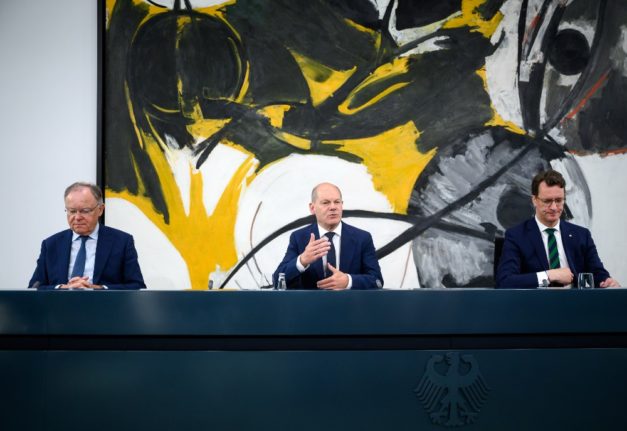
The plea came during consultations between the chancellor and Germany's 16 state leaders on Thursday.
Following Russia's invasion of Ukraine, Germany took in more than 1.2 million refugees in 2022. But local services have struggled with processing paperwork.
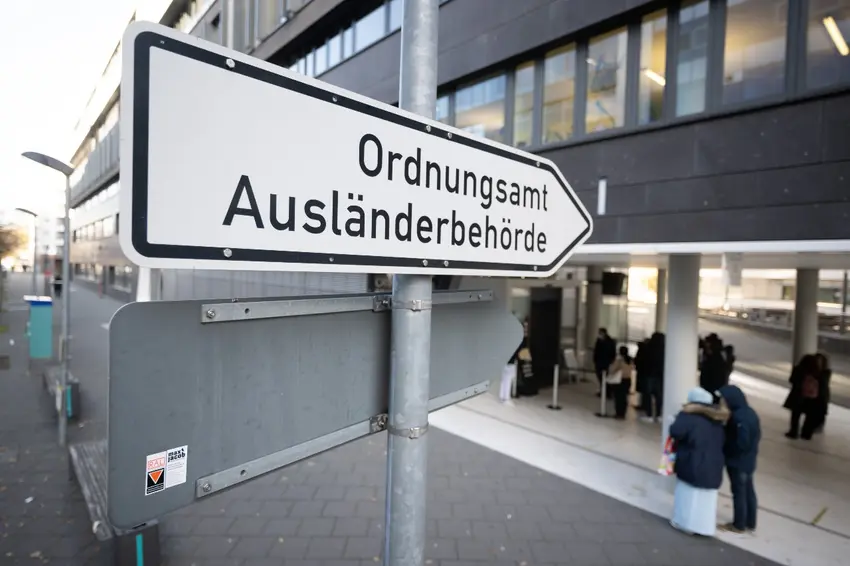
Foreigners across the board have also reported long delays and cumbersome bureaucracy at Ausländerbehörden or immigration offices.
READ ALSO:
- 'Traumatising': Foreign residents share stories from Germany's immigration offices
- IN DEPTH: Are Germany’s immigration offices making international residents feel unwelcome?
According to Scholz, two thirds of Germany's immigration offices are not digitalised. Scholz said the lack of digital options in these authorities makes tracking and controlling migration difficult.
However, he acknowledged that digitalising systems would be a mammoth job.
"This is a gigantic modernisation task that also involves investment and much, much work," Scholz said.
In May, the federal government pledged to give the federal states a billion euros as an additional contribution to the costs of providing for refugees.
READ ALSO: Germany's state leaders pile pressure on government during refugee summit
This funding boost is aimed at helping states relieve the burden on their municipalities, and to finance the digitalisation of foreigners offices, the government said.
The heads of states had called for more support in March 2022 to be able to register arrivals from Ukraine "quickly and in an uncomplicated manner".
There have also been calls for a fairer and more organised distribution of refugees across German states to stop some areas from becoming overwhelmed.
Comments