
How well do Germans speak English?
A survey released this week found that Germans have some of the highest levels of proficiency in English around the world. According to the 2022 EF English Proficiency Index, Germans have a “very high proficiency” in English and are ranked 10th place in the world. The ranking is based on test results of more than two million adults in 111 countries and regions.
Germany scored 613 points out of a total of 700 possible points in the index. The Netherlands took the top spot with 661 points. It’s interesting to note how regions vary when it comes to English skills, according to the index. For instance, the study found the best English speakers in Germany, on average, were in Bavaria and Baden-Württemberg.
The cities of Karlsruhe and Munich came in first and second place at the city level. The lowest scores in Germany were recorded in the states of Mecklenburg-Western Pomerania and Brandenburg, while Berlin and Frankfurt - despite being very international places - scored the lowest in Germany at the city level.
In our experience, Germans often speak exceptional English and that can often make it a bit tricky when you’re trying to practise your German language skills. But there are major differences depending on geographic, demographic and social factors. Check out our Germany in Focus podcast this week where we discuss this study in the last segment.
Tweet of the week
This tweet by James Jackson created a bit of a storm this week as he shared his opinion on social mobility and how it’s linked to the German school system. What do you think? Check out our article on schools in Germany here, and we’ll look into this topic in more detail in future coverage.
German social mobility is terrible in large part due to the Gymnasium system, which decides your fate at age 11 without an exam, entirely on what your teacher thinks.
— James Jackson (@derJamesJackson) November 14, 2022
No wonder immigrant children rarely get a chance. BioNTech's Ughur Sahin didn't get accepted into one https://t.co/P94G5fftbd pic.twitter.com/07p9an6cnG
Where is this?
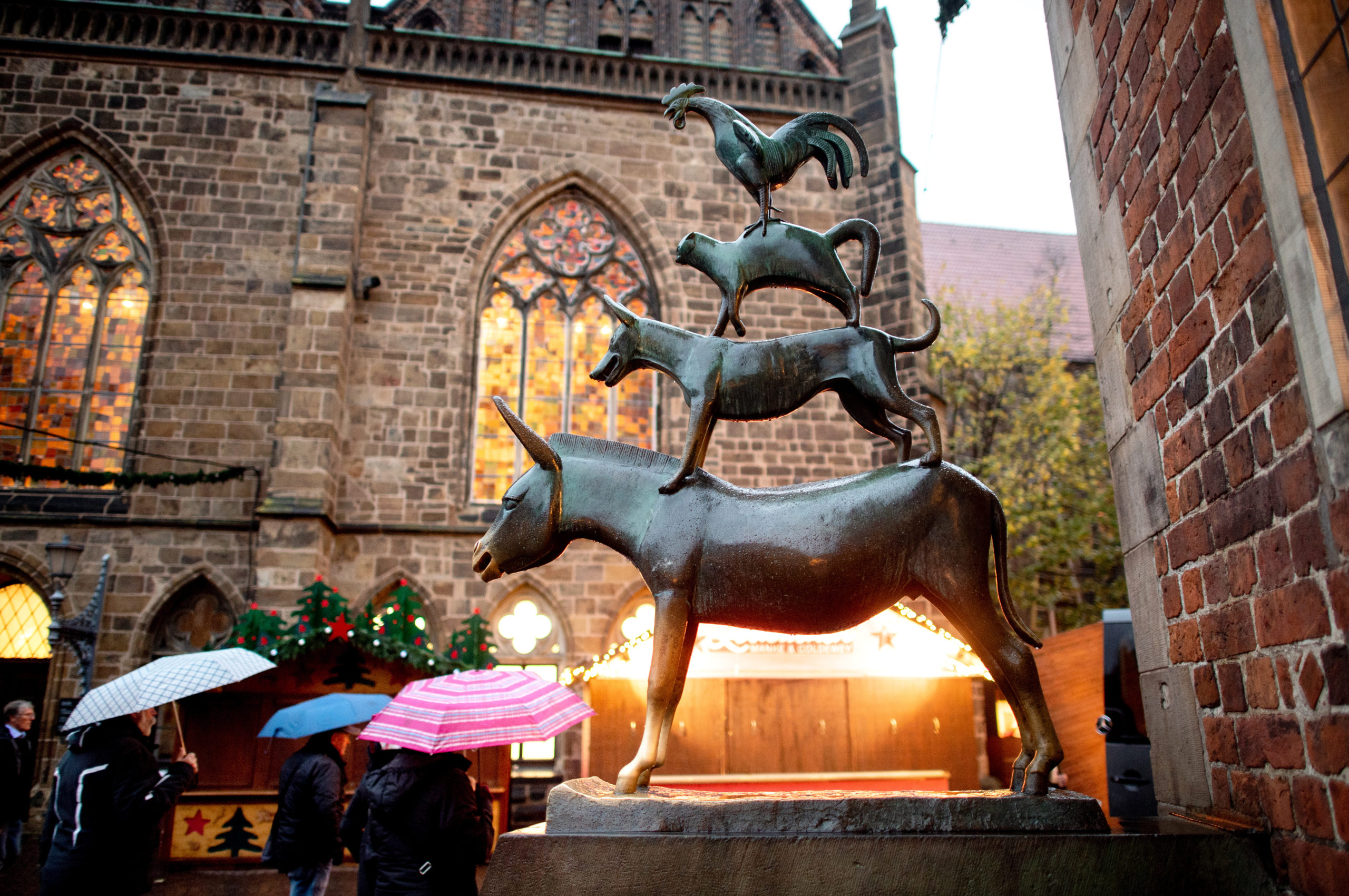 Photo: picture alliance/dpa | Hauke-Christian Dittrich
This is of course the city of Bremen - and the famous ‘Town Musicians of Bremen’ statue inspired by the German fairy tale published by the Brothers Grimm. The Christmas market in the centre of Bremen opens on November 21st.
Did you know?
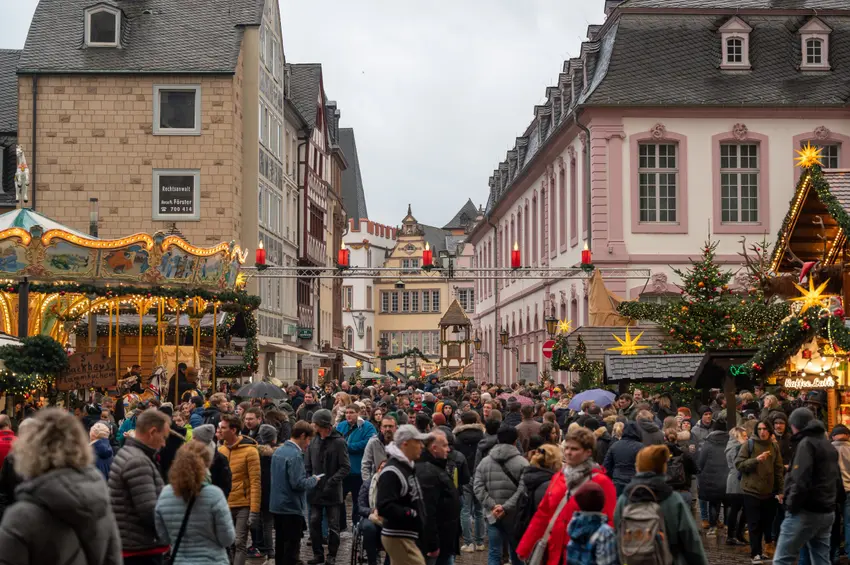
With major world events causing uncertainty and the dark winter nights drawing in, we’re all in need of some cheering up. And that’s where German Christmas markets come in, with some of them opening up in November. But did you know that the origin of these markets date all the way back to the late Middle Ages?
Around 1250-1500 AD is when Wintermärkte - winter markets - started being held across the German speaking parts of Europe and the Holy Roman Empire, including eastern regions of France.The outdoor markets were practical - they meant villagers could stock up on supplies for winter in a central location. By the 14th century, stall holders began selling other products like roasted nuts and toys for children. The markets then started lining up with the four weeks of Advent season in the run up to Christmas, cementing them as Weihnachtsmärkte.
The market in Dresden, known as the Dresdner Striezelmarkt after the nickname of the city’s speciality Stollen cake, is considered the first documented Christmas market in Germany, with historians tracing it back as early as 1434. Glühwein, snacks and cute stalls? It’s easy to see why these markets are such a hit even in modern times.
Comments