
There are about a million studies out there that have found moving is one of the most stressful life events out there - and even more stressful than divorce. For anyone who’s experienced moving in a foreign country, these stats won’t come as much of a surprise.
To minimise stress after moving into your new pad, it’s a good time to think about your new energy, gas and internet contracts as soon as possible. The good news is that this part is no way near as hard as sorting through years of accumulated junk or having a panicked car-boot sale hours before the move. Nevertheless, there are a few things it can be helpful to know before you .
1. Not everything is privatised
If you’re from a country where there are countless providers for gas, water, internet, and electricity, it may come as a surprise to find out that, in Germany, the water supply is still owned by the state. This means that, if you move around in the same locality, you’ll be using the same water supplier as before – although different suppliers are responsible for different districts.
For the most part, energy and gas are owned and run by private entities, but in recent years a few city states – most notably Hamburg and Munich – have brought their power grids back into public hands. The idea of renationalising the energy supply is currently gaining ground in Germany, but so far, this has only been done on a local level, so in most cases you’ll still be dealing with private energy providers.
With companies competing for customers, you can expect to find numerous bonuses for switching or staying with an existing energy providers, which can include money off your bill in the second year of a contract, or free gifts such as bikes an electronics.
READ ALSO: The things you need to watch out for when you move house in Germany
According to Check24, two people currently using an average amount of electricity per year can currently expect to pay around €50 per month for their contract, and anywhere from €20-40 for their internet and landline. Gas for a two-person household, meanwhile, could set you back around €65 per month.

Moving can be a stressful experience, but is perhaps more fun with a dog. Photo: DPA
2. You may need to give a lot of notice to cancel old contracts
If you’ve opted for a long-term contract at your old apartment, you’ll likely have to observe a minimum notice period (or ‘Kündigungsfrist’) when you cancel it. For 24-month contracts with internet providers such as o2, this can be anywhere between four weeks and three months, after which time the contract will automatically renew for another 12 months.
Energy companies operate much the same way as internet providers. When you sign a contract with them, they usually stipulate a minimum contract period of 12-24 months. Once again, the notice period can be incredibly punishing for the disorganised, ranging from four weeks to three months before the end of your contract period.
When signing up with a new provider, it’s a good idea to read the small print or ask a German-speaking friend to look over the T&Cs for you. If you’re not sure whether you’re going to be in your latest flat in the long-term, it could work out cheaper to opt for a slightly pricier, but much more flexible, rolling contract instead.
3. A lot depends on your rental contract
Before you rush to a price-comparison website, it’s worth checking whether your landlord or letting agent has already taken charge of organising an energy or gas supplier.
In many cases, your energy provider will be chosen by your landlord for the entire building, and you’ll receive a summary of utility costs at the end of each year. This document, which is known as a ‘Nebenkostenabrechnung’ (a summary of additional costs) can tell you whether you’ve overpaid and are in line for a refund (yes!), or whether you’ve used more energy than expected and will be paying more next year (uh, oh).
In almost all cases, you’ll be expected to organise your internet and landline provider yourself, and in some, you’ll also need to take charge of organising your own energy.
If you’ve just bought your own property, you may have the option to transfer the old tenant or owner’s contract over to your name. Most people, however, prefer to just start from scratch and scour around for the best deal. Which brings us to our next point...
In recent years, Germany has become a mecca for sustainable electricity, with 46% of the country’s energy coming from renewable sources in 2019. With a generous dose of state subsidies poured into this sector, choosing green energy – or Ökostrom – can also be an incredibly cost-effective option, generally costing the same or less than the environmentally unfriendly options.
If you look at the websites of eco-friendly energy providers such as NaturStrom, Greenpeace Energy or Entega, you can get an estimate of your annual costs and check out any bonuses you can get for switching, such as free bicycles, tablets or money off your next bill.
5. Getting set up is insanely simple
Unlike many aspects of German life, getting started with a new electricity, gas or internet provider is surprisingly simple. Much like in the UK or USA, price comparison sites can make it easy to get a good deal and find a new provider in minutes, with many expats using sites like Check24.de or Wechselpilot.com.
“I find changing electricity companies very easy and do it every year to get the best offer possible,” says Paul Bitmead, who lives near Hanover. “I use Check24, but there are other places to do it. Speaking German is, of course, an advantage and if - you are going to be here a while - a must.”
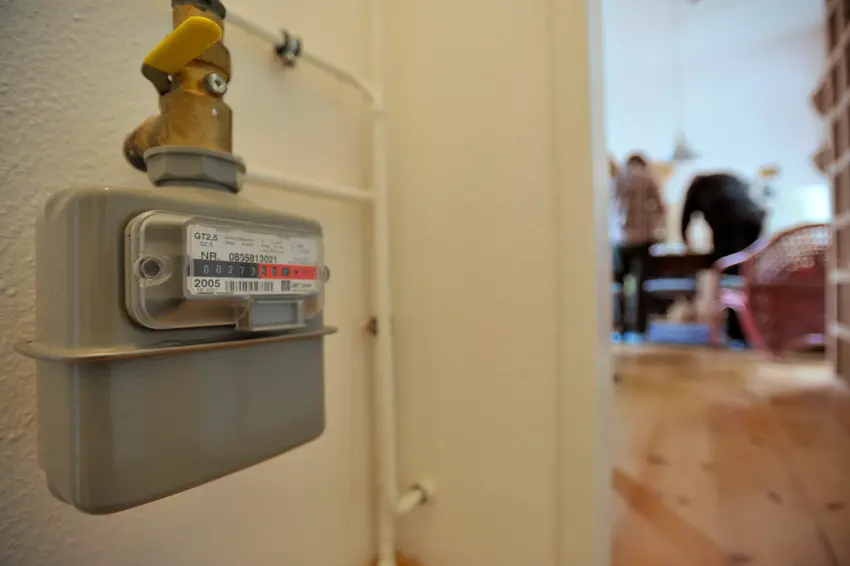
The process of signing up with an energy provider online takes about five minutes, and you’ll need to supply the company with some details, including your bank details and home address. They’ll also ask you for the number on your electricity meter (normally located in the hallway), so they can measure how much energy has been used previously, and how much you’ll need to pay in the future.
READ ALSO: Seven things you should know when looking for a flat in Berlin
6. Yes, there is such a thing as “default” energy
If you don’t take any steps to sign up with a new energy or gas provider after moving into a new house or cancelling an old contract, you won’t find yourself reading by candlelight - but you may find yourself saddled with a pretty hefty bill.
In Germany, tenants or property owners who don’t sign up for gas or electricity contracts themselves are automatically put on a Grundversorgung, or “default” contract with a local provider - often at a much higher cost than they would otherwise pay.
That’s exactly what happened to Alisa Le, an expat in Frankfurt who got stuck with a provider she couldn’t locate. “When my landlord cancelled the old contract, it reverted to the local de facto provider,” she said. “It was impossible to find out who that de facto was as well - and our new provider, when reaching out to that old provider, was told we were not with them. It was a whole mess for about two months.”
7. As always, it pays to shop - and ask - around
Doing some research before signing up for your internet, gas and electricity contracts can really pay off in the long run - and not just financially.
While electricity in Germany tends to be highly reliable, internet speed and connectivity can fluctuate wildly across different regions and providers. With many providers insisting on a 12- or 24-month contract, this means you could get lumped with an unreliable connection for longer than you’d like.
For Martin Bruus Hansen, an expat who recently moved from South America to Frankfurt, Germany’s network coverage has been a constant disappointment.
“With internet and phone coverage, let me tell you that there is better and faster connection in El Salvador than there is in Germany,” he said. “We have to restart our router several times weekly and sometimes our connection drops to 20% of our contracted speed.”
By asking your neighbours which providers they’ve had luck with - and which to avoid - you’re much more likely to find yourself with an internet provider that you’re happy to stick with in the long term. You’ll also avoid awkward home office moments like getting booted out of Zoom calls time and time again.
Comments