
All she wanted was a virtual shoulder to cry on.
“I was feeling super rundown and sad, I haven’t seen my family in a year so I thought that booking a hair appointment before lockdown would cheer me up,” the woman, a Brit, wrote on Tuesday, the day before Germany descended into full lockdown.
She informed the Facebook group of Berlin women that she’d canceled the appointment by voicemail because of a work conflict. But for the hairdresser, who doesn’t check voicemails, and was powering through a last workday, it was a no-show. Needless to say, tension ensued.
The woman came for sympathy but got Schadenfreude instead.
“Way to give Brits a bad name.”
“I would have called them a million times, offered to move the appointment 'off hours' or to pay them for the loss of income.”
“It's sad you have not seen your family in a year but maybe the lady … is struggling to feed her family and you have reduced her income of the day.”
READ ALSO: Job fears grow in Germany as coronavirus closes shops again
Facebook groups like this thrive on keyboard vigilantism, but something about this particular scuffle, ballooning to about 150 comments in 24 hours, felt poignant due to the timing.
The vibe in Germany right now is high-strung and hypersensitive. People have too much on their minds and too much time on their hands.
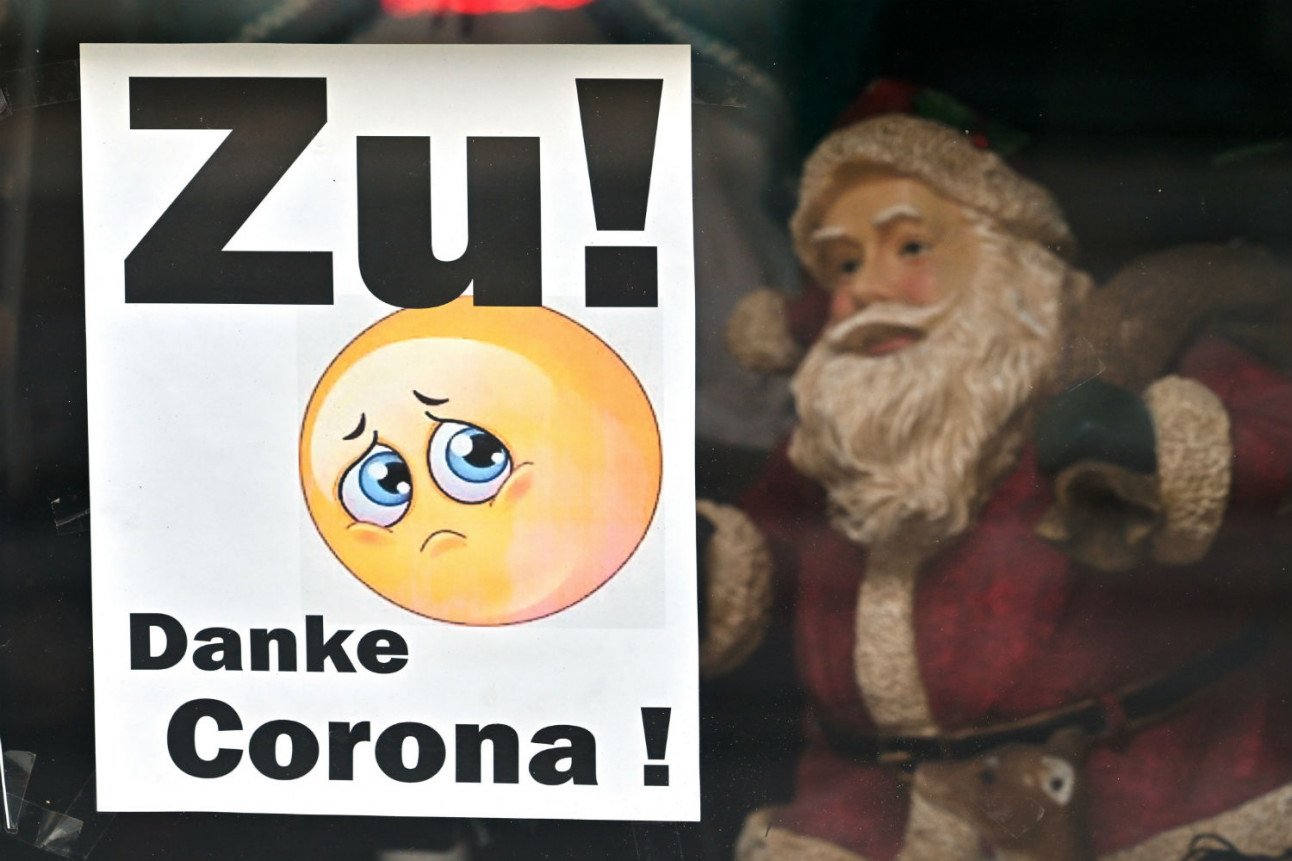
A sign on a closed shop in Erfurt, Thuringia, following the stricter lockdown on Wednesday. Photo: DPA
'Much different'
“This feels much different than the first time,” a fellow journalist, a German remarked to me, referring to the first lockdown back in March when non-essential establishments like salons and malls also closed. “There’s no longer the feeling of solidarity from before.”
The rules are the same, but the outbreak is not – and neither are we months later. While Facebook commenters scoffed on Wednesday, almost 1,000 people in Germany died, a new record for 24 hours.
The majority of people support the new lockdown measures, as a YouGov survey also released Wednesday shows, but they’re noticeably struggling.
The vibe is tangibly different from a month ago, when optimism piqued about Pfizer’s 95 percent successful vaccine, and how it was co-developed by a German-Turkish couple.
While Germans expected the Pfizer-BioNTech vaccine to be approved by now, the EU’s drug regulator won’t decide until Monday. People are getting antsy after seeing countries like the US, UK and Canada already administering first doses.
Christmas is also no longer a beacon of hope. Up to four people in the “closest family circle” are allowed to celebrate (plus children under 14 who are not counted), and some conflict is inevitable, as bad blood and black sheep are drawn out.
READ ALSO: What exactly are Germany's Christmas celebration rules?
A German friend who works in marketing is pleading with his family to protect his 90-year-old Oma by not gathering, is strung-out from arguing. “I’m coming off as the bad guy,” he said.
Parents, whose children return to remote learning under the new regulations, are concerned. “I don’t think they’ll be back at school for a while, to be honest, and being back in that zone of not knowing when things will ‘go back to normal’ is the worst part,” explained a mother of two kids in public school.
Lines are being drawn again between social categories. “It feels very puritanical,” complained a German friend who’s caring for a high-risk family member.
She feels she has sorely lacked outside social contact. “I’m not allowed to meet one friend for a Glühwein outside, but children, who are little petri dishes, are still allowed to go everywhere for Christmas. That’s not fair.”
A sensitive balance
People are fatigued from the ‘lockdown lite’ which saw in-door dining and leisure establishments like gyms closed from November 2nd. They’re uncertain about when this lockdown will be over (the current date, January 10th, is unlikely, experts say).
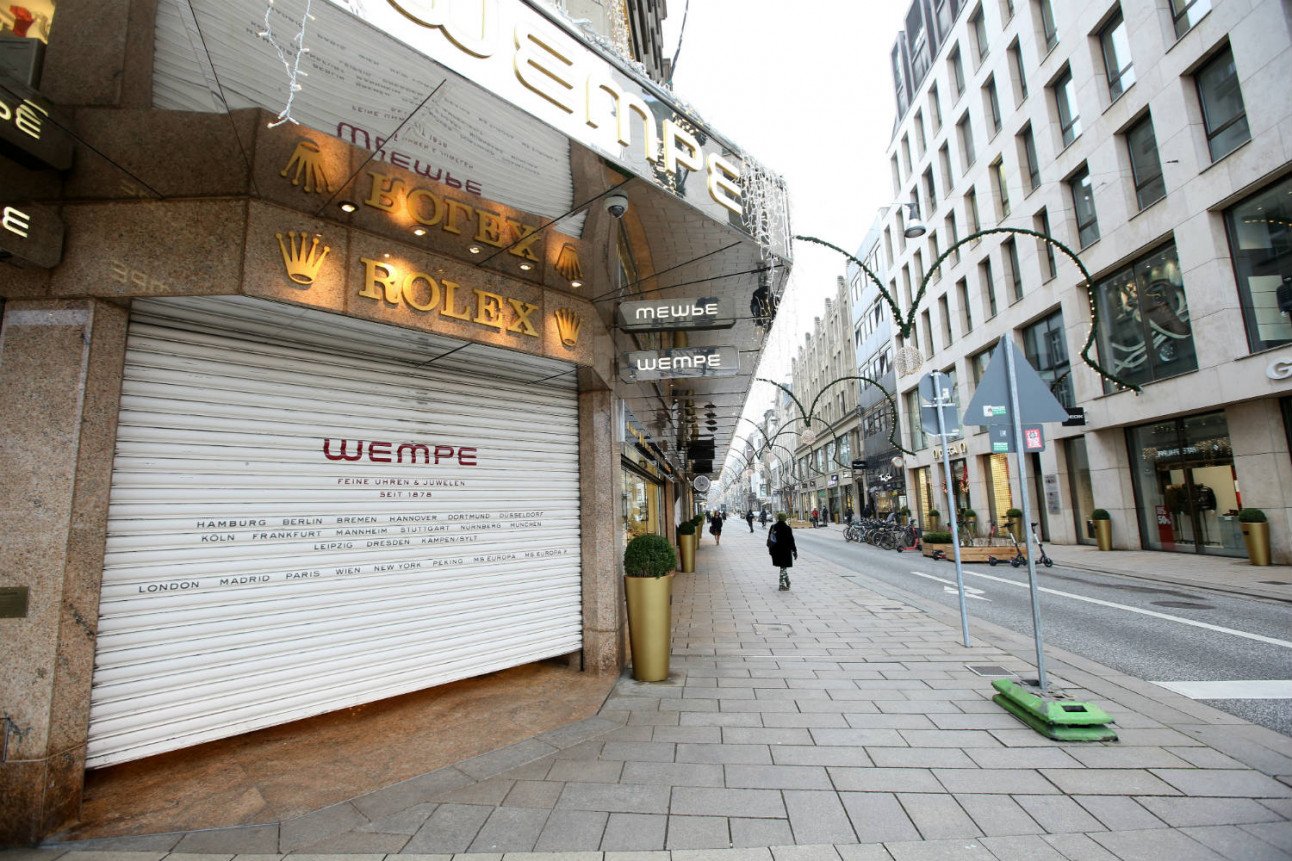
Hamburg's retail-filled city centre was unusually empty on Wednesday. Photo: DPA
People are afraid of evening curfews evoking painful memories of Nazi and GDR pasts. A few German states have already imposed them. That’s got the Querdenker (or ‘lateral thinker’) movement raging.
It is planning a protest in the eastern city of Leipzig, in Germany’s worst-affected state of Saxony, on Saturday. A November protest in Leipzig attracted about 20,000 people, many of whom were not wearing masks nor social distancing.
Above all this, there is a sinking feeling of guilt. Perhaps that’s why everyone’s being so hard on each other. For breezing through the dog days of summer, letting our guards down at open-air parties, parks and beer gardens. Relishing praise of Germany’s smart handling of the first wave, basking in that freedom. Did we get too cocky?
READ ALSO: Germany's tougher lockdown rules are the right move - but should they have come sooner?
Should politicians have put restrictions in place sooner? In September, the media reported that German Chancellor Angela Merkel warned her party that infections could hit 19,000 per day by late December. At that time, she was criticized as being alarmist. But Germany is way past that number now, setting a record of 30,000 new infections on Thursday.
At a time when compassion is needed the most, it’s become more difficult than ever to understand each other. Of hairdressers and Facebook message threads as we set about this new lockdown, perhaps the best anyone can do is to remember the most German of proverbs: “Kleinvieh macht auch Mist (Small animals also poop).”
A little bit can add up a lot.
Comments