

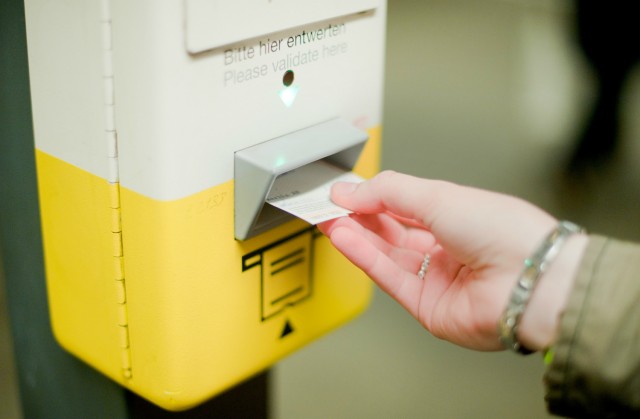
 A ticket validation machine. Photo: DPA
Even if you’ve bought a ticket, don’t forget to stamp it at any of the machines marked “bitte entwerten” on the platforms, otherwise it will be deemed “ungültig” (invalid) and you will be hit with a hefty fine.
In 2019, a massive 229,000 people were fined for “Schwarzfahren” (travelling without a valid ticket) in Berlin alone, so make sure you have a valid, stamped ticket when you hear that ominous call “Die Fahrscheine, bitte!”
2. Crossing the road when there’s a red man
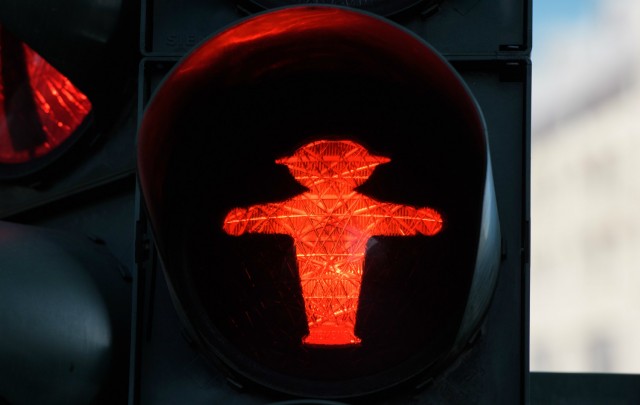 A red man indicating that pedestrians should not cross the road. Photo: DPA
Although you often see Londoners disobeying the red man and crossing the road in a defiant challenge to oncoming cars, jaywalking is considered an offence in Germany.
Yep, it's another thing that you could be fined for, so waiting for that green man is definitely a good idea.
Even in the most hectic of rush hours, when people are dashing to get to work, it is a bizarre yet common sight to see people stop and wait patiently on one side of the street for the green man to glow.
Unsuspecting foreigners like me who are prone to disregarding the traffic lights can expect to be reprimanded with "Den Kindern ein Vorbild!", warning them to set a good example to children.
READ ALSO: Is it ever acceptable to cross the road at a red light in Germany?
3. Wandering into the bike lane
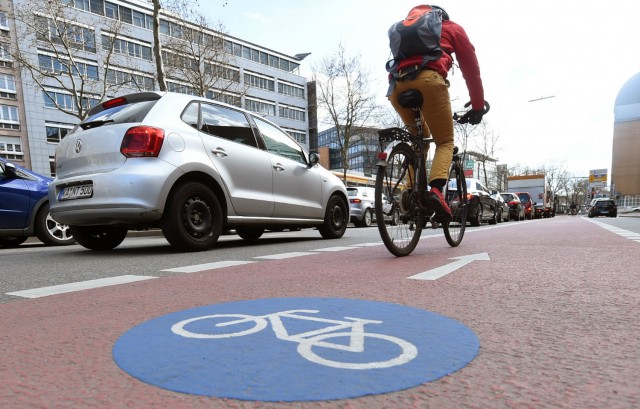 A cycle lane in Karlsruhe, Baden-Württemberg. Photo: DPA
Once you’ve successfully negotiated crossing the road, don’t march straight into the bike lane on the other side!
Some of the cycle paths are coloured red to make them blindingly obvious to even the most inept of newbies.
On my very first day here in Germany, I managed to step unwittingly into a bike lane, only to be met with the sound of brakes being slammed on and an angry cyclist shouting at me. Don’t be that guy.
4. Thinking that shops are open 24/7
 A shopping basket. Photo: DPA
Forgotten to buy milk for your Sunday morning coffee? Americano it is, then.
Got the munchies mid-Sunday afternoon? Tough luck.
During my first weekend in Berlin, I brilliantly forgot the crucial fact that shops are shut on Sundays, and so I had cereal for breakfast, lunch and dinner. Bye-bye 5-a-day.
Keep in mind that most shops are not open on Sunday as it's supposed to be a day of rest. They also don't generally open on public holidays. Stock up on your essentials beforehand.
Or, if you can stomach it, prepare to wait in long queues at the few supermarkets that are open on these days, which usually include the ones at large train stations.
5. Using the wrong form of address
 File Photo: DPA
“Duzen” and “Siezen” is a minefield for German learners.
Going into a shop and addressing the shopkeeper with the informal “du” is a big no-no.
If you’re unsure, your best bet is to address people with the more formal “Sie” unless they explicitly tell you that you can use “du” to speak to them.
READ ALSO: To du or not to du: How to crack one of Germany's most tricky etiquette dilemmas
6. Not having cash in restaurants
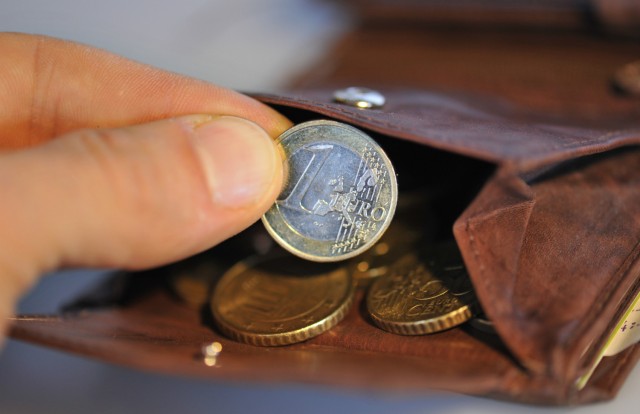 Euros in a purse. Photo: DPA
While most shops and restaurants in the UK or America will take card payments, in Germany it’s relatively uncommon to be able to pay by card.
So to be on the safe side, it’s a good idea to carry a bit of cash with you wherever you go. But watch out again. ATMs are often inside banks, meaning at night you can't get to them and you'll have to pay a charge to use a private one in a shop!
READ ALSO:
- 7 things the Covid crisis taught us about Germany
- ‘They thought it was witchcraft’: The verdict on paying with card in Germany
7. Being offended by German directness
 Two men shake hands at an office in Berlin. Photo: DPA
Although the phrases “how are you?” and “how was your day?” are thrown around like there’s no tomorrow in Britain, it’s a different story in Germany, where a simple “Guten Tag” and a handshake will usually do.
If you’re as deeply British as me, beaming at everyone you meet and apologising profusely for the tiniest of mistakes, don’t be put off if you’re met with an unsmiling stare, or if people don’t rush to greet you effusively.
Here you’ll find that people avoid small talk and get straight to the point.
In Berlin, you might also encounter the famous “Berliner Schnauze” slang which is often quite outspoken and blunt. For example, if you don’t shut the door in a shop, the shopkeeper might shout: “Biste in der S-Bahn geboren oder was?” (“were you born on the train or what?”)
8. Arriving late and not apologising
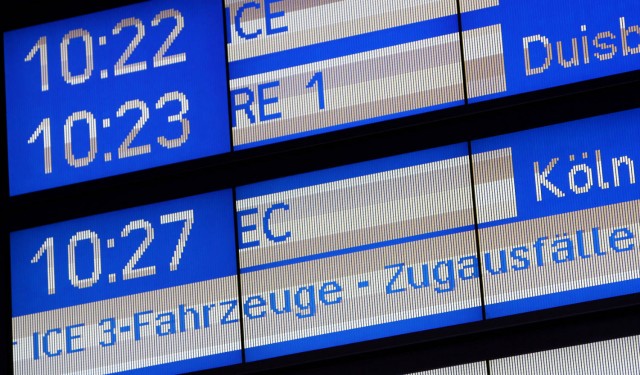
A train departure board in Düsseldorf main station. Photo: DPA
Germans are notorious for being sticklers for punctuality.
Speaking as a South Londoner, where the probability of a train arriving on time is next to nothing, the concept of German timeliness and efficiency is a far-off dream.
Try to arrive 5 or 10 minutes early when you’ve arranged to meet someone. If you’re going to be late, text or call to explain why.
READ MORE: 15 timely phrases that prove Germans are all about punctuality
9. Not separating the rubbish
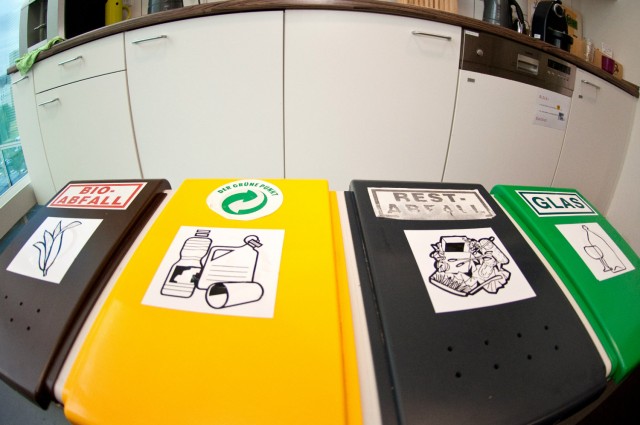
German recycling bins. Photo: DPA
If you’re anything like me, your German teachers will have drummed the phrase “ich trenne den Müll” into you until you could say it standing on your head.
But you seriously doubted you’d ever need that thrilling piece of vocab - well, think again!
Bunging all your rubbish into the general waste bin is not a good plan and could get you fined. Instead, try to separate your trash into recycling, bio rubbish, glass, and anything else.
You'll fit right in with your eco-warrior neighbours in no time at all.
10. Being fazed by the Freikörperkultur (FKK, or public nudity)
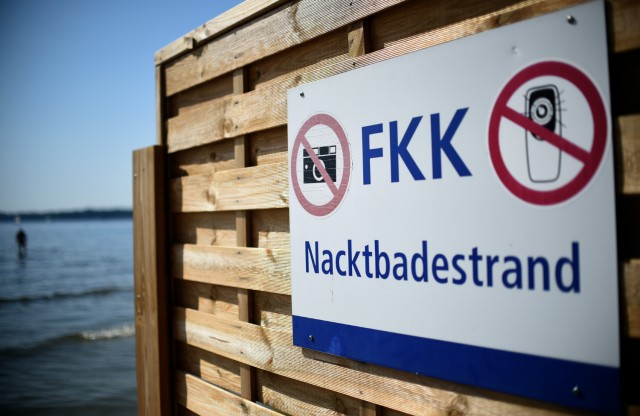
A sign for a nudist beach in Berlin. Photo: DPA
For the most part, Germans have a much more liberal attitude to getting naked on public beaches than people from other countries.
Don’t be surprised when you see people of all ages stripping off on a beach or beside a lake where there’s a sign marked FKK - people won't bat an eyelid at it here.
WATCH: Why do Germans love getting naked?
By Verity Middleton
Comments (3)