
Why do I need to know Wunschzettel?
Because this German word refers to a common Weihnachtsbrauch - or Christmas tradition - that has become an indespensible part of the festive season for many families in Germany.
However, you'll also come across this word in other contexts - most commonly while shopping online.
What does it mean?
Der Wunschzettel (pronounced like this) means “the wishlist": a traditional list of desired gifts that children - and also many adults - make in the run-up to Christmas.
While children tend to send theirs off in a letter to Father Christmas or the Weihnachtsmann, adults might compile one of these to help their loved ones figure out what to get them.
In Germany, creating the Wunschzettel is a precursor to the tradition of Bescherung, when people gather around the Christmas tree to unwrap gifts on December 24th.
READ ALSO: German word of the day - Die Bescherung
Where does it come from?
The oldest wishlists found in Germany date back to the first quarter of the 18th century. Early Christmas wish lists were not actually requests for what children wanted for Christmas.
Instead, they were letters of gratitude from children addressed to the adults in their lives. This was an especially popular practice among the Protestant North-German upper class.
Over time, department stores and toy companies realised the power of the wishlist as a marketing tool and simplified the process for children by producing lists of available products whereby children simply had to check off what they wanted for Christmas.
Still, during war times, many children added a request for peace to their wishes, as well as dolls, toy soldiers, and other popular items. Today, children around the world carry on the tradition of writing a letter to Santa Claus (or the Christkind) to say what they want for Christmas.
In Germany, he often replies.
READ ALSO: German Advent word of the day: Das Christkind
Where do children send them?
In 1984, two children from Berlin and one from Saxony wrote letters to addressed to Santa Claus in Himmelpfort, a Lower Saxon town which translates to “Heaven’s gate.” The letters were answered by some kind postal workers who didn’t want to send them back without an answer.
Word got around that Santa would respond to letters addressed to him in Himmelpfort. The next year, the post office received 75 letters addressed to Santa.
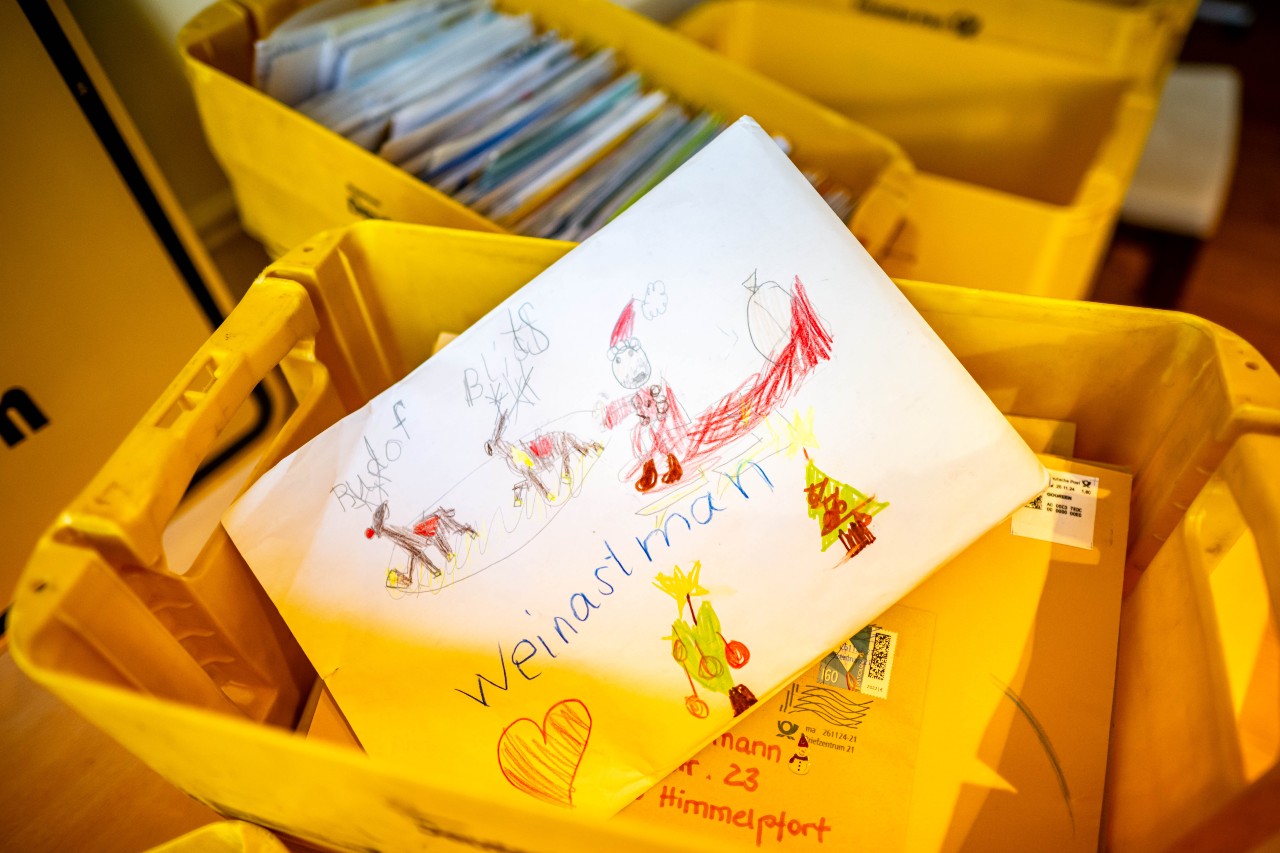
Today, the Deutsche Post has seven locations across Germany where children can send letters to Der Christkind, St. Nikolas, or Der Weihnachtsmann (Santa Claus). They are guaranteed an answer as long as the letter arrives by the second Sunday in Advent.
The Deutsche Post has since found some additional helpers for Santa to make sure that all the children get an answer. Last year, Santa and his helpers responded to over 50,000 letters from children all over the world.
Use it like this:
Wenn du einen Wunschzettel an den Weihnachtsmann senden möchtest, verwendest du diese Adresse: An den Weihnachtsmann, Weihnachtspost, 16798 Himmelpfort, Deutschland.
If you’d like to send a wish list to Santa Claus, use this address: An den Weihnachtsmann, Weihnachtspost, 16798, Himmelpfort, Deutschland.
Ich finde es wunderbar, dass Kinder Wunschzettel an Himmelpfort schicken und Antworten zurückbekommen können.
I think it’s wonderful that children can send wish lists to Himmelpfort and get answers back.
Comments