

If you look up the translation of the word 'neighbourhood' you'll see Nachbarschaft, but this term is the more formal option.
Der Kiez, on the other hand is the term you'll hear more often on the streets of Berlin or Hamburg. It's perhaps comparable to the English slang term ‘hood’, i.e. a shorter abbreviated version laced with a significant amount of street cred.
Kiez is mainly used in large cities to describe urban neighbourhoods. The existence of a Kiez will normally be evidenced by a community-style vibe, with some considering the term to mean a village within a larger city.
What's considered part of a Kiez will usually be a much narrower geographical area than what most English speakers would define as a neighbourhood, sometimes only spanning a few streets.
It’s also commonly used as a suffix for the names of popular neighbourhoods based around a street or landmark.
Gräfekiez, in Berlin’s Kreuzberg, is an example of this, describing the streets and canal immediately surrounding Graefestraße.
In other cities, a neighbourhood can be so famous that it’s simply referred to as “the Kiez”. Hamburg’s infamous Reeperbahn is one such example.
If you tell your friends you’re off to “the Kiez”, they’ll know exactly where you’re headed.
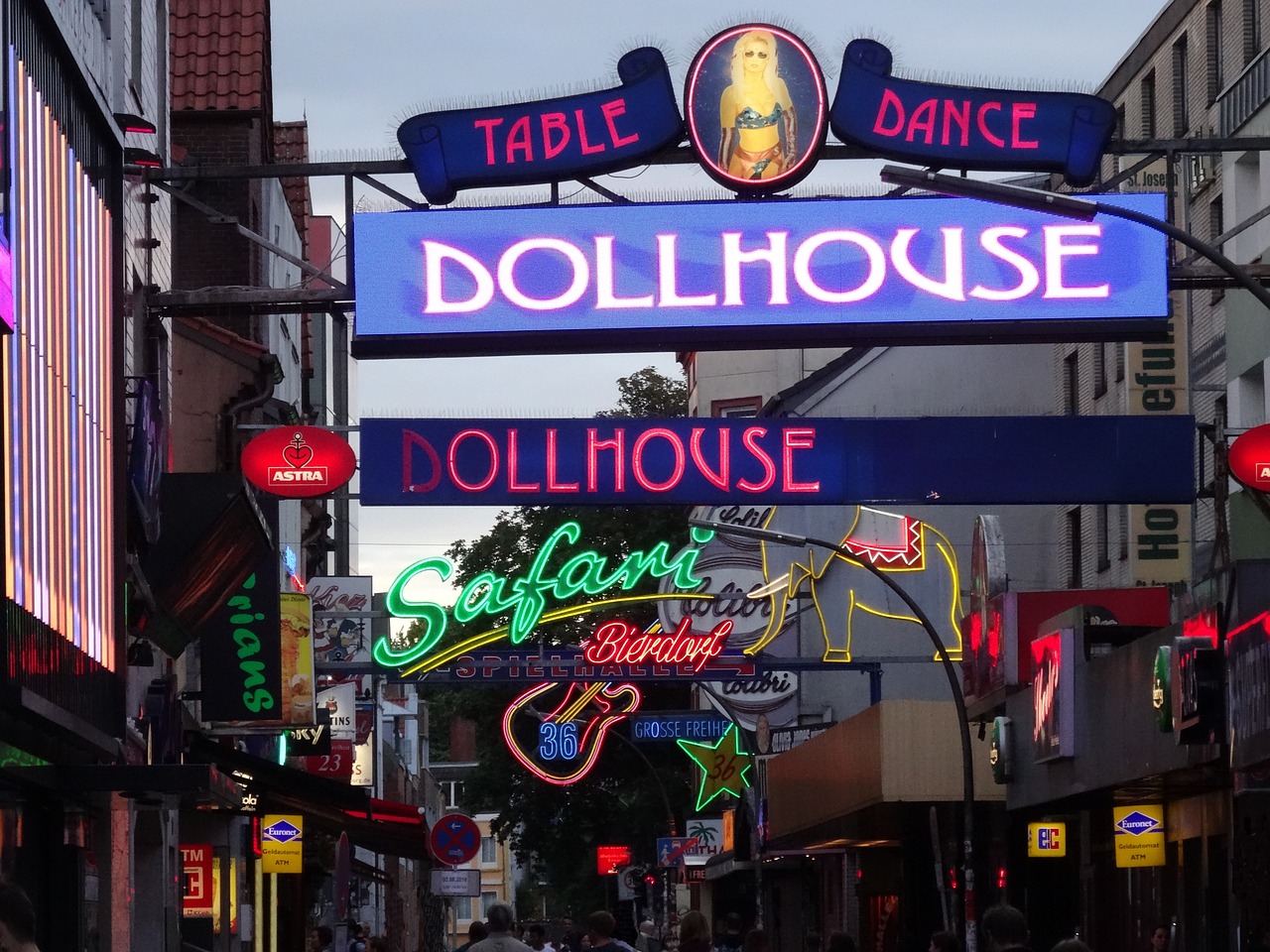
Given that Kiez is a colloquial term, it follows that it has limited official relevance - in most cases it has little to do with the administrative borders in a city.
There are some exceptions; Berlin’s Stephankiez is one such example - the construction of the Moabit neighbourhood was part of an official development plan that dates back to 1862.
Generally, part of the charm of a Kiez is that it has arisen organically, rather than at the whim of an administrative decision maker.
The term has also inevitably makes its way into the vocabulary of even non-German speakers who live in Berlin. For example, it's not uncommon to hear someone ask in English, "Which Kiez do you live in?"
History
Kiez derives from the Slavic word 'Kietz', which became commonly used in German during the eastern expansion of German speaking regions.
This originally referred to small townships and fishing villages, but over time the meaning changed slightly.
The legacy of the Slavic term can still be seen throughout some parts of Germany. Küstrin-Kietz, a community on the Polish border, is one such example.
Regional variations
Kiez is most commonly used in Berlin, although it’s also popular in other urban parts of northern and eastern Germany.
Although the word is rarely used outside of these areas, it is comparable with similar descriptors in other German-speaking regions.
In Cologne, for example, a Kiez is instead called a Veedel - while in Vienna the word Grätzl is used.
Know your Kiez
der Kiez (Hamburg’s Reeperbahn): Perhaps Germany’s most famous street, the Reeperbahn is known for beer, bordellos and The Beatles.
Bergmannkiez: An upmarket Kiez in Berlin’s Kreuzberg district, Bergmannkiez has developed a reputation as being among the neighbourhoods you - and your family - move to when the party’s over.
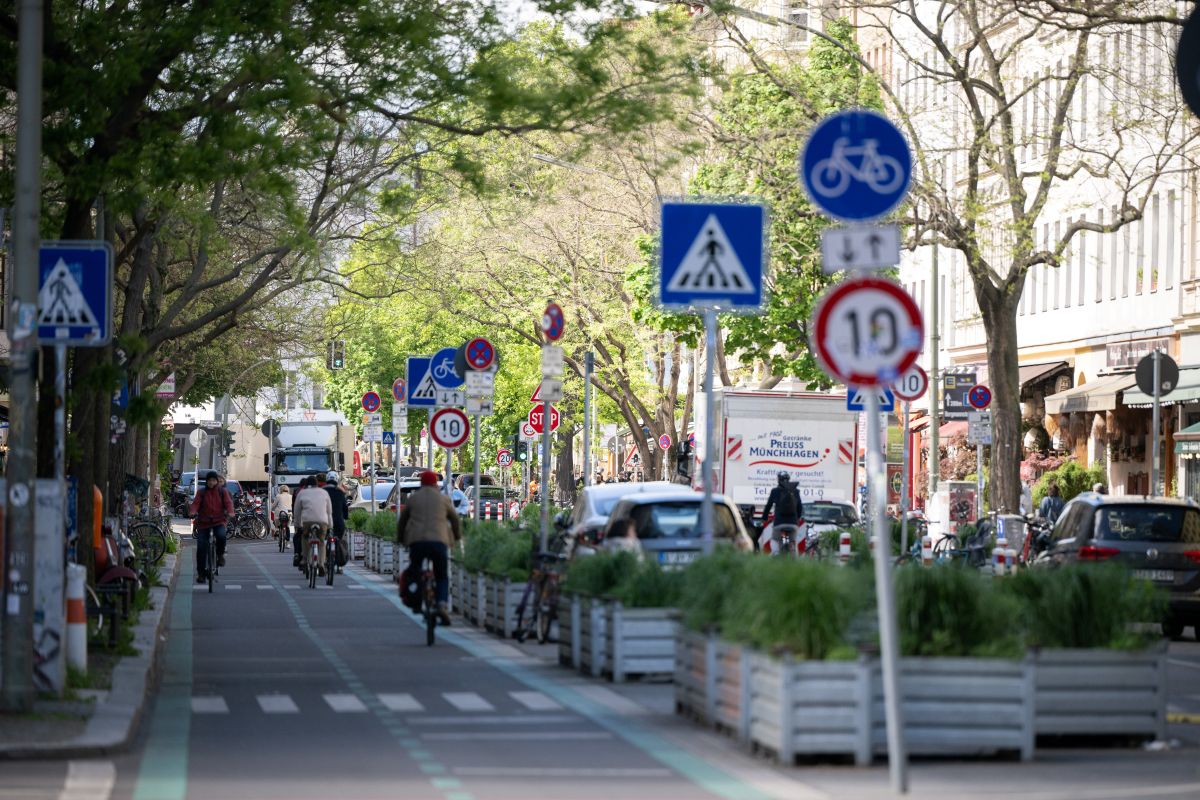
Schillerkiez: Formerly a tad on the gritty side, Berlin’s Schillerkiez is now home to a diverse range of music venues, bars and restaurants - along with a few celebrity residents.
Use it like this:
Meine Band hat einen Auftritt im Schillerkiez.
My band has a gig in Schillerkiez.
Mein Mann und ich haben eine Altbau Wohnung in Bergmannkiez gekauft.
My husband and I bought an Altbau apartment in Bergmankiez.
Wollen wir heute Abend auf'n Kiez gehen? Ich geb' in der Eckkneipe beim Fischmarkt einen aus.
Do we want to go to the Reeperbahn tonight? I’ll buy you a beer from the bar by the Fish Market.
Comments