

Hüftgold
Credit: depositphotos/Buurserstraat38
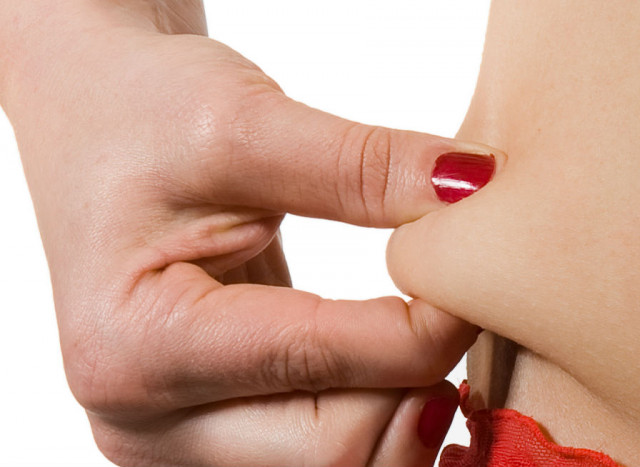
Let’s face it. Between juggling a family, career and other joys/stresses of daily life, many of us in our 30s put on a few extra kilos compared to what we had in our 20s. Sometimes we in turn develop - or form bigger - Hüftgold, or hip gold.
These love handles are also dubbed Hüftspeck, or hip bacon. Of course, some of us attempt our first Ironman in these Hüftgold-en years, but others are more inclined to grab a bite on the go as we decide we're a bit too tired to make it to the gym tonight.
Die Gretchenfrage

Credit: depositphotos/Anastasios71
This compound word dates back to Goethe’s Faust of 1808, in which the character Gretchen asks the protagonist, who is secretly collaborating with the devil, “Wie hast du’s mit der Religion?” (What's your take on religion?). In German, the word now means any question that gets to the core of an issue, usually with an answer we don't quite want to hear. In our 30s, when figuring out what we really want out of life, sometimes this is the question to ask.
Schnurzpiepegal

Credit: Desposit Photos/kues
While some of us in our 30s are philosophically posing the fundamental questions of existence, others just don’t care anymore. They don’t sweat the small stuff, and for anything gone awry might mutter a “Das ist mir schnurzpiepegal” (That doesn’t matter to me) or the even less literary “Das ist mir scheißegal.”
Geborgenheit
Credit: Deposit Photos/Asenovko
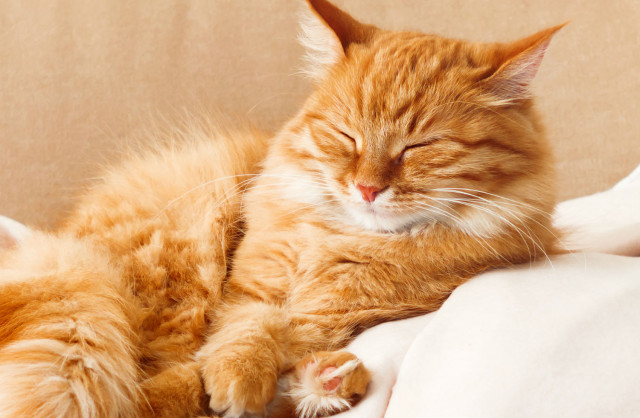
Many of us in our 30s are past the days of all-night partying or staying up to take a budget flight at the crack of dawn. We feel less shame than our FOMO (fear of missing out) 20-something counterparts, and are more content to relax on a Friday with a book - or Netflix - than hit the bars. We like that feeling of security and comfort, loosely translated as Geborgenheit. It's very similar to its sister word gemütlich but also captures the feeling of being cared for.
Torschlusspanik

Credit: depositphotos/kiriak09
Also applicable to your 20s, this “gate closing panic” applies to many in our 30s worried that we haven’t yet found that person to tie the knot with or no longer have the chance to change careers or locations. It’s also commonly used for women who can hear their biological clocks ticking.
Freizeit

Credit: depsotphoto/baranq
People tend to appreciate their precious free time more when they have less of it, as is often the case in our fourth decade. Often juggling a job Vollzeit and a handful of other responsibilities, Freizeit is a cherished and often scarce resource. But 30-somethings - learning from their 20s - often have a better idea of how they like to spend it.
Weltschmerz

Credit: depositphotos/shock
Filled with youthful optimism, many of us once had an idealized vision of the world. Upon getting older, some of us become a tad more cynical. They see rising coronavirus cases in the news, or the ever-rising rent prices in Berlin. There is an ache that the world can’t be better or simpler like in the good ‘ol days (whenever they were).
Familienplanung
Credit: depositphotos/Siphotography
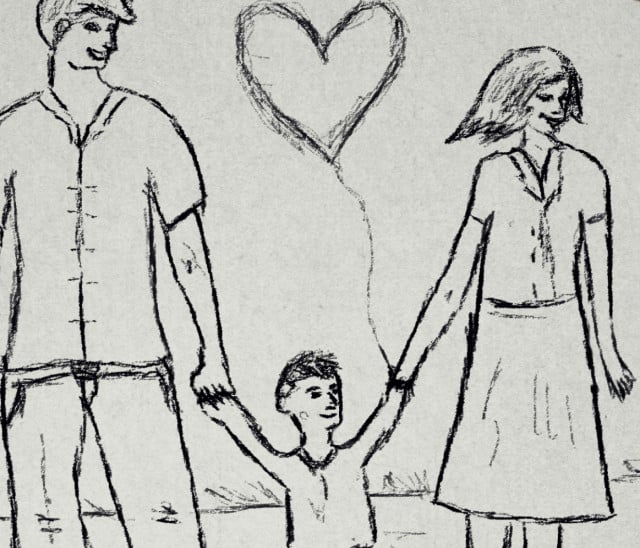
Last year it was announced that Germany had the highest birth rate since reunification. Like many Western European countries, German women are bringing their first child into the world at an average age of around 30, with that number reaching 35 for German men.
Needless to say, planning for (or in some cases against) a family is a theme many in Germany - locals and foreigners alike - deal with for the first time in their thirties.
Zugzwang

Credit: depositphotos/TarasMalyarevich
Originally used just by chess players, this word more broadly means feeling under intense pressure to make a move, even when they would prefer to do nothing because the move comes at a disadvantage.
In our 30s, we sometimes find we can’t avoid big life decisions anymore, or simply have to pay that pile of bills on the deadline day when we would rather be planning our holiday to Italy.